Kenyan Industrial Dynamics
The Logistics Engine of East Africa: Infrastructure, Corridors, and Tractor Fleet Demand
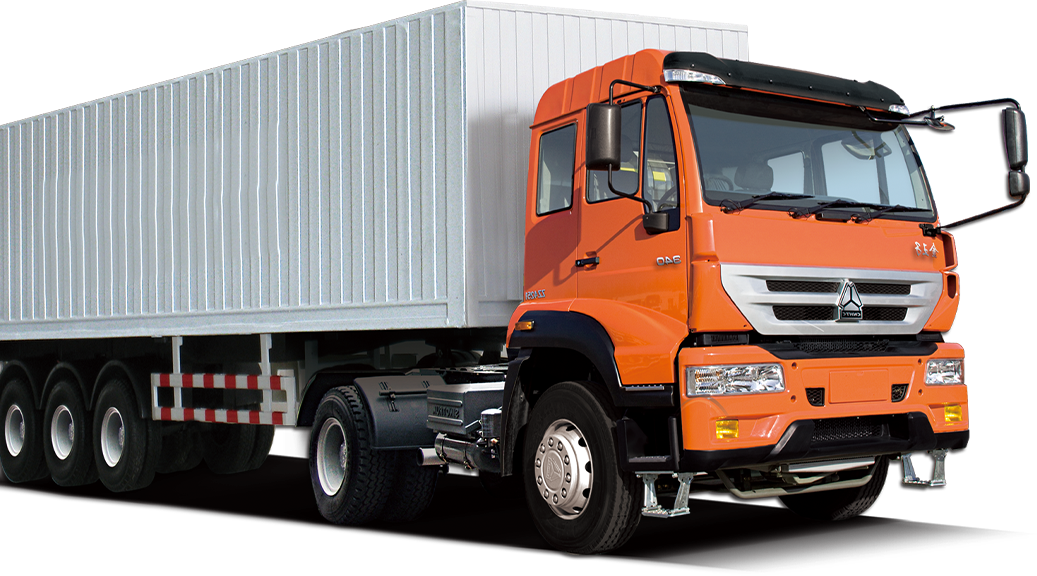
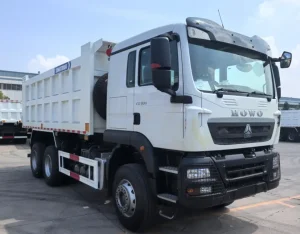
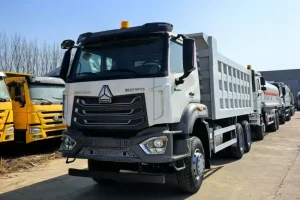
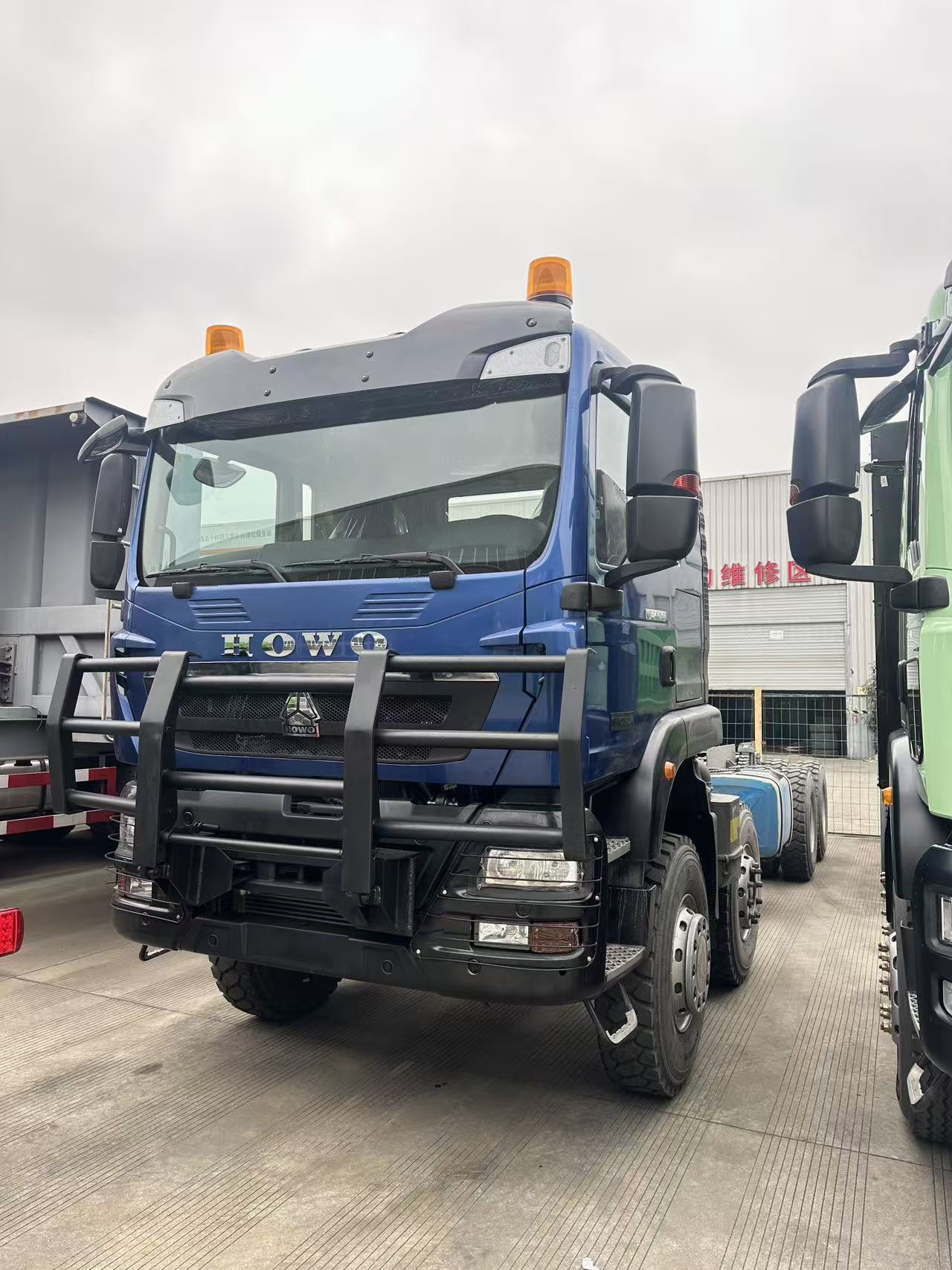
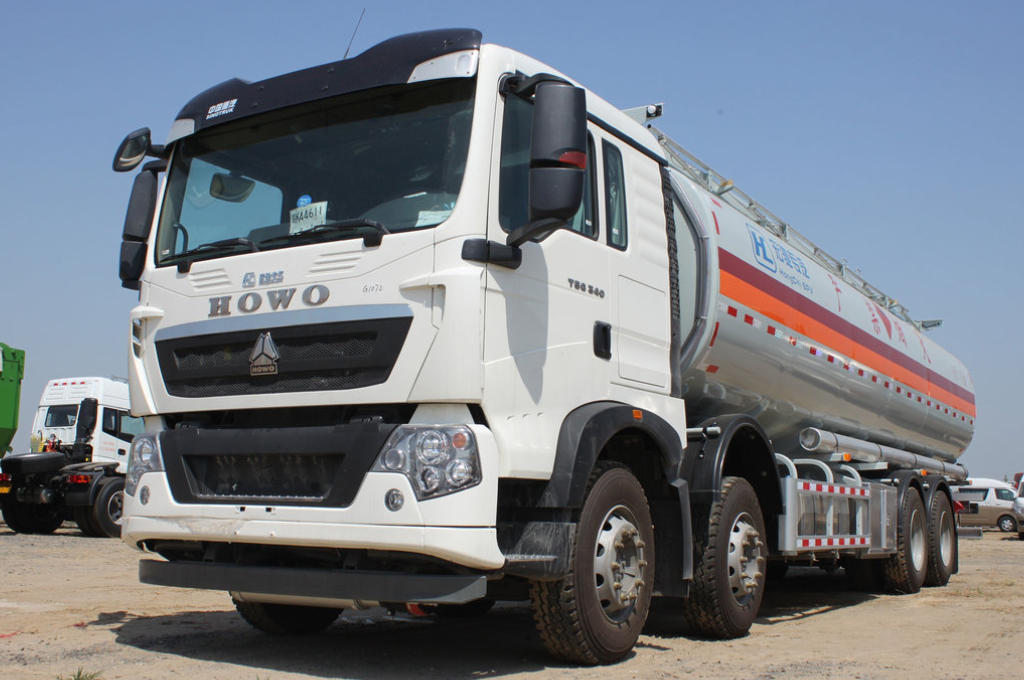
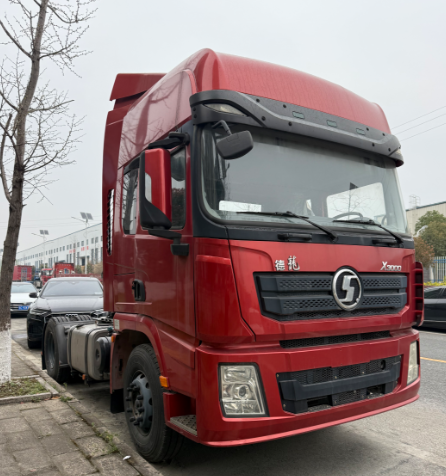
Kenya is strategically positioned as the primary entry point for trade into East and Central Africa. The Port of Mombasa serves as the ocean gateway, handling cargo destined not only for Kenya’s interior but also for landlocked neighboring countries like Uganda, Rwanda, South Sudan, and the Democratic Republic of Congo. The primary transport route, the Northern Corridor, relies heavily on durable road freight infrastructure, making heavy-duty tractor trucks the backbone of regional trade.
Over the last decade, Kenya has seen massive infrastructure developments, including the expansion of the Mombasa-Nairobi Highway and the establishment of local inland container depots (ICDs). Despite the development of the Standard Gauge Railway (SGR), road transport continues to carry over 70% of cargo due to the final-mile flexibility it offers. Heavy logistics companies require resilient 6x4 and 4x2 tractor setups to transport wet cargo (petroleum products), bulk agricultural goods (tea, coffee, and fresh horticulture), and heavy construction machinery across high-altitude paths.
Strict Regulatory Landscapes: KeNHA Axle Load Controls & KeBS Guidelines
Navigating Kenya’s shipping environment requires total compliance with the Kenya National Highways Authority (KeNHA) regulations. To protect national roads, KeNHA enforces strict axle load limits using static and virtual weighbridges along major routes. Exporters must configure tractor heads that distribute weight optimally, utilizing advanced multi-axle leaf spring suspensions and balanced fifth-wheel heights. Every tractor imported must also align with the Kenya Bureau of Standards (KeBS) regulations, such as the KS1515 standard, which specifies imports must be Right-Hand Drive (RHD) and satisfy rigorous environmental emission thresholds.