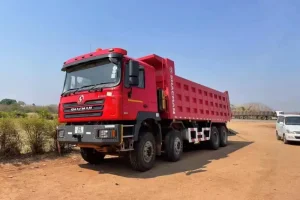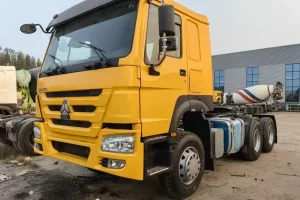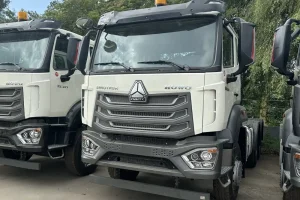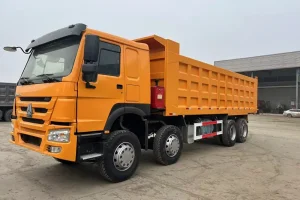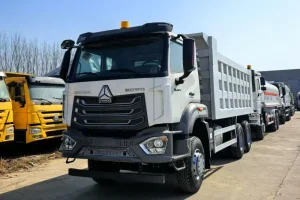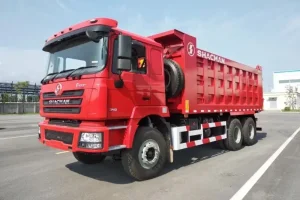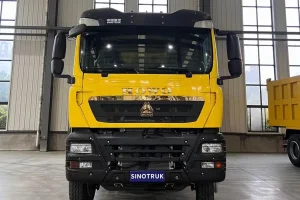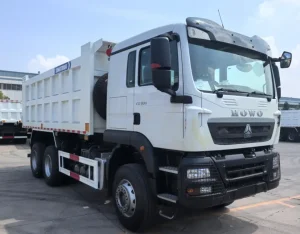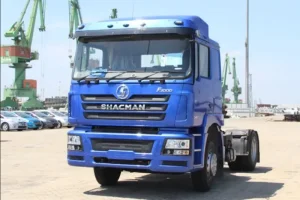
Top-tier heavy-duty commercial vehicles built for maximum efficiency in trans-border operations.
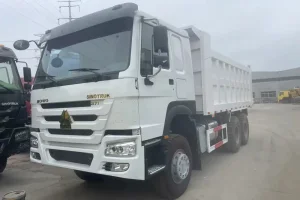
Deep-dive evaluation of commercial transport dynamics, localized infrastructure growth, and global manufacturing advantages.
Tijuana stands as one of North America's most dynamic manufacturing and logistical epicenters. Strategically situated on the border with California, it acts as a critical nexus for maquiladora operations, industrial park expansions, and massive civil construction initiatives. The heavy logistics ecosystem in Tijuana requires exceptionally durable dump trucks capable of navigating rigorous urban-to-industrial routes, handling high-density aggregate hauling, and enduring continuous duty cycles under heavy payloads.
With ongoing regional developments in commercial real estate, highway infrastructure, and cross-border freight terminals, construction contractors and fleet operators in Baja California are shifting away from short-lifespan legacy equipment. They now demand high-performance, cost-efficient, and technologically superior heavy vehicles that guarantee maximum uptime and minimal total cost of ownership (TCO).
Chinese commercial vehicle manufacturing—led by automotive powerhouses like Sinotruk (HOWO) and Shacman—has achieved global technological dominance through advanced automation, rigorous metallurgy testing, and massive economies of scale. Direct factory sourcing allows global partners in Tijuana and Latin America to bypass middlemen, securing customized configurations tailored precisely to localized emission standards, payload requirements, and terrain demands.
Key advantages include heavy-duty reinforced chassis design, high-torque fuel-efficient engines (such as Weichai and MAN-derived power systems), intelligent thermal management, and robust multi-leaf spring suspensions. These engineering milestones ensure that Chinese dump trucks deliver superior gradeability and structural integrity, outperforming traditional competitors in intense quarrying, mining support, and heavy urban civil projects.
Modern international procurement executives demand transparent supply chains, guaranteed compliance with regional safety frameworks, and comprehensive after-sales support ecosystems. When sourcing for markets like Tijuana, enterprise buyers prioritize modular customization—such as Left-Hand Drive (LHD) configurations, specialized tipper box capacities, and reinforced wear-resistant steel plates (e.g., Hardox-equivalent alloys).
Furthermore, digital fleet integration is rapidly becoming a standard purchasing criterion. Fleet managers look for real-time telematics compatibility, predictive maintenance analytics, and readily available modular spare parts inventories to ensure continuous operation across critical trans-border supply routes.
Buyers must verify compliance with local emission standards (such as Euro III/IV/V equivalents or EPA standards where applicable), select appropriate drive configurations (6x4 or 8x4) based on local road regulations, and partner with certified manufacturers offering comprehensive spare parts backup and warranty support.
Yes. These vehicles are engineered specifically for extreme overload conditions, rugged mountainous terrains, and high-frequency construction cycles. Their high-torque engines and reinforced frames provide exceptional durability in demanding environments.
Factory-direct orders typically undergo rigorous pre-delivery inspection (PDI) and are shipped via major international Ro-Ro (Roll-on/Roll-off) or container vessels from primary Chinese ports to regional Pacific and Gulf ports, with standard logistics tracking provided throughout the transit.
Comprehensive inventory of specialized dump trucks, tractor heads, and heavy transport equipment.