
Industrial Whitepaper: The Heavy Duty Fleet Landscape in Nigeria
Authoritative analysis of logistics infrastructure, supply chain models, and engineering requirements in West Africa's largest economy.
Nigeria's massive infrastructure push, rapid urbanization, and rich natural resources require a robust and reliable logistics ecosystem. Dump trucks, or tippers, are critical for moving aggregates, sand, iron ore, coal, and asphalt. They are essential for projects like the Lekki Free Trade Zone, the Lagos-Ibadan Expressway overhaul, and regional mining operations in states like Plateau, Kogi, and Nasarawa. This whitepaper analyzes the mechanical, financial, and strategic elements that govern dump truck purchasing, maintenance, and operation in Nigeria.
“Operational efficiency in West Africa’s harsh operating environments is not merely a product of engine horsepower; it is defined by chassis resilience, the cooling efficiency of tropicalized radiators, and the continuous availability of genuine spare parts.” — Heavy Machinery Logistics Insight, 2024.
1. The Nigerian Commercial and Industrial Landscape
Nigeria's economy relies heavily on dry bulk cargo transportation. Since rail freight is still developing, over 90% of all goods and raw materials are moved by road. This makes heavy-duty vehicles essential for the supply chain. In regions like Abuja and Lagos, continuous concrete pouring and road expansions require tippers that can run 24/7. In the Niger Delta and mining hubs, trucks face mud, loose sand, and steep inclines.
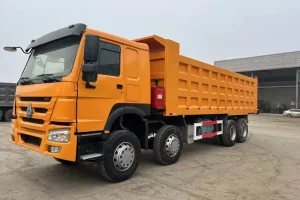
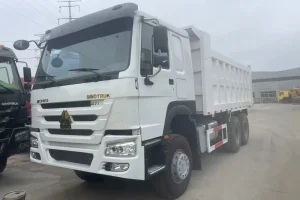
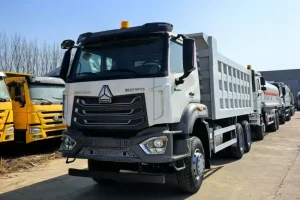
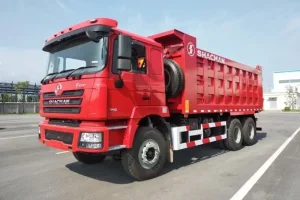
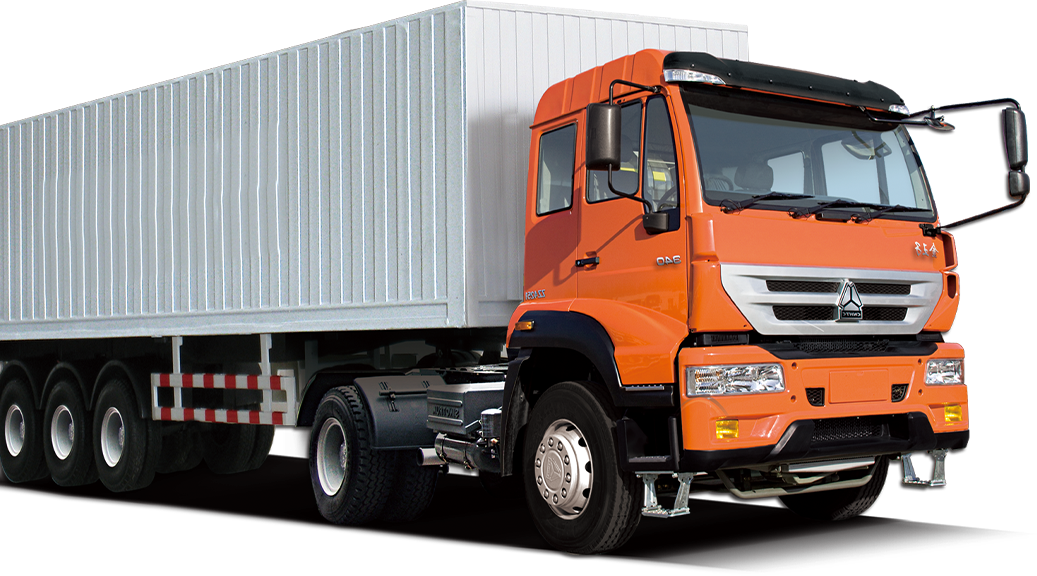
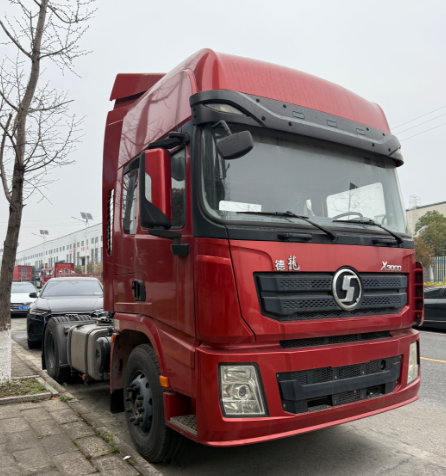
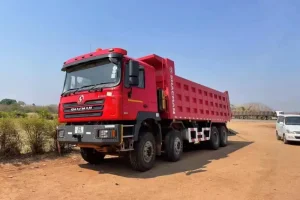
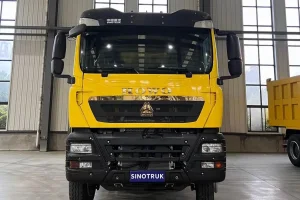
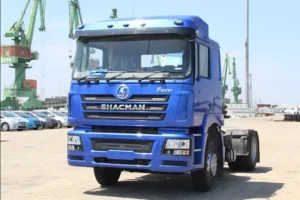
Purchasing managers in Nigeria look for a balance between modern technology and mechanical simplicity. Given the fuel quality variations across West Africa and the reliance on local workshops, electronic injection engines (Euro 5 or 6) are less practical than mechanically injected or simpler Euro 2 and Euro 3 engines. Models like the Sinotruk HOWO and Shacman F3000 are highly popular because they perform reliably under tough local conditions.
2. Global Heavy-Duty Vehicle Supply Chain Integration
The global heavy truck market has shifted toward Chinese heavy-duty vehicles, particularly in developing economies. Brand-new European imports often carry high capital costs and complex emission systems that are difficult to service locally. China-based manufacturers like Sinotruk and Shacman have designed models specifically for the African continent.
By using reliable drivetrains like Weichai engines, Fast transmissions, and Hande axles, these trucks match the performance of Western counterparts at a lower total cost of ownership (TCO). This makes heavy logistics profitable in volatile markets.
3. Localized Engineering Adaptations for Nigeria
Standard export trucks often run into issues if they are not customized for the local environment. Nigeria's hot climate and challenging roads require specific chassis modifications:
- Reinforced Chassis (Double Frame): Constant exposure to potholes and overloaded cargo can crack standard truck frames. High-tensile steel double frames (8+8mm or 8+5mm thick) provide the flexibility and strength needed for rough terrain.
- Heavy-Duty Multi-Leaf Springs: Upgraded front and rear suspension systems with more leaf springs help distribute weight evenly and prevent sag during heavy hauls.
- Enhanced Dual-Stage Air Filters: Dust from unpaved roads can quickly clog standard air filters, leading to engine wear. Oil-bath air filters extract dust before it reaches the combustion chamber, extending engine life.
- Large-Capacity Tropicalized Radiators: High ambient temperatures in regions like northern Nigeria can cause engines to overheat. Expanded-surface radiators and high-flow water pumps keep operating temperatures stable.
4. Technical Roadmap & Fleet Electrification Outlook
The global shift toward green energy is beginning to influence African logistics planners. Although diesel remains the main fuel in Nigeria, fleet operators are starting to explore compressed natural gas (CNG) and liquefied natural gas (LNG) alternatives, supported by the national push for gas utilization. Looking ahead, heavy-duty manufacturers are designing modular platforms that can transition from diesel to CNG and eventually to battery electric power for urban operations.
Over the next decade, digital fleet management will become standard. Telematics units help operators monitor fuel use, locate trucks via GPS, and receive real-time engine diagnostics. This reduces downtime and helps prevent fuel theft, which is a key concern for logistics companies in the region.


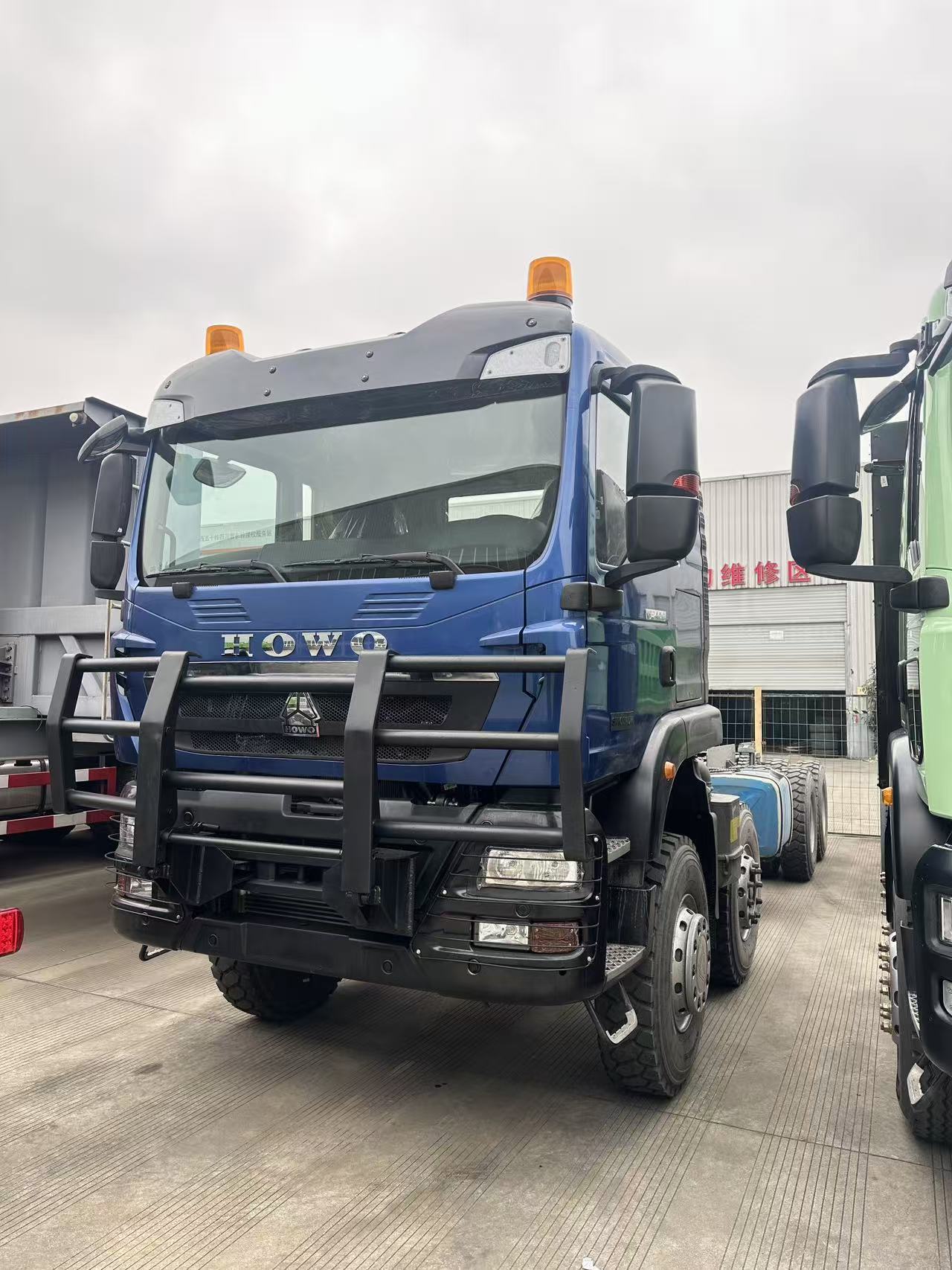
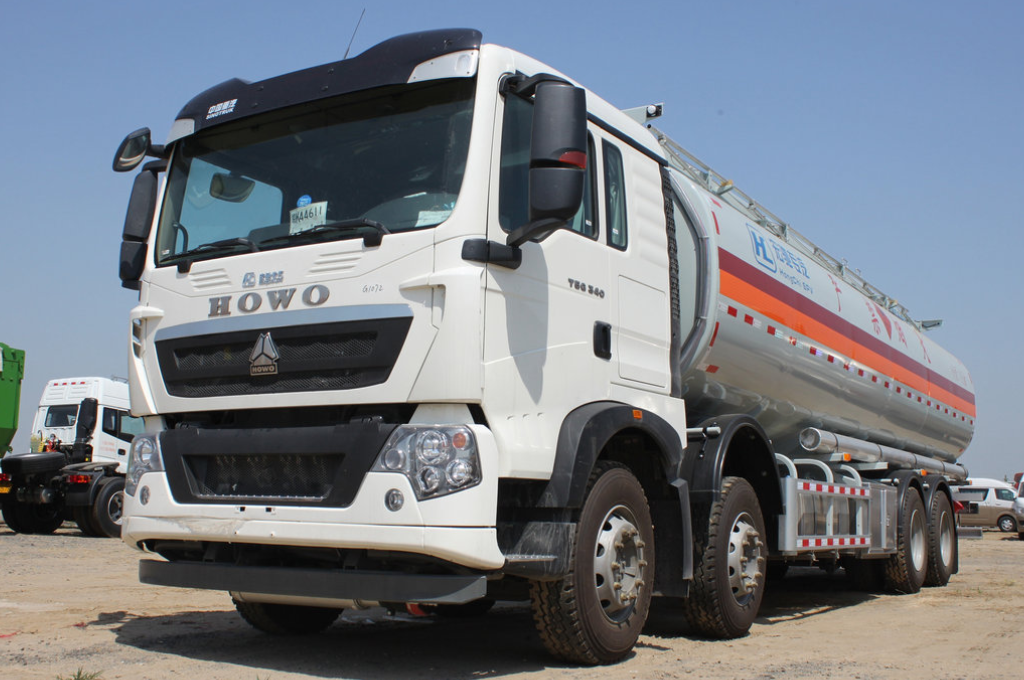




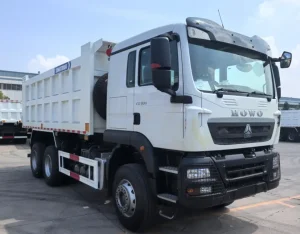
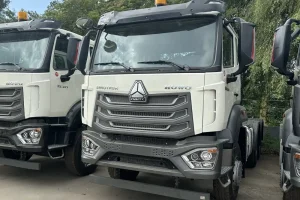
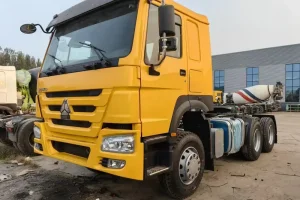
"Managing a logistics hub in Lagos, we need trucks that can handle continuous heavy loads and rough roads. These HOWO tippers have been highly reliable. The fuel economy and reinforced chassis have helped keep our operations profitable."
"Running aggregate hauls from Jos to Abuja requires strong torque for uphill climbs. The Shacman F3000 with the Weichai 380HP engine has delivered the power we need. It's mechanically straightforward and easy for our local mechanics to service."
"Our trucks run constantly in humid and muddy conditions. The double-frame chassis and upgraded leaf spring suspension have prevented frame issues, and the high-flow radiator has kept the engines from overheating."