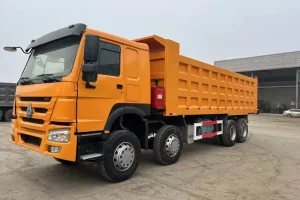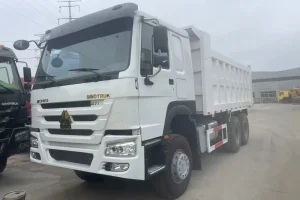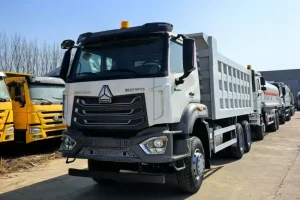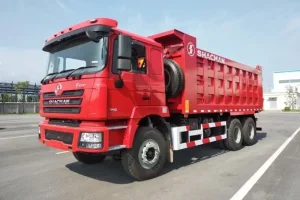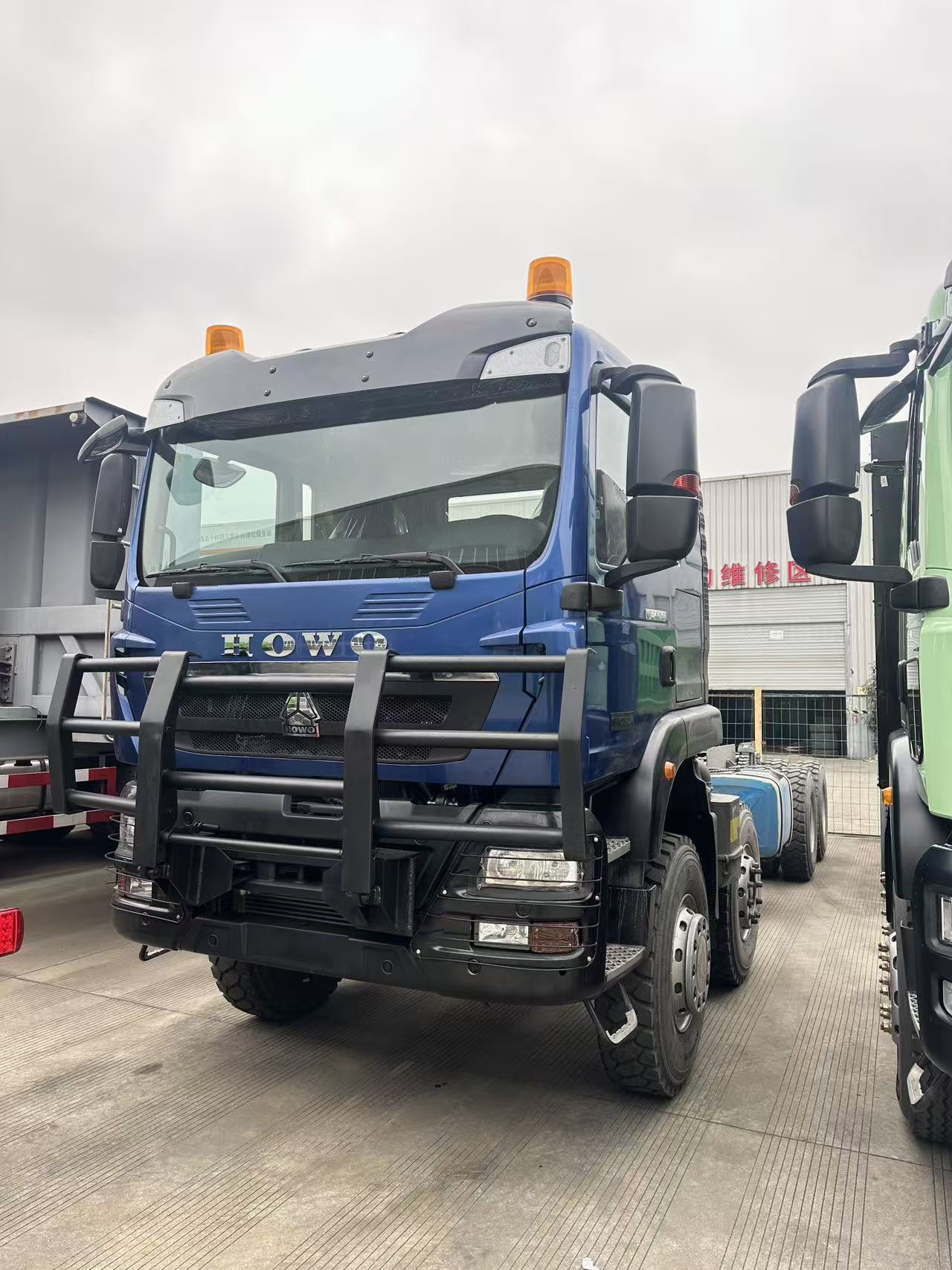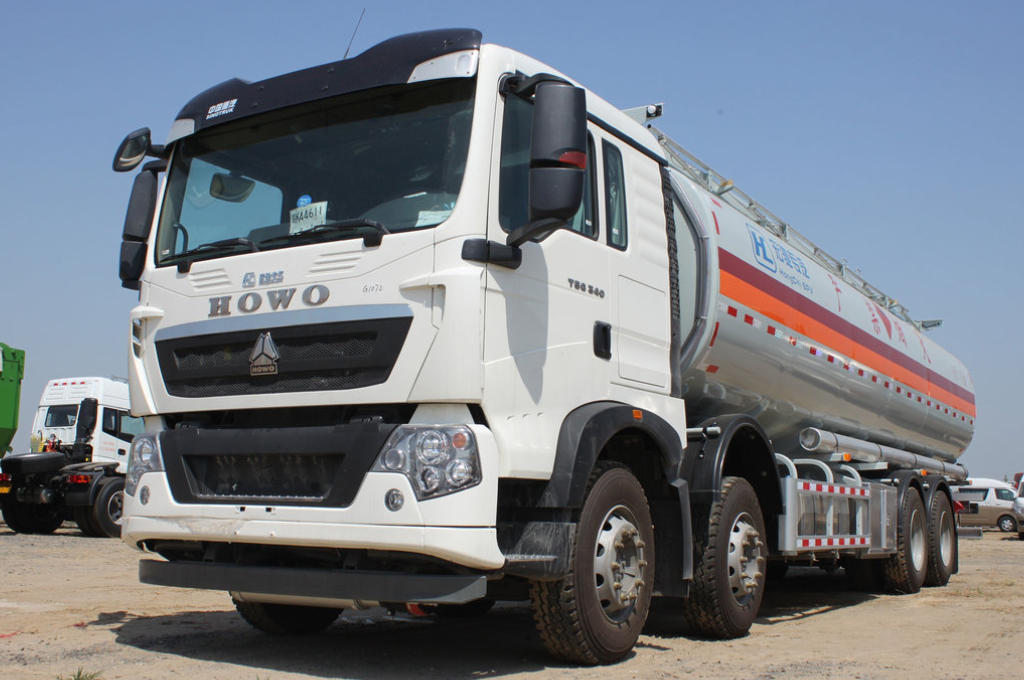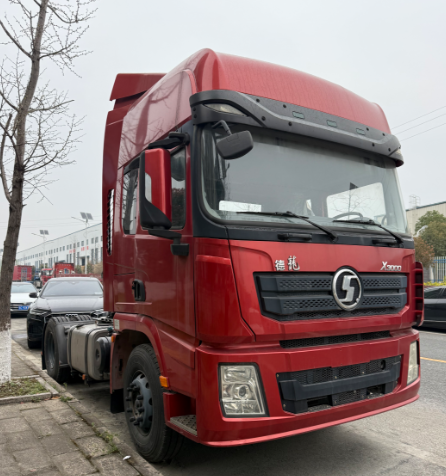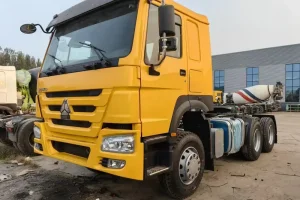
Engineered for high-volume hauling, urban excavation, and maximum structural payloads across Melbourne.
Melbourne, Victoria is currently undergoing one of the largest infrastructure transformations in the Southern Hemisphere. Major multi-billion-dollar initiatives, including the West Gate Tunnel Project, the North East Link, and the ongoing expansion of the Suburban Rail Loop (SRL), have generated unprecedented demand for heavy road transport. At the core of these operations are reliable, high-capacity tippers and dump trucks capable of moving millions of cubic meters of spoil, aggregates, rock, and contaminated waste safely and efficiently.
Operating a haulage business in Victoria requires strict adherence to regional heavy vehicle regulations. Under the National Heavy Vehicle Regulator (NHVR) and the local Victorian Department of Transport (DoT), heavy vehicles must meet stringent road safety and axle weight limits. The Performance-Based Standards (PBS) scheme has driven the adoption of highly customized, multi-axle configurations (such as 8x4 and 10x4 rigids and A-double tippers). These advanced designs allow fleet operators to transport higher payloads along approved routes without causing accelerated wear on municipal roads.
Quarry logistics are equally demanding. The volcanic basalt reserves in Melbourne's outer west (such as Werribee and Melton) and the sand resources in the southeast (Cranbourne and Langwarrin) supply critical base materials for local concrete batching and structural foundation work. Transporting these abrasive resources day-in and day-out requires dump trucks built with high-tensile steel bodies, reinforced sub-frames, and specialized double-acting hydraulic lifting cylinders that prevent roll-over risks during tipping on uneven terrain.
Across the international heavy transport market, procurement managers are facing a challenging landscape. Volatile material costs, semiconductor shortages, and rising interest rates have pushed the delivery lead times of traditional European and North American Tier 1 truck manufacturers to over 12 to 18 months. For civil contractors in Melbourne winning fast-tracked government tenders, such delays present significant project risks. This has accelerated a shift toward importing globally recognized, proven truck platforms manufactured in specialized Chinese facilities.
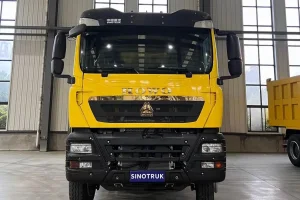
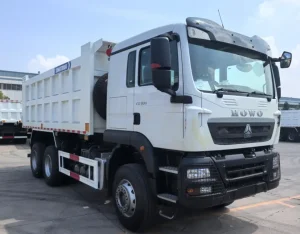
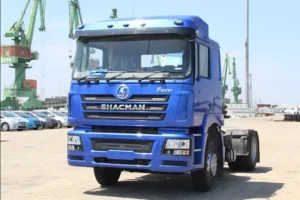
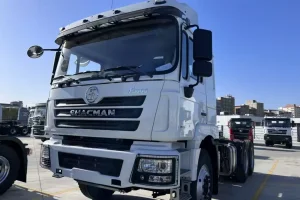
Modern fleets prioritize Total Cost of Ownership (TCO). This metric includes initial purchase price, fuel efficiency, parts availability, and maintenance costs. Leading Chinese commercial vehicle manufacturers, such as Sinotruk (HOWO series) and Shacman, have capitalized on this demand by exporting robust chassis configurations equipped with highly standardized components (such as Cummins, Weichai, Allison, and ZF gearboxes). This design philosophy ensures that Melbourne mechanics can easily service the drivelines using readily available domestic components, mitigating the risks traditionally associated with import brands.
An international heavy commercial vehicle supplier with direct links to China's leading manufacturing centers.
Originally founded in Sichuan Province, China, Deyang Hongkai Auto Trading Co., Ltd. began as a regional truck supplier before scaling into an export network. By maintaining strategic relationships with major manufacturing plants, we ensure that every chassis conforms to target-market standards, delivering structural reliability and cost advantages to operators worldwide.
Explore our assembly workshops, dispatch bays, and quality control stations via the immersive virtual portal below.
China's heavy-duty commercial vehicle factories have shifted from traditional manufacturing models to advanced Industry 4.0 facilities. Automation, artificial intelligence, and digital monitoring systems ensure production precision. Robotic assembly lines weld high-tensile chassis frames, eliminating human error in critical areas such as leaf spring brackets and suspension anchor points.
The manufacturing process relies on electro-deposition (ED) paint shops. These facilities fully submerge completed cabs and chassis parts in anti-corrosive primer tanks. This process protects the vehicles during ocean shipping and helps them withstand the challenging environmental conditions of Australian coastal zones, where salt air and high humidity accelerate rust.
Additionally, modular assembly systems allow factories to construct custom configurations on a single production line. Whether a client requires left-hand drive (LHD) for African operations, right-hand drive (RHD) for Australian roads, or specific engine calibrations for varying emission standards, the assembly sequence updates automatically. This flexibility minimizes down-time and delivers lower costs compared to traditional manufacturing setups.
Supporting your fleet purchase with dedicated end-to-end support, logistics management, and compliance checks.
We analyze your specific payloads, operating terrain, and regional regulations to identify the correct horsepower, axle configurations, and box sizes for your operations.
Every vehicle undergoes multi-point testing—covering load-bearing capacity, hydraulic line pressure, braking distances, and electrical integrity—before dispatch.
Our structures, drivelines, and hydraulics are backed by a comprehensive warranty to ensure parts availability and operational peace of mind.
Access our 24/7 technical hotline for remote troubleshooting, diagnostic assistance, and direct sourcing of OEM components.
See how logistics companies, mining operators, and transport teams implement our vehicles globally.
"Operating a bulk transport business near the Yarra Valley quarries requires durable equipment. The Sinotruk HOWO 6X4 we purchased has exceeded our durability requirements. Its fuel economy and component durability cut our operational overhead significantly."
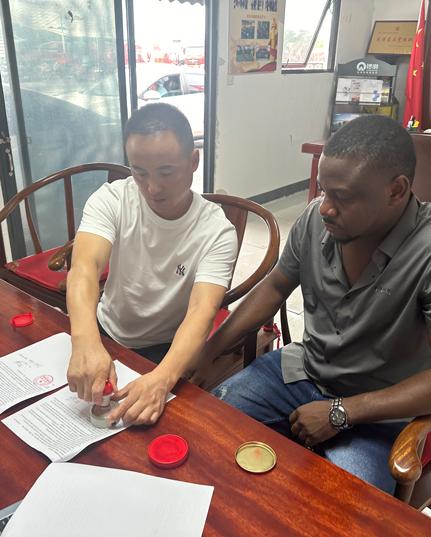
"We manage heavy-duty machinery transport between construction sites. The Shacman F3000 tippers handle our payloads easily, while the cooling package keeps the engine operating at optimal temperatures even under high loads."
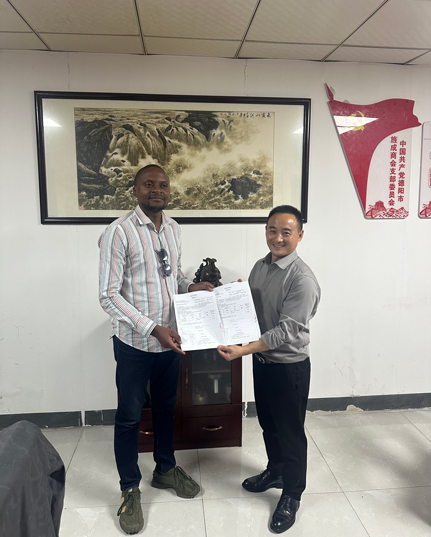
"The cabin design and suspension on the new HOWO TX make long driving shifts manageable. The air-suspended driver's seat and intuitive controls minimize operator fatigue during long haulage routes."

Keep up with heavy vehicle technology, maintenance practices, and global logistical developments.
Technical details, compliance standards, and ordering protocols for international fleet procurement.
The primary differences lie in payload capacity and weight distribution. A 6x4 configuration features three axles (two driven axles at the rear) and is ideal for tight urban worksites due to its shorter turning circle. An 8x4 configuration includes four axles (two steering front axles and two driven rear axles). This allows for higher gross vehicle mass (GVM) and better weight distribution, helping operators meet axle load limits under local regulations.
We analyze the import guidelines of your region before production begins. For markets like Australia, we verify that critical systems—such as braking (ECE R13/ADR 35 equivalent), lighting, mudguards, and emissions setups (Euro 4/5/6 configurations)—conform to the respective national standards. Our engineering team modifies the chassis layouts accordingly at our partner factories.
We source heavy-duty commercial engines from trusted manufacturers, including Weichai Power and Sinotruk (MC series engines developed in partnership with MAN). Outputs range from 371HP to 420HP, depending on payload requirements, with displacement sizes engineered to provide high low-end torque for heavy starts and incline driving.
Yes. Depending on your material requirements, we offer standard Q345 carbon steel, high-tensile T700 steel, or wear-resistant steel. Side wall and floor plate thicknesses can be customized to match your hauling material—whether you are transporting fine sand or large blasting stone.
Explore our heavy-duty tippers, road tractors, and customizable double-axle haulers.