
High-performance heavy-duty transport vehicles and compatible mechanical components engineered for rigorous industrial environments.
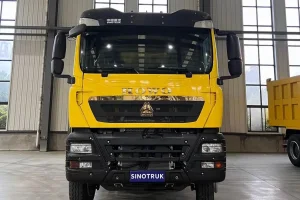
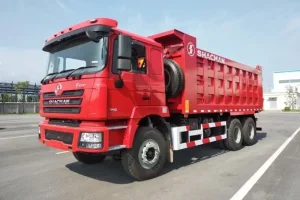
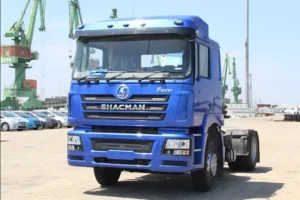
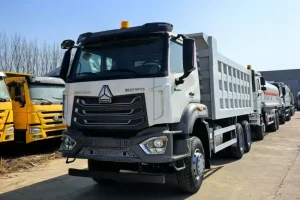
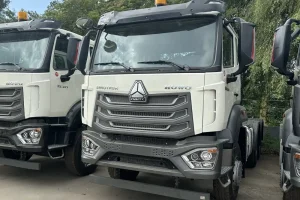
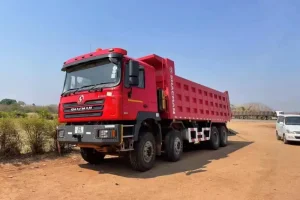
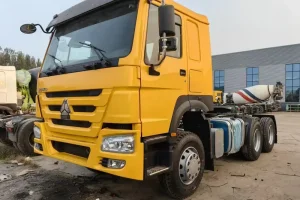
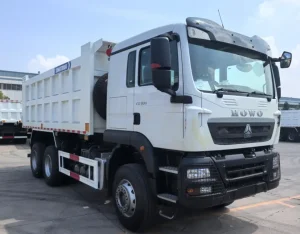
In modern commercial haulage and freight logistics, vehicle deceleration mechanics represent the cornerstone of operational safety and kinetic management. Heavy-duty semi-trucks, often operating under Gross Vehicle Weight Ratings (GVWR) exceeding 80,000 lbs (36 metric tons), subject their braking systems to immense thermal and mechanical stresses. Within this environment, semi brake drums act as the primary friction partner, absorbing and dissipating kinetic energy under extreme temperature cycles.
This industry report examines the global landscape of wholesale semi brake drum manufacturing. We analyze casting metallurgy, thermal stability, regional compliance standards (including FMVSS 121 and ECE R90), and supply chain factors that govern international procurement. Additionally, we integrate real-world logistics applications by leveraging the manufacturing and export data from Deyang Hongkai Auto Trading Co., Ltd., a provider of heavy-duty transport platforms and commercial fleet components.
"The physics of deceleration dictates that a loaded semi-trailer traveling at 60 mph generates over 5 million foot-pounds of kinetic energy, which must be fully converted into thermal energy within seconds. The integrity of the cast-iron brake drum is the only barrier against catastrophic runaway events."
Underpinning international distribution with advanced testing facilities, large-scale warehousing, and regional supply lines.
Founded in Deyang City, Sichuan Province, China, the company initially focused on heavy-duty commercial vehicle distribution and components trading in the domestic market. By establishing a robust customer network and partnering with state-of-the-art foundry facilities, the company expanded its capabilities to serve the global aftermarket and OEM channels, exporting high-durability chassis components, tractor heads, tippers, and brake systems across Europe, North America, and emerging markets.
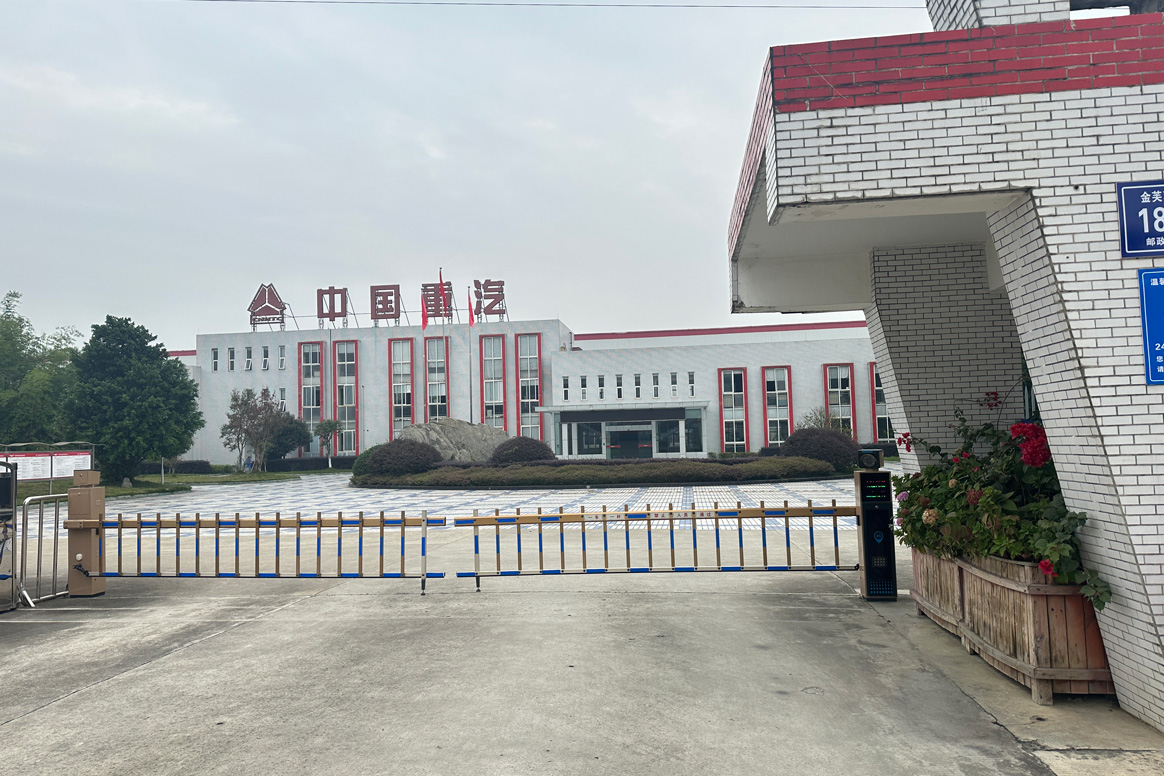
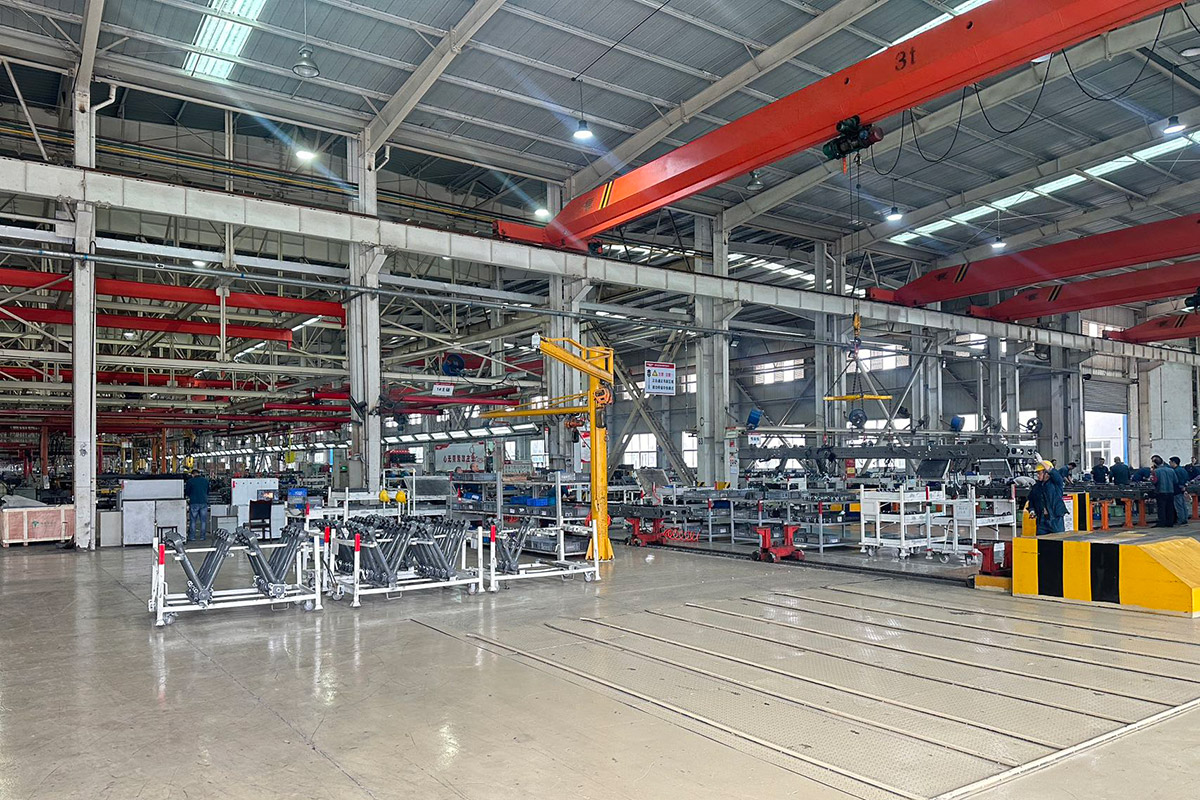
Examine our logistics network and production capabilities via our interactive 3D VR environment.
To withstand extreme operating conditions, modern commercial brake drums must exhibit precise metallurgical properties. High-quality semi brake drums are cast from Gray Iron (predominantly G3000/HT250 grades) due to its excellent thermal conductivity and dampening capacity.
The microstructure of a brake drum dictates its wear resistance and mechanical properties. The optimal Carbon Equivalency (CE) is kept between 3.9% and 4.15%. Microstructure validation via spectrometer and metallographic examination ensures the presence of Type A graphite flakes (sizes 3 to 5). This flake morphology provides pathways for rapid heat dissipation away from the rubbing surface, preventing localized thermal expansion (known as "hot spotting").
Unbalanced rotation at high speeds results in destructive mechanical vibrations, accelerated wheel bearing wear, and uneven braking pressure. Premium manufacturing processes require dynamic balancing down to a residual unbalance of less than 20 inch-ounces. Precision machining of the contact surface ensures a surface roughness (Ra) within the 1.6 to 3.2 micrometer range, promoting rapid brake shoe bed-in and mitigating brake fade during early duty cycles.
Continuous downhill braking heats drums to temperatures exceeding 500°C (932°F). When a drum expands radially under thermal stress (bell-mouthing), the distance between the brake shoes and the drum increases, causing brake fade. Leading manufacturers address this through thicker wrap-around ribs and structural flanges that strengthen the drum body and improve air convection cooling.
Braking requirements vary significantly by geography, climate, and load profile. Deploying standard components in extreme environments can lead to premature wear or component failure. Below, we examine three common operational environments.
On high-altitude routes—such as the Andes in South America, the Rockies in North America, or the East African Rift—fleets experience sustained downhill grades. Under these conditions, retarders and exhaust brakes are used alongside foundation brakes. Drums deployed here require high thermal fatigue resistance to prevent thermal cracking (crazing) caused by rapid temperature fluctuations from hot braking runs followed by cold high-altitude air.
In regions like the Copperbelt of Zambia and the mineral-rich areas of Luanda, Angola, transport trucks operate in dusty, unpaved environments carrying heavy payloads. Abrasive silica dust can enter the brake drum housing, acting as an abrasive paste between the lining and the drum surface. For these applications, manufacturers offer sealed backing plates and drums with integrated dirt shields to protect the friction contact zone.
Intermodal port logistics involve constant stop-and-go duty cycles in warm, humid coastal air. Saltwater exposure accelerates oxidation on raw cast iron surfaces. Premium manufacturers apply zinc-rich anti-corrosion coatings to non-contact exterior surfaces, preventing structural rust from compromising the mounting wheel hub interface.
China's automotive and heavy-machinery manufacturing industry relies on vertically integrated supply networks, combining raw material access, precision machining, and shipping infrastructure.
Sichuan Province, an industrial center for metallurgy and heavy machinery, provides access to high-quality iron ore and alloy raw materials. Clustered supply chains allow foundries to coordinate directly with nearby CNC machining centers, reducing transport times and carbon footprints. This integration supports rapid OEM/ODM prototyping and quick turnaround times for custom design requests.
Modern Chinese foundries utilize automated molding systems (such as DISAMATIC horizontal or vertical flaskless molding lines). These systems ensure consistent casting density and dimensional tolerances, reducing internal casting defects like gas porosity and sand inclusion. This reliability translates directly to consistent braking performance across fleet operations.
Deyang Hongkai Auto Trading Co., Ltd. utilizes Sichuan’s rail connections and proximity to maritime ports (such as Shanghai, Shenzhen, and Qingdao) to manage global shipping logistics. Combined with local warehousing, this ensures stable delivery times even during periods of global shipping disruption.
The commercial vehicle market is evolving with the introduction of alternative powertrains, regulatory safety changes, and smart diagnostic telematics.
Next-generation brake drums incorporate embedded micro-sensors and thermal coupons. These sensors transmit real-time temperature, wear, and structural stress data to the driver cabin and fleet management platforms, enabling predictive maintenance and preventing catastrophic failures before they occur.
To improve fuel economy and battery range in electric vehicles, manufacturers are developing bimetallic brake drums. These drums combine a lightweight aluminum alloy mounting shell with a durable cast-iron friction ring. This design reduces unsprung mass by up to 30% while retaining the wear resistance of gray cast iron.
Electric commercial vehicles use regenerative motor braking for primary deceleration, reducing thermal load on foundation drum brakes. However, this means foundation brakes can remain inactive for long periods, leading to potential rust build-up. Future brake drum alloys will focus on corrosion-resistant materials to maintain braking performance even during infrequent use.
High-efficiency power systems, predictive control, and thermal management integrated into heavy-duty transport vehicles.
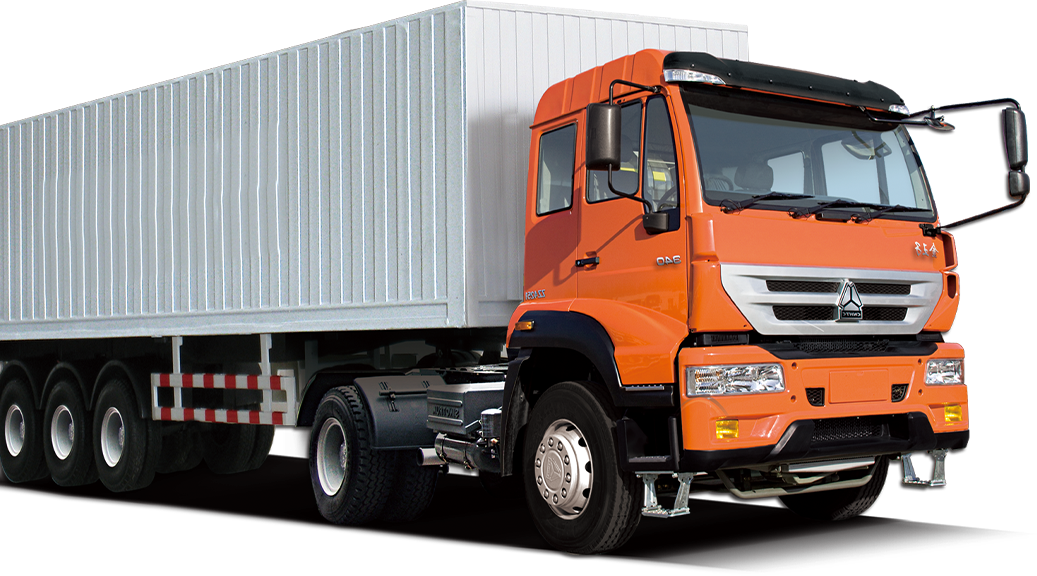
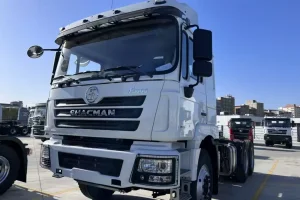
The X6000 series features optimized thermal dissipation, predictive engine control, and refined cabin ergonomics. Our brake components are designed to match the high braking demands of this platform, ensuring reliable stopping power under heavy loads.
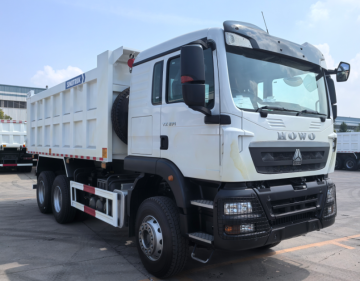
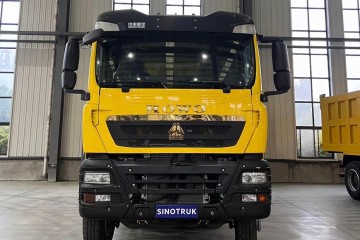
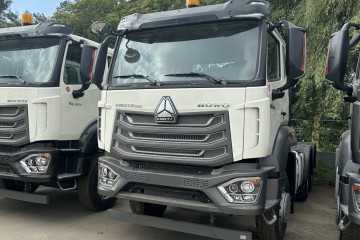
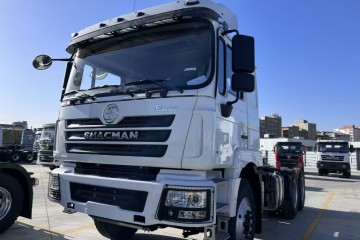
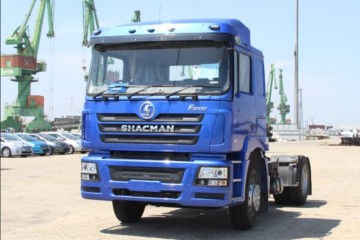
Providing OEM/ODM solutions. 50% of components exported to Europe, 40% to North America, and 10% to other regions.

We analyze payload demands, operating environment profiles, and route topography to recommend optimal drum casting weights and alloys.

We offer 24-hour technical consultations, replacement interval guidelines, and training resources for fleet mechanics.

Every component undergoes balance testing, dimensional checks, and corrosion protection treatment before shipping.

We provide structural warranties covering casting integrity and wear resistance against premature thermal cracking.
Technical answers to help fleet managers and procurement specialists evaluate commercial brake drum components.
Read feedback from transport operators using our vehicles and chassis components on heavy-haul routes.
"Choosing these heavy-duty tractors was a key business decision for our long-haul fleet in the United States. Fuel economy and foundation brake life are excellent under heavy cargo loads."
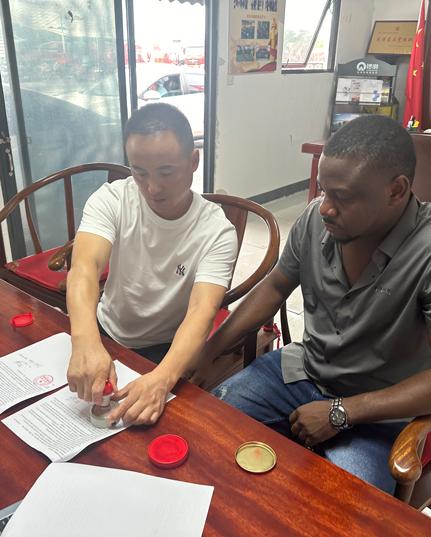
Fleet Proprietor - United States
"On the Lagos-Dakar long-haul route, our drivers navigate challenging roads and varied terrain. The suspension and braking performance of these tractor platforms keep our operations moving safely."
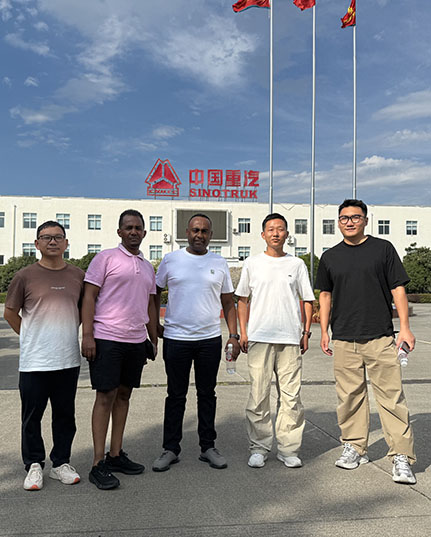
West African Fleet Services
Stay updated with research developments, factory production news, and heavy vehicle regulations.
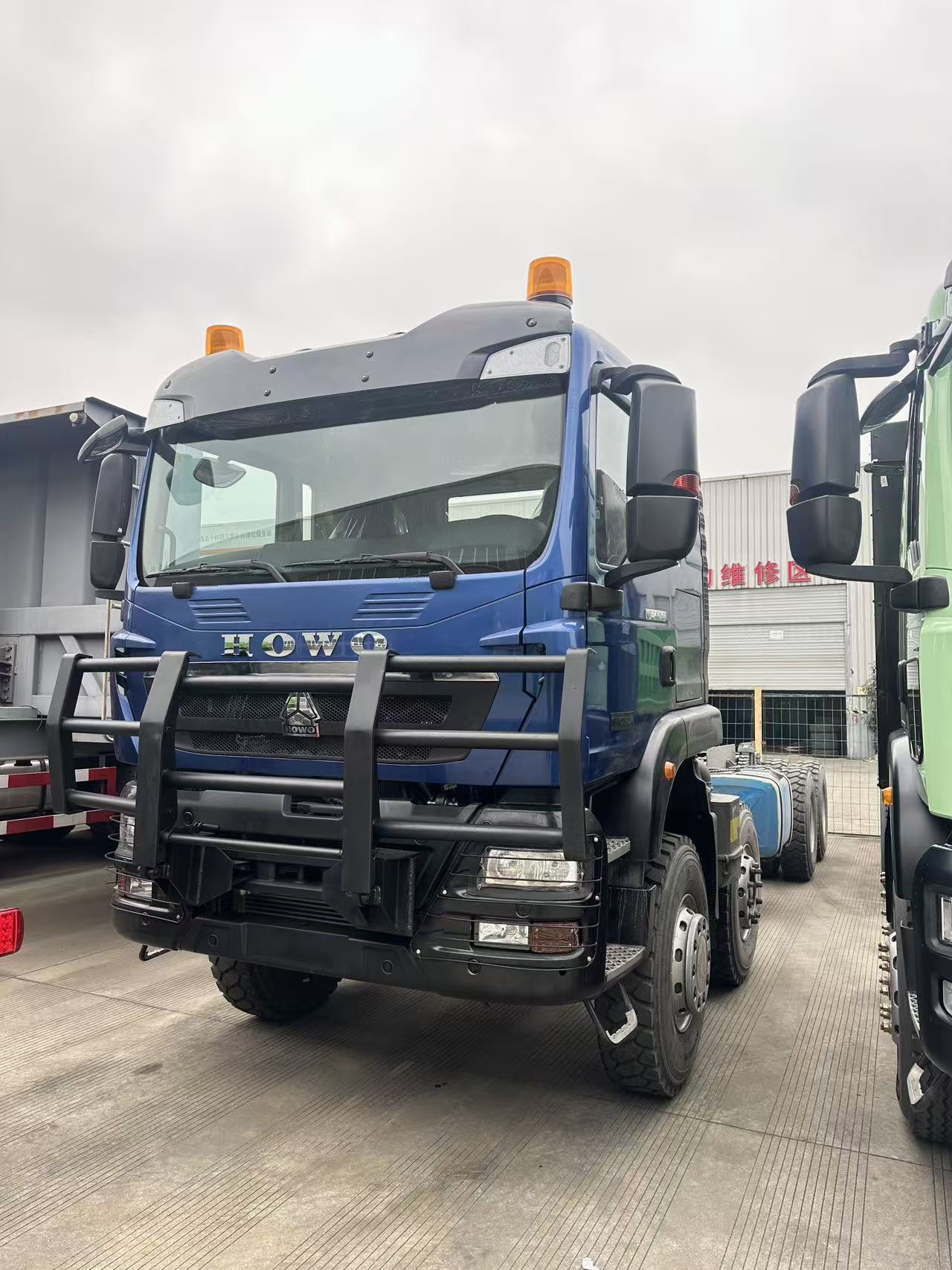
A look at operational data showing why heavy tippers choose drum brake architectures over disc alternatives in harsh mining and construction settings.
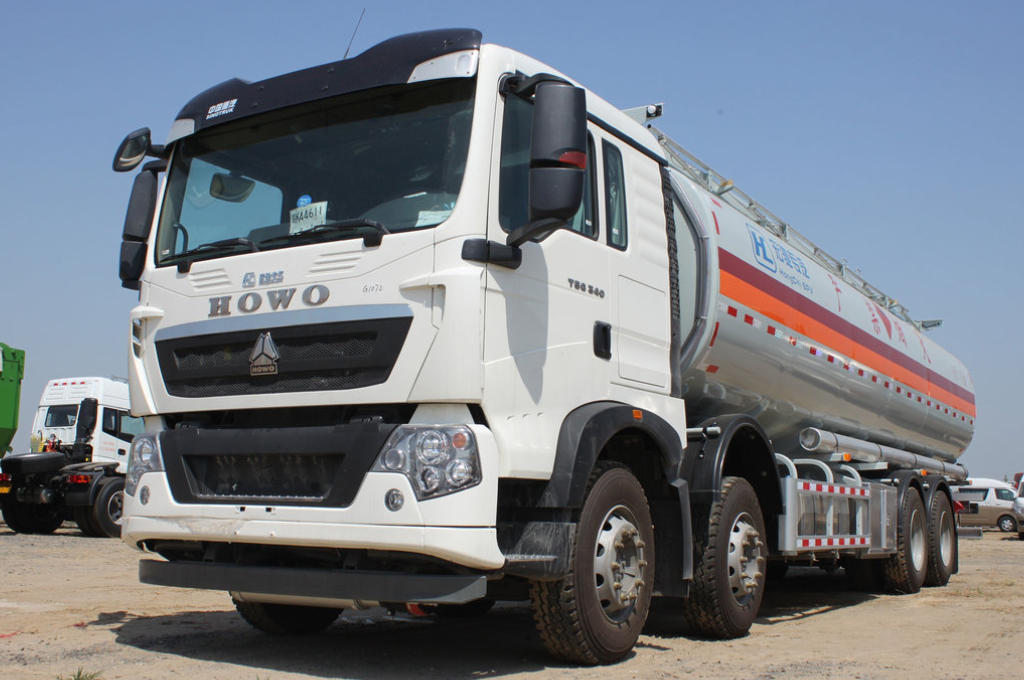
Analyzing the brake safety requirements for liquid tankers, where deceleration control and thermal management are vital for cargo stability.
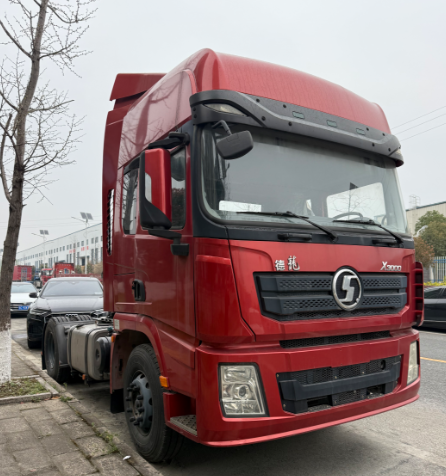
Examining wear patterns and structural performance of tractor head brake systems after 100,000 km of service.
Collaborating with global automotive testing agencies, foundries, and international transport operators.



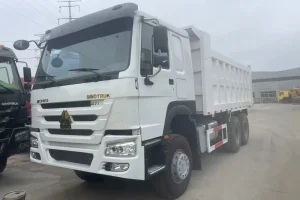
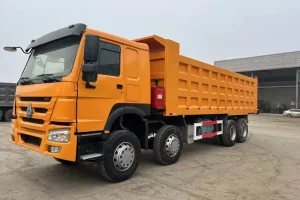
Select from our range of tractors, tippers, and components designed for reliable braking performance.
Contact our engineering support team for tailored metallurgical compositions, regional logistics delivery estimates, and OEM partnership terms.

"We operate a logistics network in Luanda, Angola, hauling mining equipment over long distances. The durability and heat dissipation of these components help minimize downtime and extend brake lining life."
Operations Director
Luanda Logistics Hub - Angola