
Explore our flagship heavy duty vehicles and logistics powertrains. High torque configurations designed for rigorous transcontinental shipping and industrial transport duties.
An authoritative guide to understanding camshaft profile optimization, metallurgical precision, and how global fleet operators manage powertrain upgrades for peak efficiency.
The 5.3-liter V8 engine block remains a cornerstone of light-to-medium utility fleets worldwide. Incorporating an OEM Stage 2 Camshaft upgrade fundamentally shifts the engine's torque curve to match heavy-load towing and high-stress cycles. The Stage 2 design optimizes both the duration and lift profiles:
This precision mechanical adjustment permits heavy fleet vehicles to generate substantial low-end pulling power, critical for hauling heavy cargo across mountainous regions without suffering transmission gear-hunting.
OEM manufacturers and exporters must adhere to stringent material compliance. High-durability Stage 2 camshafts are forged utilizing 8620 steel billet or high-strength induction-hardened ductile iron.
CNC precision grinding to tolerances within 0.0001 inches prevents lobe degradation. Additionally, a specialized parkerizing or manganese phosphate conversion coating is applied to reduce initial friction during the crucial engine break-in period.
This level of industrial design ensures that the component can withstand continuous thermal cycles ranging from cold-start sequences at -20°C in mountainous terrains to sustained heavy operation at ambient temperatures exceeding 45°C in tropical and desert climates.
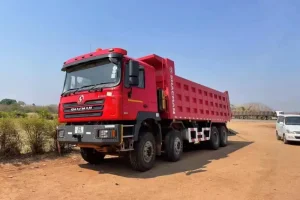
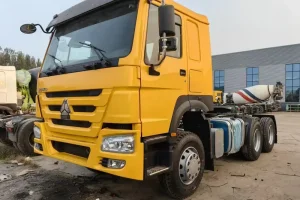
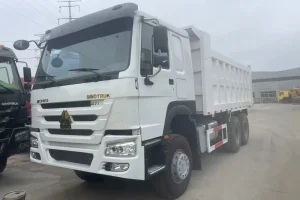
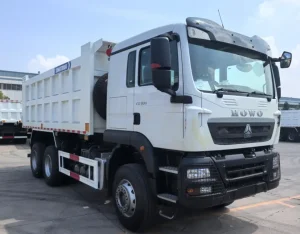
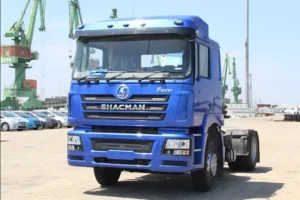
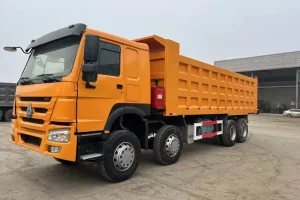
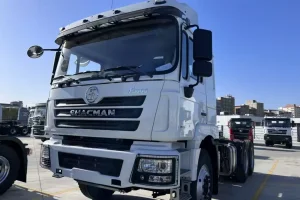
For global logistics managers running massive freight operations across Africa, South America, and Central Asia, minor inefficiencies in powertrain performance compound into massive operational expenses. Integrating performance-profiled components like the Stage 2 Cam 5.3 into support vehicles and light-duty delivery fleets, alongside heavy-duty freight haulers (like the Sinotruk HOWO and SHACMAN series), forms a cohesive macro transport strategy.
By pairing advanced fuel-injection systems with specific camshaft duration curves, fleet managers can achieve up to a 6.5% reduction in overall fuel consumption during loaded highway cruising. This is particularly relevant for routes such as the Lagos-Dakar transit or cross-border logistics in East Africa, where high elevations and rough terrains demand consistent, uninterrupted engine torque.
The company was founded in Deyang City, Sichuan Province, China, focusing on truck trading in China's domestic market in the start-up phase, and successfully establishing an initial customer network in the local market. Over the years, we have expanded our capacity to become a premium partner for global logistics enterprises, offering rugged vehicles, custom OEM parts engineering, and end-to-end shipping solutions.
Through our dedicated manufacturing networks, we ensure that every dump truck, tractor head, and engine component we export meets the most stringent quality protocols. By optimizing the engine mechanical setups (such as integrating high-performance cams and robust fuel systems), we deliver maximum uptime to logistics companies worldwide.
How engine mechanical parts are evolving to meet future emissions restrictions and operational cost challenges.
Integration of DLC (Diamond-Like Carbon) coatings on camshaft lobes to reduce friction and heat buildup by 40% under maximum load profiles.
Development of asymmetrical camshaft lobes allowing variable lift durations depending on engine acceleration rates, maximizing fuel economy.
Transition to electronically actuated solenoid valvetrains, allowing real-time adjustment of lift profiles without mechanical camshaft limits.
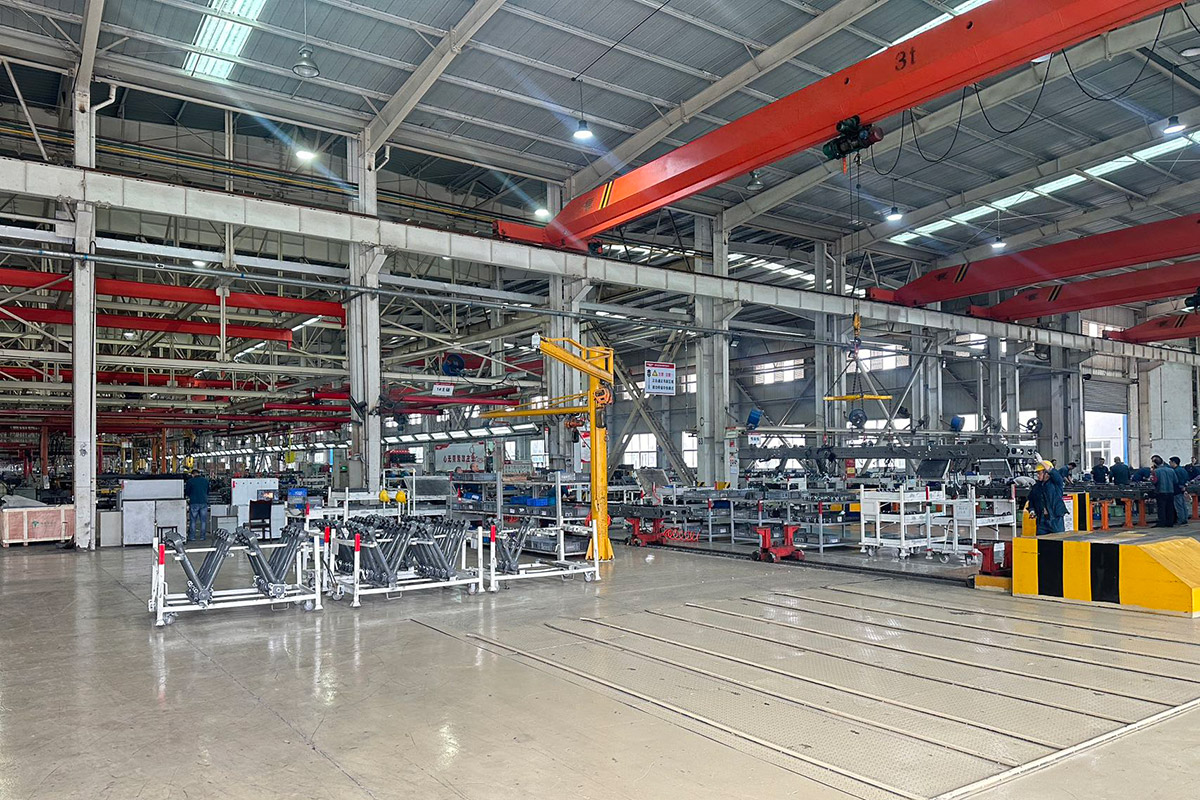
Take a look inside our dynamic testing grounds and manufacturing operations facility directly from your screen.
We pride ourselves on offering end-to-end ODM/OEM support with a reputation built upon reliable global components distribution.
Demand Analysis: Thoroughly understand customers' transportation needs, such as cargo types, transportation routes, load requirements, etc., and recommend the most suitable truck models and configurations for them.
Technical Consultation and Training: Provide 24-hour technical consultation service for customers to answer technical questions encountered during vehicle use. Regularly organize online/offline training for drivers and maintenance personnel.
Vehicle Preparation and Inspection: Before vehicle delivery, conduct a comprehensive preparation and strict inspection of the truck, including exterior cleaning, performance debugging, safety testing, etc., to ensure the best condition.
Warranty Policy Formulation: Formulate a clear and reasonable warranty policy, stipulating the warranty period, warranty scope, warranty conditions, etc., clearly publicize it to customers and strictly implement it.
Real feedback from drivers, mechanics, and fleet managers operating under extreme conditions across different continents.
We collaborate with top-tier global industrial vehicle brands and component suppliers to guarantee unmatched reliability.



Stay up to date with the latest industry shifts, fleet performance upgrades, and export policies.
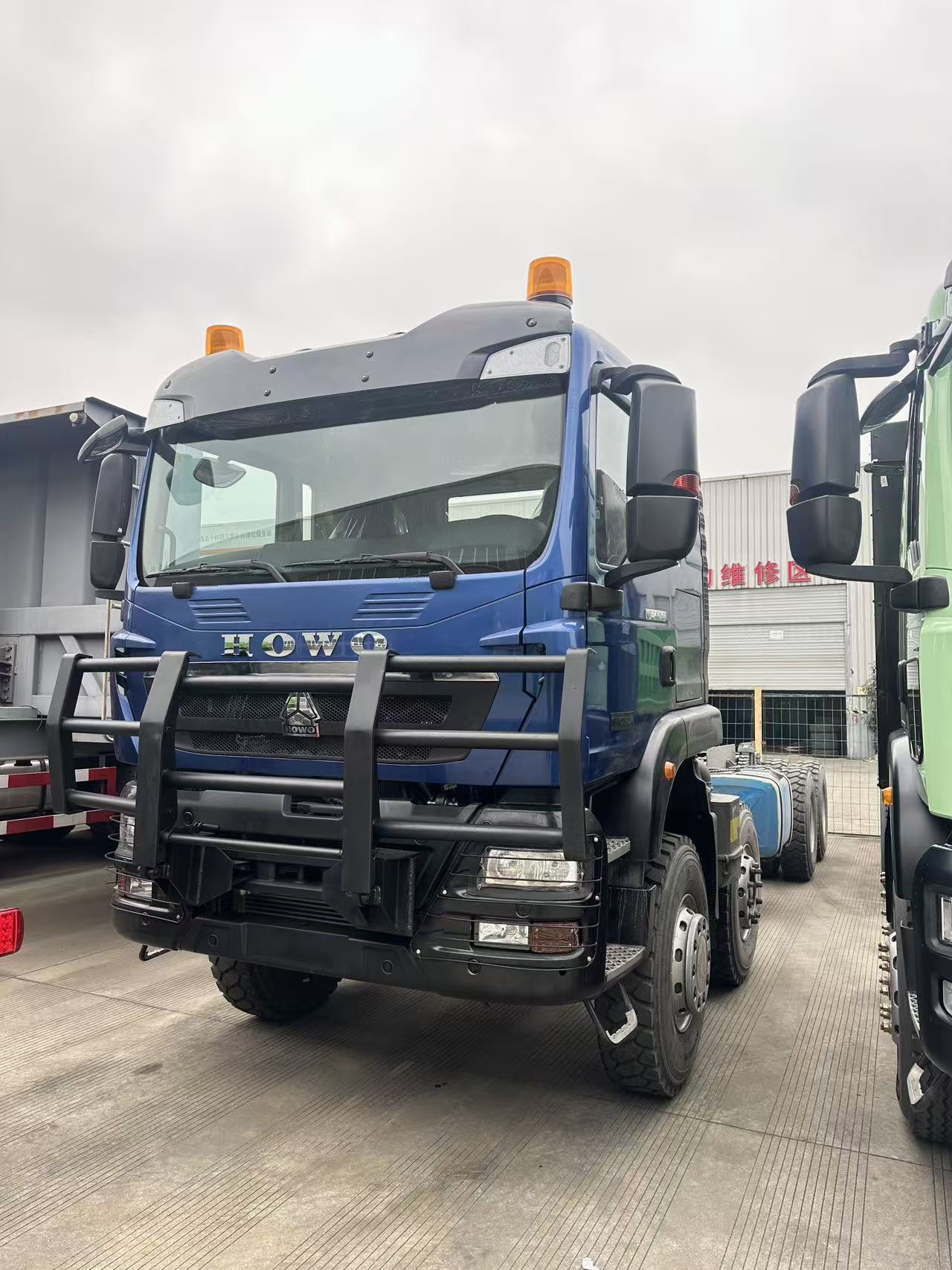
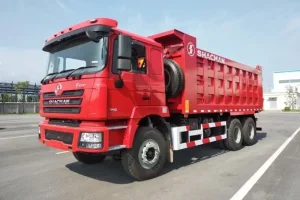
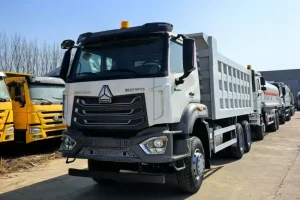
We supply genuine Sinotruk HOWO TX 8x4 dump trucks with factory chassis. Over 80% of our overseas clients choose this robust configuration...
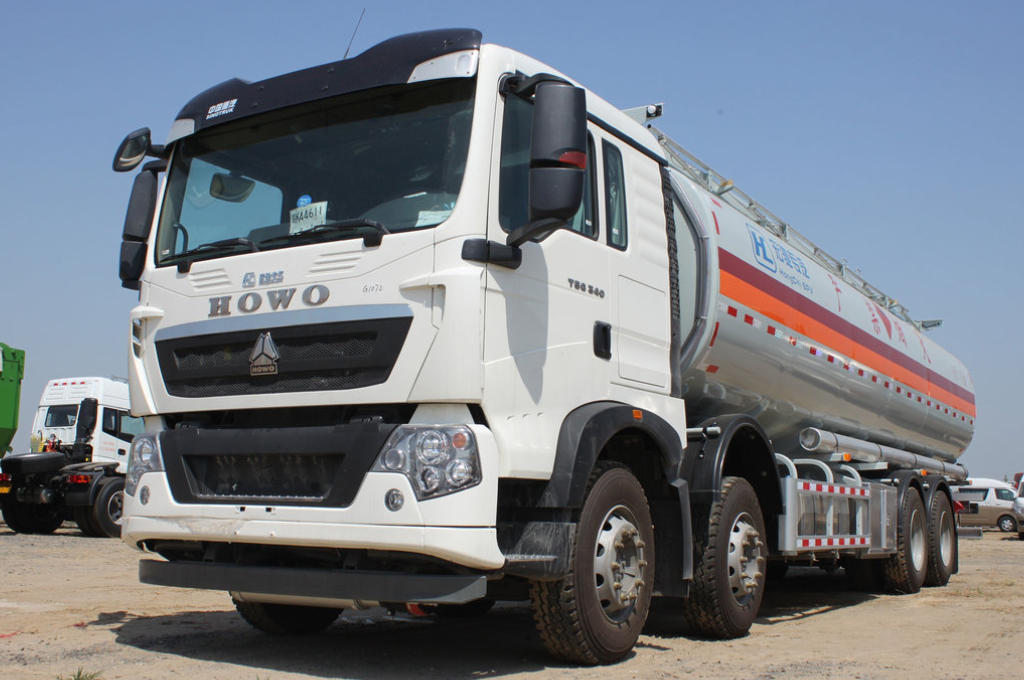
The HOWO TX 8x4 Fuel Tanker Truck delivers powerful performance, large‑volume tank capacity, and industry‑leading safety controls...
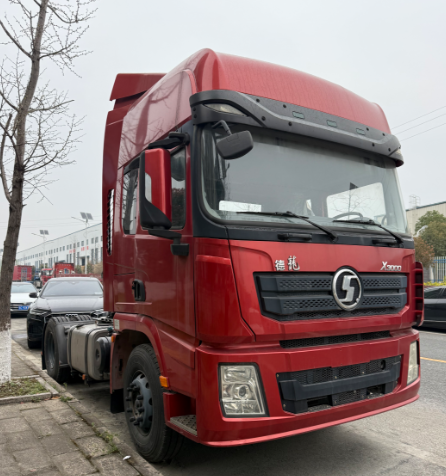
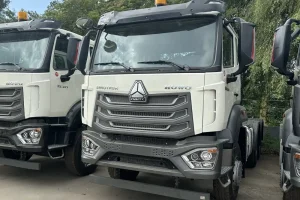
Powered by a high-efficiency 430HP Weichai WP12 engine, this heavy-duty tractor maximizes fuel saving and speed control...
Detailed technical explanations addressing procurement, metallurgical specs, design compliance, and practical fleet integration queries.
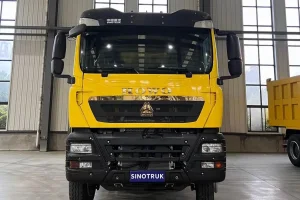
Premium heavy duty trucks configured for international trade, long-distance supply chain logistics, and major mining operations.
Get in touch with our experts today to configure your custom logistics truck orders or order high-grade engine components.

"As a driver who has been involved in long-distance logistics transportation for many years, I am extremely demanding of my trucks. I chose them over a wide range of makes and models, and it was definitely one of the smartest business decisions I've made in recent years."
Emily Johnson
United States - Long-Distance Carrier"Managing a logistics hub in Luanda, Angola, we need trucks that handle long distances. This truck's comfort and fuel efficiency make long hauls less tiring."
Luanda Hub Manager
Angola - Transport Logistics"As a Lagos-Dakar long-haul driver, I've tackled Africa's diverse roads. This truck's suspension and engine power handle potholes and dust like a champ—my go-to for cross-border hauls."
Cross-Border Driver
Nigeria to Senegal - Freight Transit"Running a Nairobi logistics firm, we need trucks that survive Africa's heat and rough terrain. This model's durability and low maintenance costs keep our fleet moving."
Fleet Supervisor
Kenya - Nairobi Logistics Firm"Operating a mining supply business in Zambia, our trucks haul heavy equipment daily. This dump truck's torque and payload capacity make our operations efficient."
Mining Logistics Lead
Zambia - Mining Heavy Haul"The ergonomics of the driver's seat is superb, with precise adjustments for seat height, angle and lumbar support, allowing me to quickly find the most comfortable driving position."
Professional Driver
Global Distribution Fleet