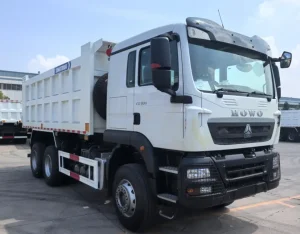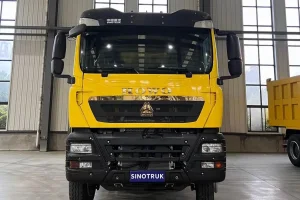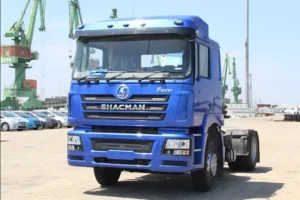
Explore our engineering lineup featuring premium Sino-chassis integrations, heavy-duty towing units, and proportional auxiliary components designed for rugged operational durability.
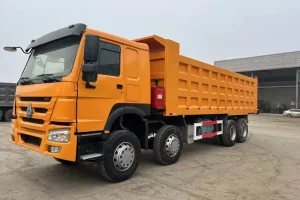
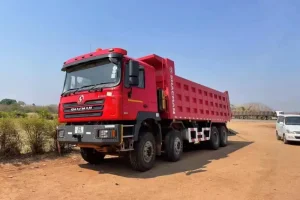
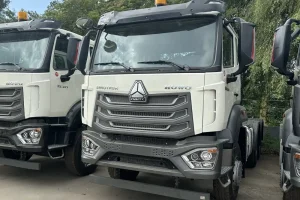
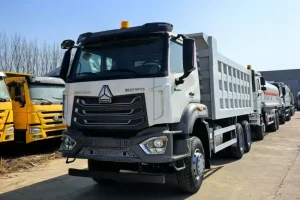
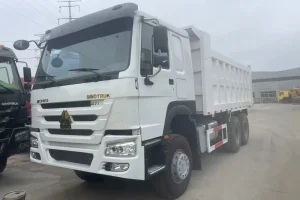
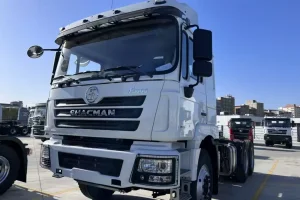
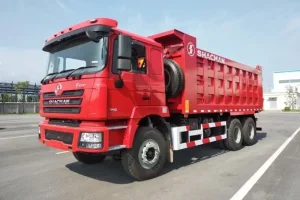
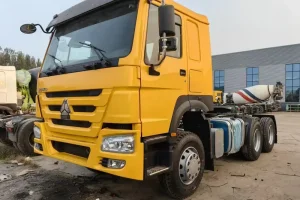
Flat towing, historically referred to as "dinghy towing," has transitioned from recreational vehicular recreation to a critical commercial operations requirement. In heavy logistics, agricultural redistribution, and military recovery operations, flat towing allows utility rigs to transport support vehicles without mounting them on trailers. However, the dynamics of energy dissipation during decelerations demand a dedicated OEM Flat Tow Brake System.
Without a supplemental braking device, the towed vehicle acts as an unbraked deadweight. During deceleration, the kinetic energy of the towed unit creates a forward force vector that pushes against the towing hitch. This degrades steering authority, increases braking distance, and poses jackknifing risks. Supplemental brake systems utilize proportional sensors to synchronize braking actions, ensuring the towed vehicle decelerates under its own braking power.
Square Meters Production Area
High-Precision Employees
Global Export Markets
Years Engineering Excellence
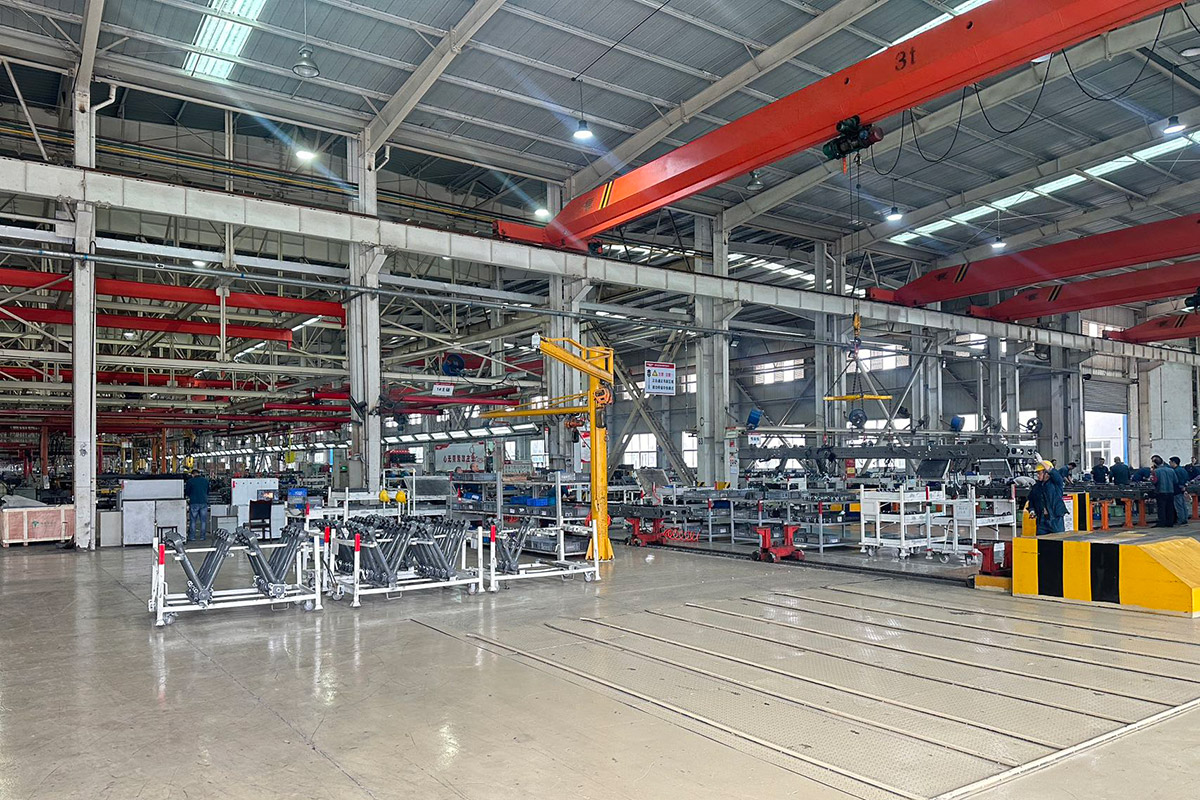
Founded in Deyang City, Sichuan Province, China, Hongkai has evolved from a domestic truck trading specialist into a globally recognized integration hub for heavy vehicles and specialized towing solutions. Utilizing advanced design and supply chain integration capabilities, Hongkai distributes specialized rigs and high-performance commercial towing systems globally.
By leveraging a production footprint exceeding 211,000 square meters, we optimize the assembly, testing, and customization of towing kits, pneumatic auxiliary brake couplers, and tractor systems. Our components undergo structural load cell and environmental simulation testing to survive the harshest field operations.
Explore our assembly configurations and equipment showcases virtually. Engage with our interactive tool to view product design installations and operations.
Next-generation towing systems integration: Moving toward predictive deceleration, wireless telemetry, and electro-pneumatic feedback networks.
Traditional hardwired harnesses are prone to degradation in harsh environments. We are engineering Bluetooth-LE and proprietary RF transceivers to transmit proportional brake telemetry from the motorhome/tractor to the towed chassis with latency profiles under 5 milliseconds.
By integrating vehicle-to-vehicle (V2V) communications and LiDAR telemetry, flat tow brake controllers will adaptively pre-charge the towed vehicle's braking cylinders before mechanical brake pedal activation occurs in the lead vehicle.
As towed passenger and commercial vehicles transition to EV architectures, our research focuses on regenerative flat-towing systems. These systems capture deceleration kinetic energy, converting it to electrical current to charge the towed battery packs during transit.
Analyzing the operational requirements, environmental variables, and structural demands for supplemental braking systems in diverse global corridors.
In North America, recreational flat towing of utility trucks behind motorhomes is common. However, regulations in most US states and Canadian provinces mandate supplemental brakes for towed weights exceeding 3,000 lbs (1,360 kg).
Our systems feature dual-axis accelerometers and breakaway switches to meet DOT and FMVSS guidelines across high-altitude mountain passes.
Heavy logistics operations across regions like Angola, Zambia, and South Africa involve unpaved roads and extreme ambient temperatures. Air-brake synchronized supplemental systems are vital here.
By linking the pneumatic lines of heavy-duty prime movers, such as the Shacman F3000 or HOWO NX, we deliver dirt-resistant, high-torque brake pedal depression mechanisms.
European markets require strict compliance with ECE regulations. Flat-towed utility vehicles require intelligent, overrunning-style braking or active servo control units.
Our engineering solutions adapt localized proportional braking systems with diagnostic modules to monitor towed brake temperatures and prevent overheating in dense urban centers.
Why OEMs and international fleet operators choose Hongkai for integrated towing solutions and heavy-duty chassis structures.
Located in Deyang City, Sichuan—a hub of heavy industrial manufacturing in China—Hongkai enjoys direct access to metallurgy clusters, precision tooling foundries, and advanced electrical component suppliers. This geographical concentration reduces lead times for casting tow bars, baseplates, and internal brake pedal cylinder housings. The outcome is a resilient supply chain that remains insulated from regional logisitical bottlenecks.
Our production facilities feature multi-axis CNC machines, laser metal cutters, and automated robotic welding arms. This advanced infrastructure allows us to transition from client CAD files to prototype testing within 14 business days. Whether adapting bracket configurations for a HOWO 6x4 tractor or configuring a custom pneumatic controller for flat-towing utility vehicles, our rapid development cycles keep our clients competitive.
We maintain ISO 9001:2015 and IATF 16949 certifications. Every structural steel weldment undergoes ultrasonic testing to verify fatigue life. In addition, our electrical control units are subjected to vibration tables and thermal stress screening (-40°C to +85°C) to ensure reliability under extreme field conditions.
Leveraging two decades of export experience, we manage localized customs compliance, import documentation, and intermodal transport channels. This ensures that customized tow systems, heavy trucks, and supplemental braking components arrive at North American, European, and African ports without delays.
Providing custom engineering services and complete lifecycle support for heavy vehicle acquisitions and flat tow system configurations.
We conduct vehicle compatibility assessments, analyzing axle loads, hydraulic integrations, and electrical connections to select the ideal towing and braking products.
Before dispatch, all tractor chassis and towing packages undergo rigorous structural inspection, brake calibration, and electrical mapping to ensure they are field-ready.
Our products are covered by comprehensive warranties, supported by spare parts availability and dedicated engineering support to minimize downtime.
We provide online and on-site technical courses, training fleet mechanics on installation, calibration, and safety verification for towing packages.
Hear from logistics directors, heavy haulers, and field mechanics operating in challenging environments worldwide.
"We operate a fleet of HOWO 8x4 dumpers and customized flat-tow support trucks across mountainous mining sites. Hongkai's integrated braking solutions significantly improved our fleet safety and reduced brake pad wear."
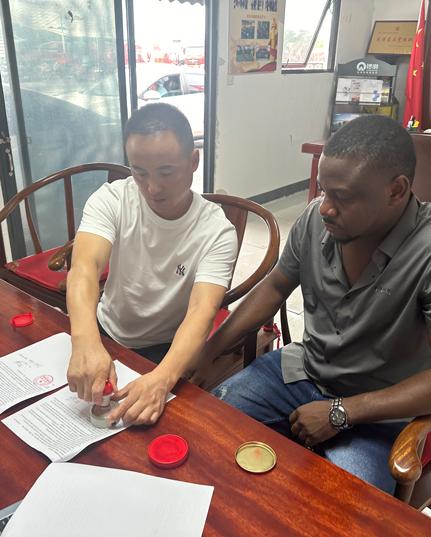
"Decelerating a 40-ton vehicle combination requires precise synchronization. The proportional pneumatic supplemental valves we sourced function reliably despite the fine sand and heat of the region."
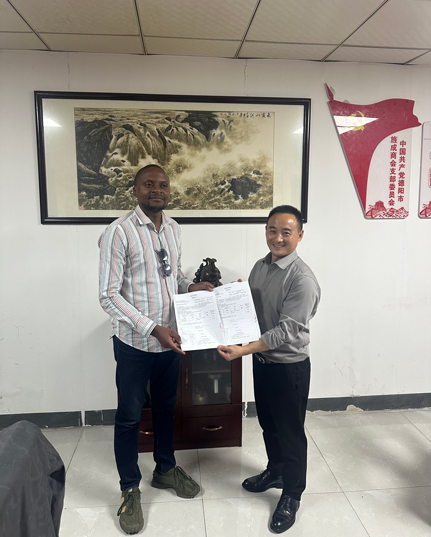
"The custom baseplates and wireless breakaway indicators have saved our transport vehicles on three separate occasions over the past year. Highly recommended."

Expert insights on engineering requirements, pneumatic integration, safety certifications, and installation best practices.
Portable Braking Systems are self-contained units placed in the driver-side floorboard of the towed vehicle. They utilize an internal compressor and air cylinder to physically depress the brake pedal when an internal accelerometer detects deceleration. They are easy to swap between vehicles but require setup before every trip.
Permanent (OEM-Integrated) Braking Systems are installed beneath the hood or dashboard. They connect directly to the lead vehicle's pneumatic or electronic braking lines. Once installed, they require minimal daily configuration, making them ideal for commercial fleets and frequent towing applications.
In pneumatic synchronization, we tap into the auxiliary service brake line of the tractor chassis. When the operator applies the foot brake pedal, air pressure routes through a dual-control relay valve to the towed vehicle's actuator. This air-over-air system ensures the braking force applied to the towed vehicle corresponds directly to the air pressure in the tractor's service brakes.
A breakaway system consists of an emergency switch mounted on the towed bumper, connected via steel cable to the towing hitch. If the towed vehicle detaches while in motion, the cable pulls a pin out of the breakaway switch. This immediately connects the towed vehicle's auxiliary battery to its onboard braking cylinder, bringing the runaway vehicle to a controlled stop. This is a mandatory safety feature in most global jurisdictions.
To prevent battery drain, our wiring configurations include a dedicated, fused charge line from the towing vehicle's alternator. This line continuously trickles charge to the towed battery while in transit, offsetting the power consumption of the electronic brake actuators, breakaway monitors, and signaling lights.
Follow our structured process to configure custom towing setups and heavy-duty chassis integrations.
We analyze vehicle weights, structural towing capacities, and electrical configurations to select the ideal hardware.
Our engineers design custom baseplates and bracket adapters to interface seamlessly with the vehicle's structural chassis.
We configure and calibrate the braking control system's G-force sensors to match the towing vehicle's deceleration curve.
The customized towing components are manufactured, stress-tested, and shipped with comprehensive installation documentation.
Explore our heavy-duty tractor units and tipper configurations designed to form a complete fleet solution with our integrated flat-tow systems.