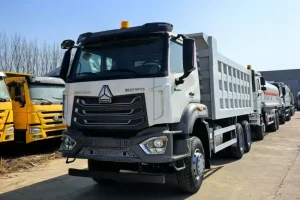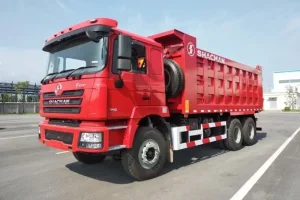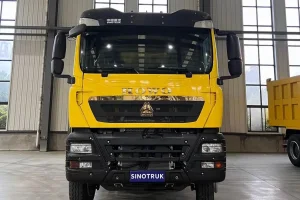
High-efficiency fleet equipment designed to support customized engineering and rigorous industrial exhaust standards.
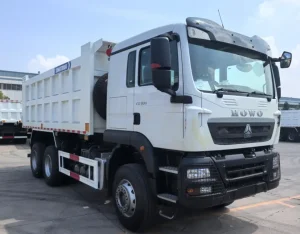
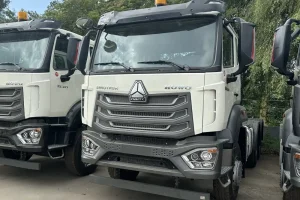
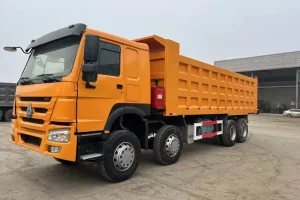
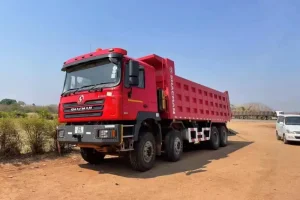
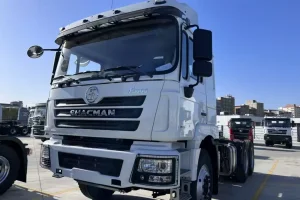
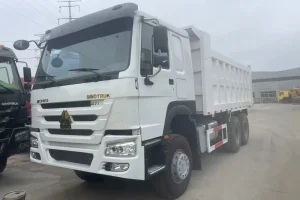
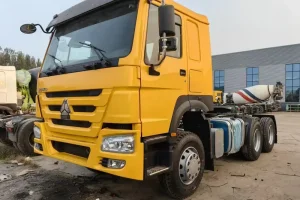
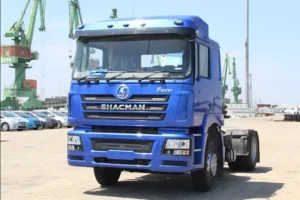
The global heavy-duty logistics and transportation sector is undergoing a profound structural change driven by stringent environmental guidelines. Modern truck exhaust pipes are no longer simple metallic conduits; they have evolved into critical subsystems essential for environmental compliance, engine backpressure balance, and thermal optimization. As regions enforce Euro VI, EPA 10/13, and China VI emission protocols, demand has escalated for complex Original Design Manufacturing (ODM) exhaust systems integrated with Selective Catalytic Reduction (SCR) canisters and Diesel Particulate Filters (DPF).
In developing logistics networks across Africa, Southeast Asia, and Central Asia, the operating environment demands extraordinary durability. Truck fleets operating HOWO TX, Hohan, and Shacman chassis configurations encounter elevated particulate stress, rough terrains, and high-sulfur fuel environments. Under these circumstances, high-quality corrosion-resistant metallurgy, rigid mounting systems, and optimized flex-pipe joins are vital to prevent system failure. For global procurers, finding an established OEM/ODM manufacturing partner capable of fabricating systems that balance engine output with strict emissions limits has become a core commercial necessity.
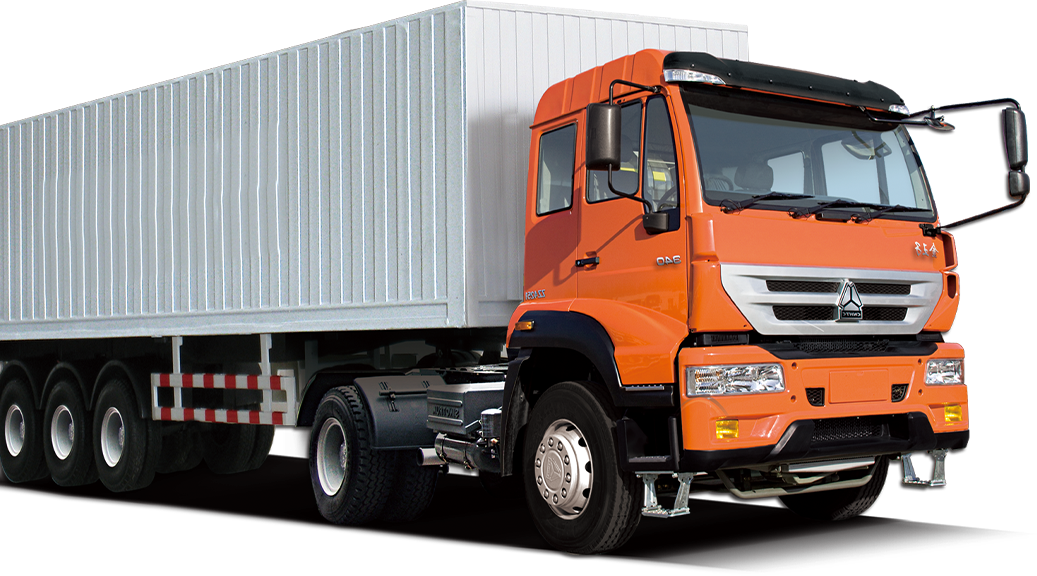
A technical guide to material science and pipe design configurations utilized in heavy vehicle exhaust lines.
Offering superior thermal oxidation protection compared to aluminized carbon steel, 409 stainless steel serves as the core material for commercial exhausts, handling typical exhaust temperatures up to 800°C without scale loss.
Designed for highly corrosive environments (e.g., coastal haulage or mining operations), 304 stainless steel features higher chromium and nickel levels, effectively stopping rust at weld zones and interface collars.
Custom-engineered bellows damp thermal expansion and absorb engine vibration, protecting the turbo connection manifold and reducing the risk of structural stress cracking on chassis-mounted pipes.
| Specification Standard | Aluminized Steel | AISI 409 Stainless | AISI 304 Stainless | Inconel Alloys (Specialized) |
|---|---|---|---|---|
| Temperature Limit | Up to 550°C | Up to 815°C | Up to 870°C | Up to 1000°C+ |
| Corrosion Resistance | Moderate (Low lifetime) | High (Industrial baseline) | Excellent (Coastal/Mining) | Extreme (Heavy duty/SCR inlet) |
| Cost/Performance Ratio | Economy | Balanced / OEM Standard | Premium / High Durability | Ultra-high specialty applications |
| Best Application Area | Tail pipes, brackets | Intermediate tubes, silencer casings | Flex joints, downpipes, SCR canisters | Turbo-discharge, wastegate pipes |
Leveraging industrial capacity and technical infrastructure to deliver robust fleet machinery and exhaust integration solutions globally.
Founded in Deyang City, Sichuan Province, China, Deyang Hongkai Auto Trading Co., Ltd. started by building a robust customer network within China's domestic commercial vehicle market. Through years of strategic growth, the company expanded its capabilities to serve the global market as an authoritative exporter of heavy-duty transport vehicles, chassis platforms, and customized mechanical subsystems, including high-performance exhaust lines.
Hongkai specializes in configuring and supplying heavy-duty trucks (including the Sinotruk HOWO and Shacman series) optimized for harsh operational conditions. Recognizing that high-temperature exhaust piping, SCR brackets, and silencer assemblies are crucial to maintaining fleet efficiency, Hongkai works closely with certified ODM manufacturing bases. This ensures that every exported vehicle or spare component matches regional emission standards and operational demands, providing optimal value, longevity, and reduced maintenance costs.
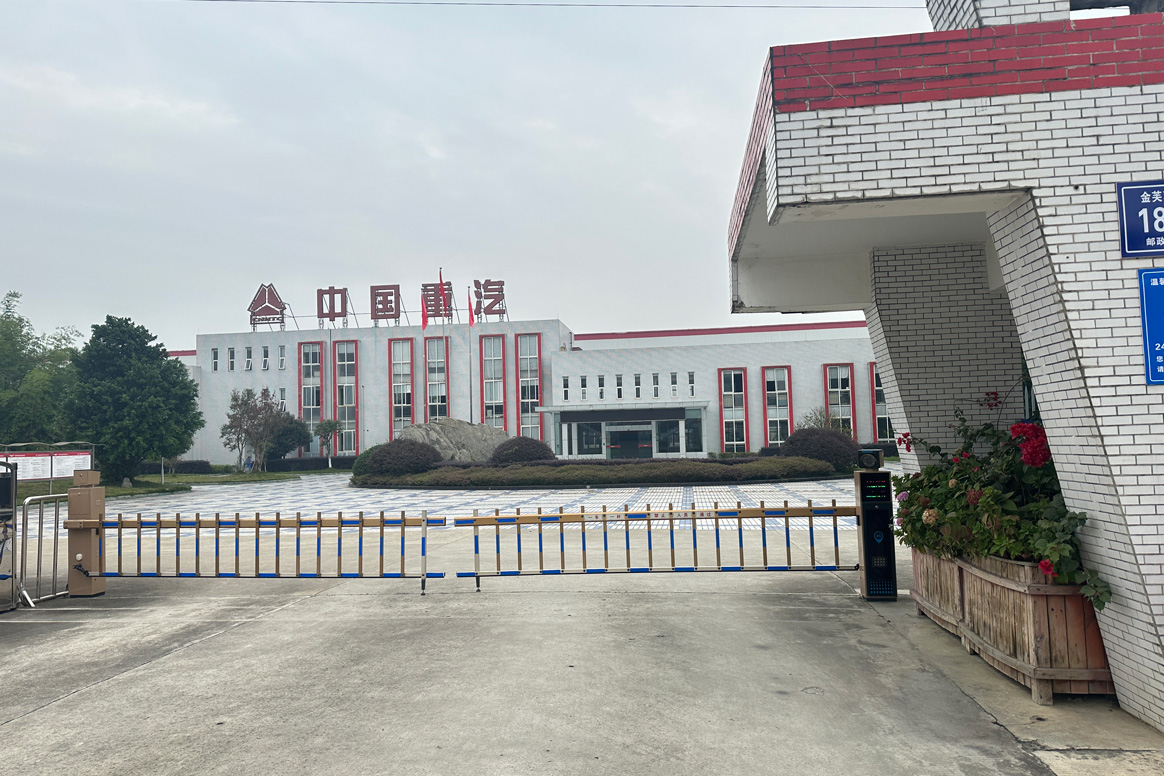
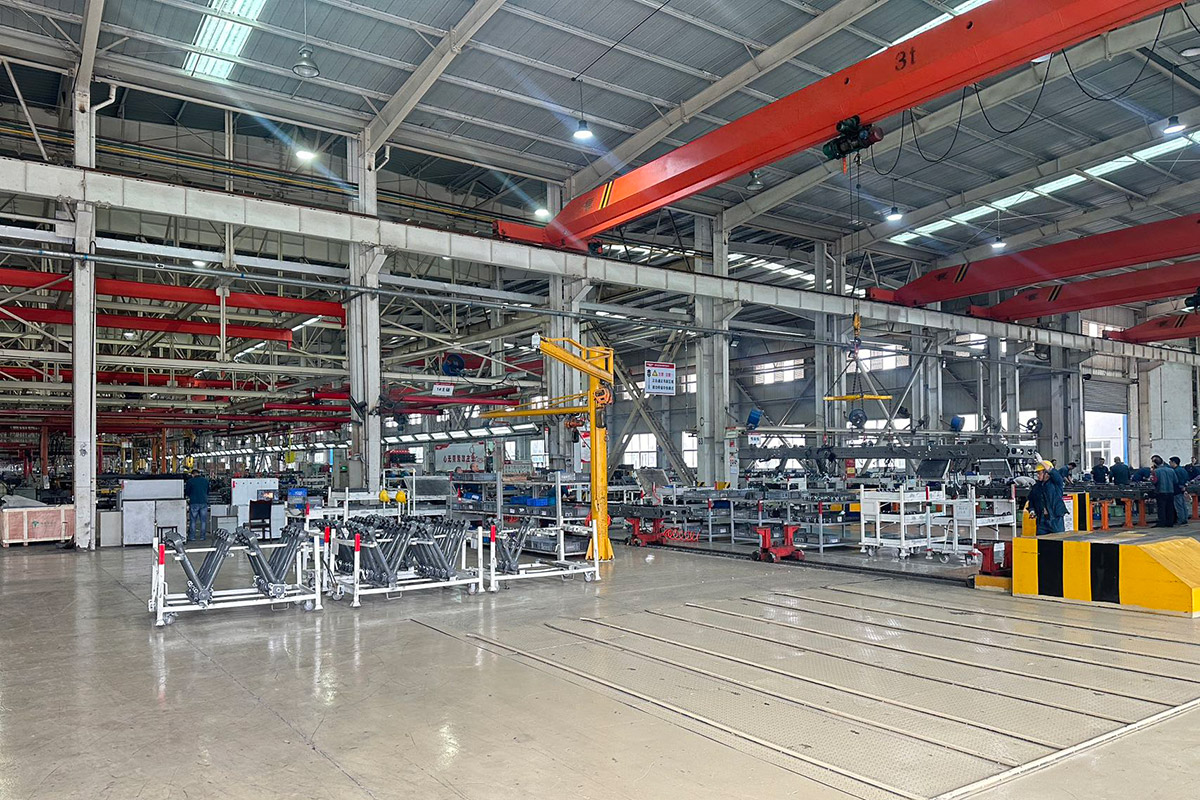
How fleet operators, logistics providers, and mechanics manage exhaust and vehicle durability in high-demand environments.
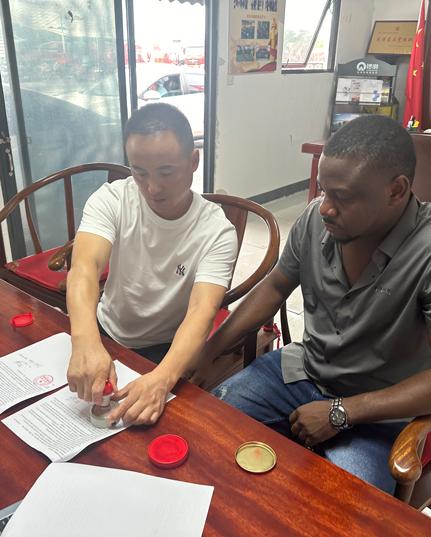
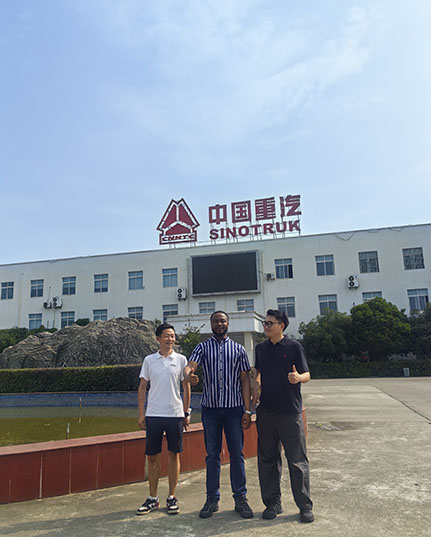
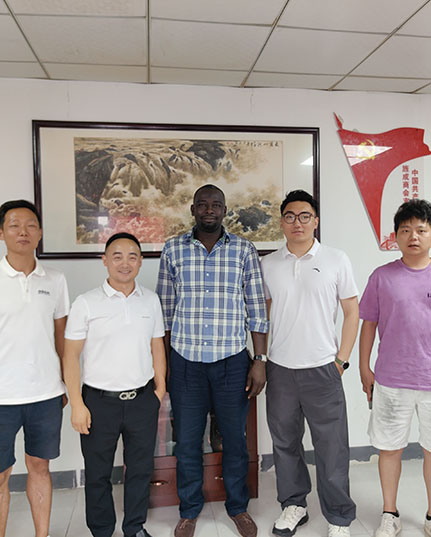
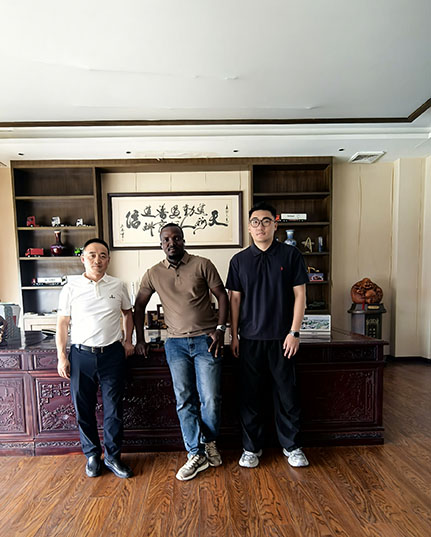
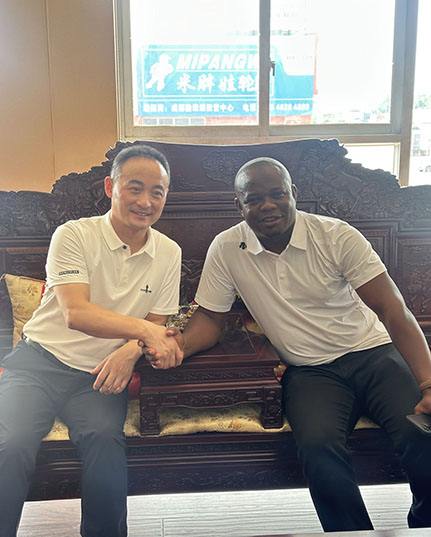
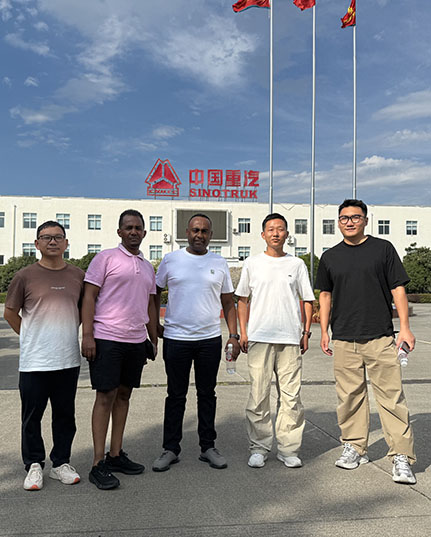
Ensuring compliance, reliability, and precision configuration at every stage of commercial procurement.
We work to thoroughly understand customers' transportation needs, such as cargo types, routes, and load requirements, recommending the most suitable truck models, configurations, and emission routing layouts.
Conducting exhaust backpressure calculation, thermal profiling, and spatial mockups to ensure modular units fit perfectly with global chassis setups, preventing clearance or hot-spot issues during vehicle assembly.
Before delivery, we carry out comprehensive inspection of the heavy vehicles and their subsystems. All exhaust components undergo structural stress checks and leakage verification to guarantee arrival in optimal working condition.
We provide a clear and reasonable warranty structure that defines terms, operational guidelines, and coverage metrics. Our team offers online or offline technical training to help drivers and maintenance staff optimize systems.
Detailed insights from our engineering team addressing common queries about backpressure, emissions, and custom ODM configurations.
When sourcing for Euro IV and V fleets (such as Sinotruk HOWO and Shacman configurations), check the flange thickness (minimum 10mm recommended to prevent warping), weld penetration (TIG welding preferred to prevent gas leaks around catalyst inputs), and bellows resilience. The bellows must support axial expansion without restricting gas velocity.
Engine backpressure directly affects turbocharger efficiency. High backpressure forces the engine to expend energy pumping out exhaust gas, which raises combustion temperatures, increases fuel consumption, and risks turbo seals. Our custom ODM lines prioritize mandrel-bent piping to maintain a constant inner diameter, minimizing turbulence and reducing backpressure.
All vehicles exported by Deyang Hongkai undergo a multi-point inspection. Our technical team verifies exhaust connections, checks the integrity of SCR catalysts and DPF sensors, and tests the exhaust routing for leaks under load. This process ensures the emission system functions properly upon arrival at destination ports.
For high-sulfur diesel applications, AISI 304 stainless steel is the preferred option. It resists acidic condensate formed in the exhaust pipeline during cold starts, preventing premature pinhole leaks common in low-grade steel pipes.
Latest articles and operational updates detailing emissions engineering and fleet management strategies.
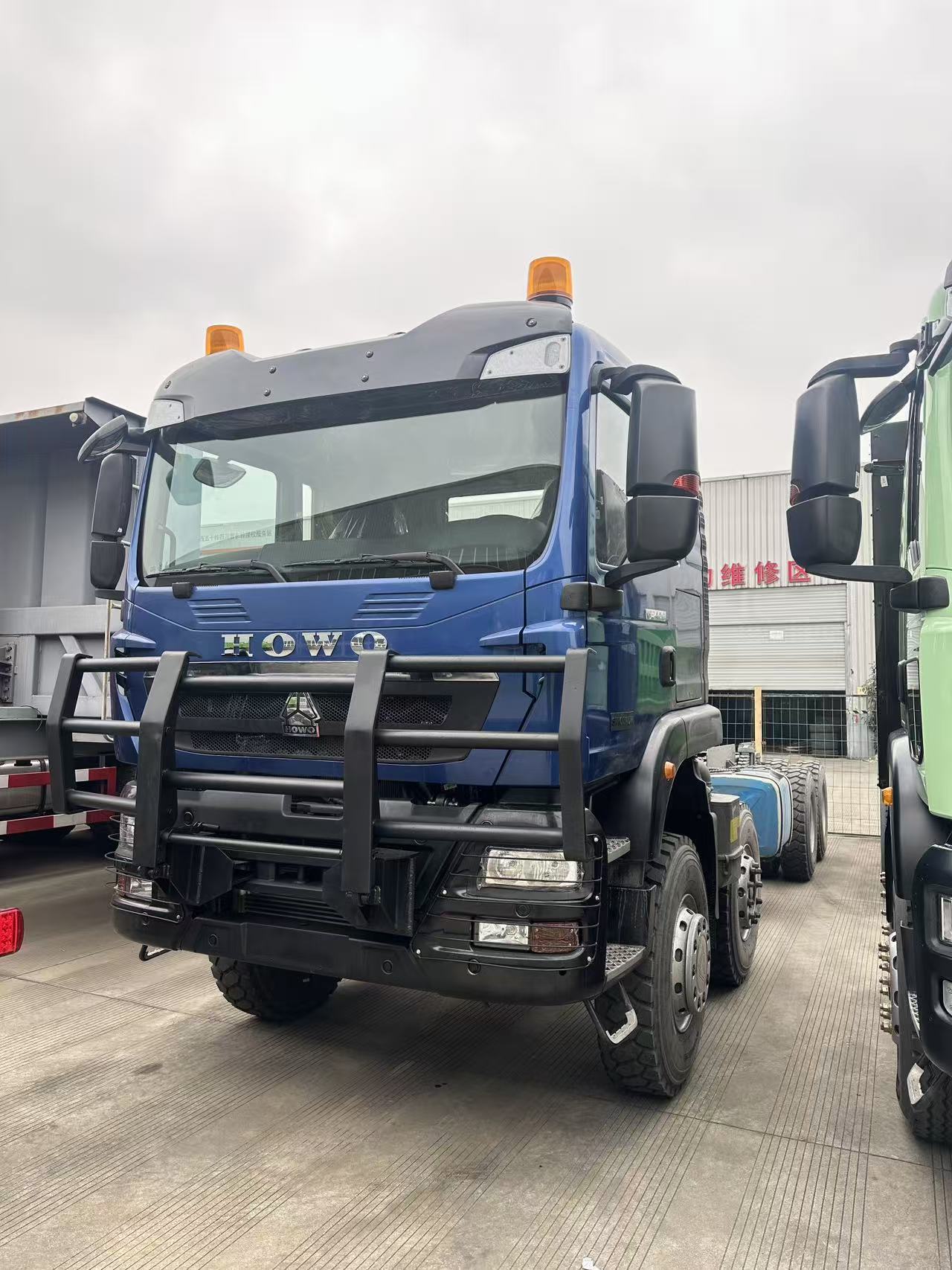
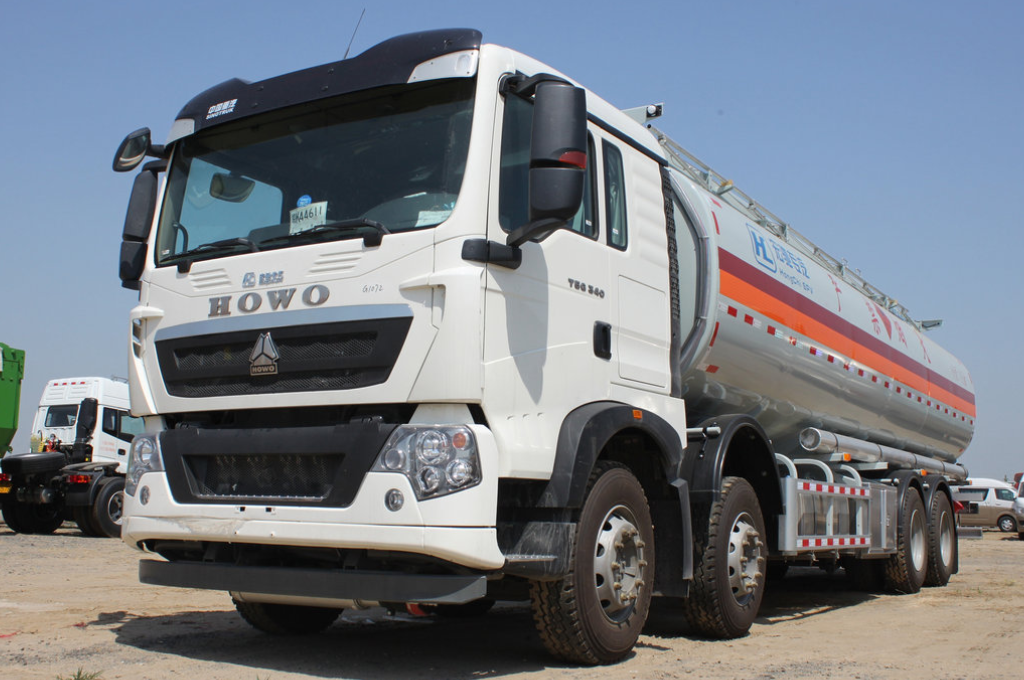
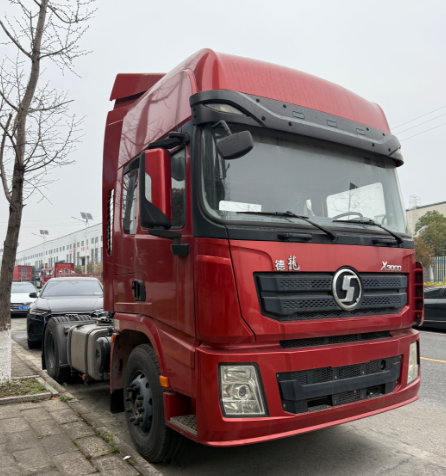
Collaborating with leading brands to integrate certified heavy-duty truck components globally.

Heavy-duty transport platforms built to withstand complex industrial, mining, and road freight operations.