
Engineered for extreme workloads and optimized for key models from SINOTRUK and SHACMAN, delivering high durability and low maintenance costs.
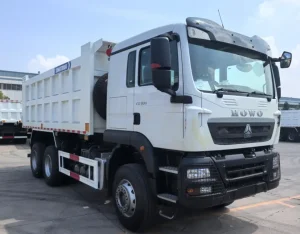
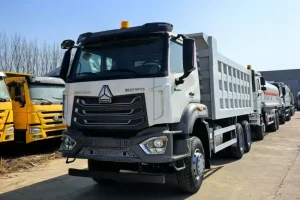
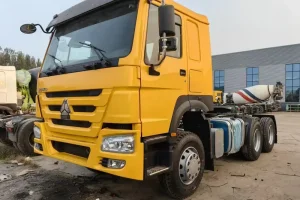
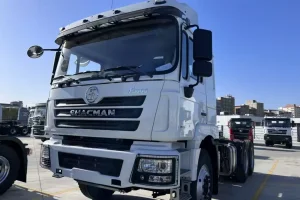
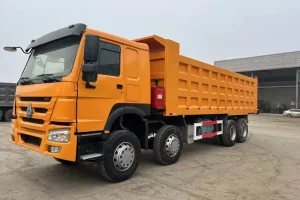
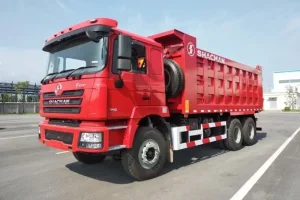
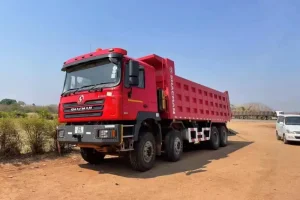
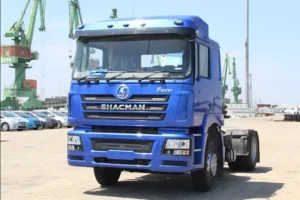
Founded in Deyang City, Sichuan Province, China, Hongkai has evolved from a regional truck trade specialist into an influential power transmission and logistics vehicle solution provider. We focus on matching premium vehicle configurations with high-performance driveline components to deliver reliable solutions for global transport operators.
Our specialized industrial framework combines comprehensive product sourcing, quality inspections, and strategic logistics positioning to reduce total cost of ownership (TCO) for fleets operating in high-demand environments.
In heavy transport operations, the clutch system is the critical link between engine power and the driveline. For heavy-duty trucks generating between 370HP and 420HP (such as the SINOTRUK HOWO TX and SHACMAN F3000 series), the clutch must consistently manage high peak torque outputs (exceeding 1900 Nm) without slipping. Thermal stability and wear resistance are crucial for ensuring power is effectively transferred under load.
To meet these requirements, manufacturers use pull-type diaphragm spring clutch designs. This design offers a higher clamping force as the friction material wears down, compared to traditional push-type coil spring designs. The pull-type configuration also reduces driver pedal effort, which helps lower driver fatigue during long shifts.
"Reliability in power transmission relies on managing friction coefficients. A drop in the friction level under thermal load leads to clutch slippage, which increases heat generation and can cause premature failure of both the pressure plate and flywheel."
Under heavy loads, clutch interface temperatures can exceed 400°C. Standard organic friction linings often suffer from thermal degradation at these temperatures. For this reason, high-performance heavy-duty applications use ceramic-metallic (cerametallic) or sintered metal button clutch discs.
Modern fleets are increasingly moving toward Automated Manual Transmissions (AMT). Unlike manual systems, AMT relies on electro-pneumatic actuators to control clutch engagement. This automated setup requires tighter manufacturing tolerances for the clutch system.
Any variations in the release lever height or diaphragm spring alignment can cause calibration errors in the transmission control unit (TCU). This can lead to rough shifting or clutch dragging. Advanced clutches address this by maintaining precise balance tolerances and using consistent materials to match automated shifting logic.
Predictive wear indicators and self-adjusting pressure plates (such as those used in the SHACMAN X6000 series) help maintain consistent clutch performance throughout the life of the component. These systems automatically adjust for friction material wear, ensuring the release system travel and pedal effort remain consistent. This reduces the need for manual adjustments and extends service intervals.
Our heavy-duty clutch kits undergo rigid dynamic balance testing (within 80 g·mm limit) to eliminate high-RPM vibration and prolong input shaft bearing life.
Common issues like clutch slippage under load, hard shifting, or incomplete release are often linked to dynamic fatigue in the pressure plate diaphragm. Regular inspection of the release fork travel is recommended.
How we support heavy duty fleet efficiency across different regions and operating environments.
On major transport corridors like Lagos-Dakar or cross-border routes in East Africa, vehicles encounter varied road surfaces and dynamic elevations. High-capacity clutches with reinforced friction materials help prevent slippage during gear changes on long climbs, preserving engine efficiency and minimizing trip delays.
In locations like Zambia or South African mining hubs, dump trucks haul heavy payloads out of deep pits. This demands maximum torque transfer from a standing start. Sintered clutch discs provide the high thermal capacity and wear resistance needed to handle repeated heavy launches without failure.
Frequent stop-and-go driving in congested cities like Nairobi or Accra causes rapid heat buildup in the clutch system. Our clutches utilize multi-stage cooling grooves in the pressure plate casting to help dissipate heat quickly, extending clutch life in city driving conditions.
Explore our vehicle inventory, testing setups, and engineering capabilities in our interactive virtual tour.
We support heavy-duty operations globally through structured services, including custom manufacturing and technical training.

We work with fleet operators to analyze transport requirements—such as cargo type, route topography, and typical payloads—to match vehicle models and configurations to the application.

Every vehicle undergoes a detailed multi-point inspection before delivery. This includes testing performance limits, safety systems, and verifying system calibrations to ensure the truck is ready for immediate service.

We provide transparent warranty policies that outline coverage periods and terms. This helps fleet managers plan maintenance schedules and manage long-term operating costs.

We offer technical consultation to resolve operational questions. We also conduct training sessions for fleet drivers and mechanics to help optimize driving habits and maintenance practices, which can reduce clutch wear.
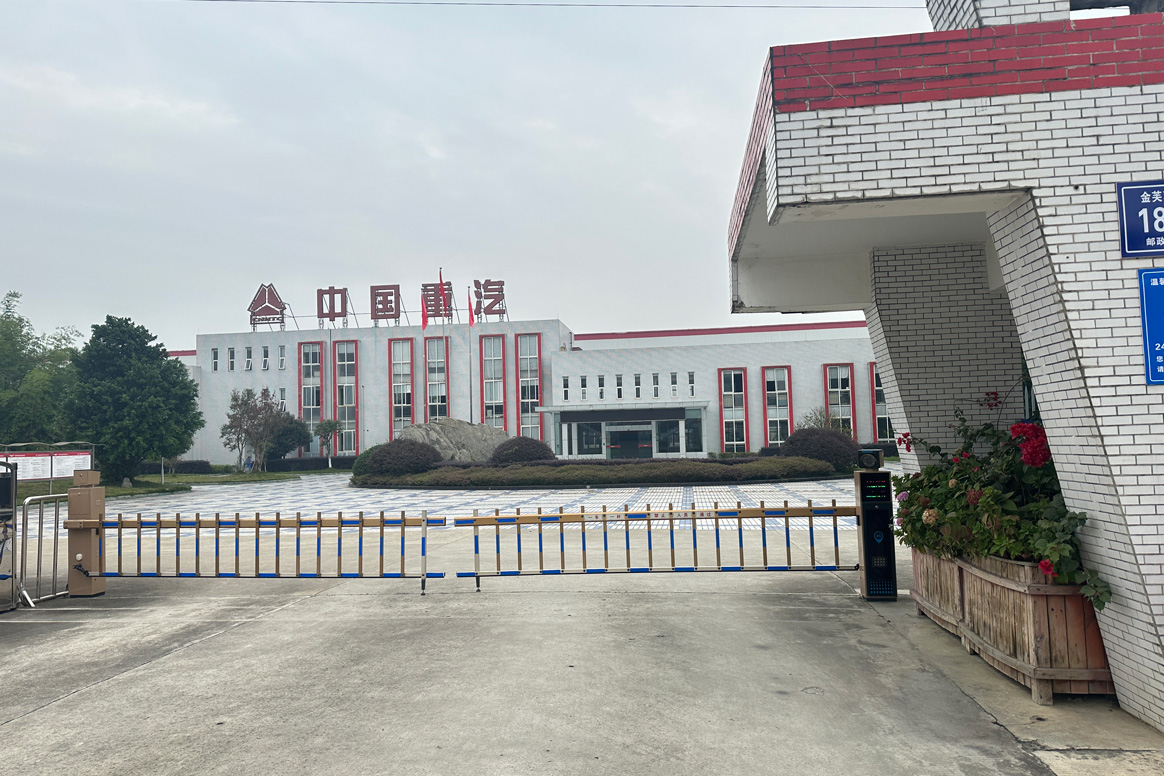
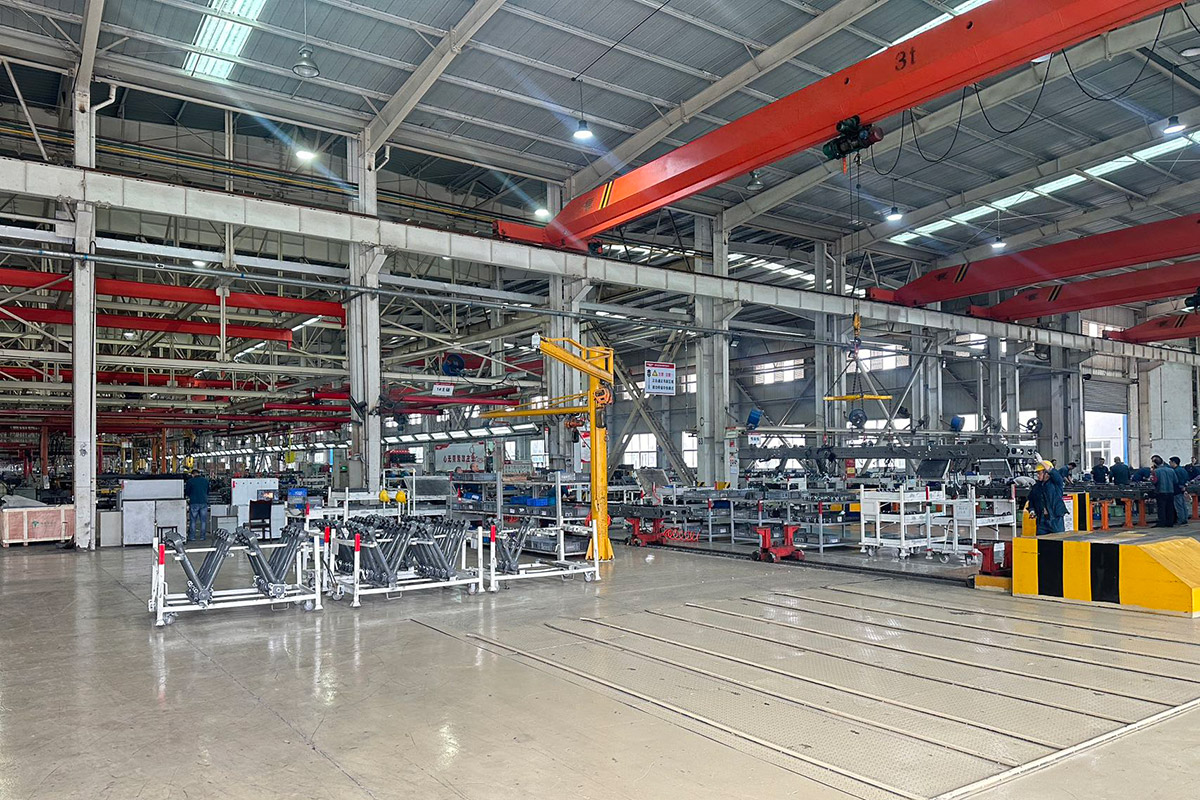
Collaborating with global automotive suppliers and transport companies to deliver reliable products and support.






How drivers, mechanics, and logistics managers evaluate vehicle and driveline performance in demanding environments.
"As a driver involved in long-distance logistics for many years, I am very demanding of my trucks. Choosing these models has proven to be a solid decision for our daily operations, especially given the consistent power transmission."
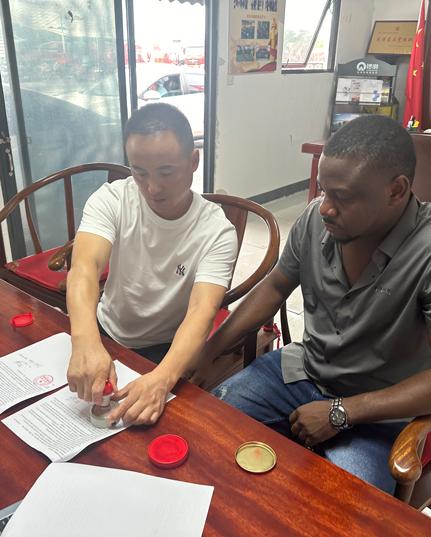
"Running cross-border routes between Tanzania and Kenya involves long waiting times at borders. The large fuel tank capacity and overall mechanical reliability of these trucks keep our cargo moving without unexpected downtime."
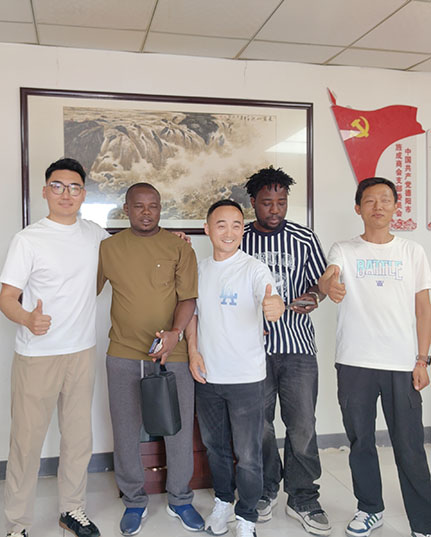
"Operating in the dusty and humid environments of Douala, Cameroon, places extra demand on cooling systems and seals. These engines and clutches hold up well against local climate challenges, keeping maintenance needs predictable."
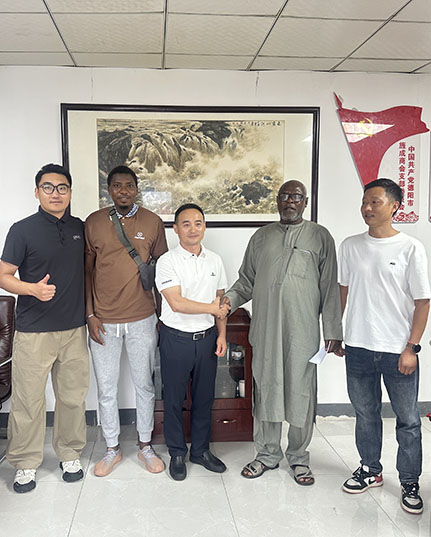
Stay informed with technical updates, vehicle configuration guides, and export news from our team.
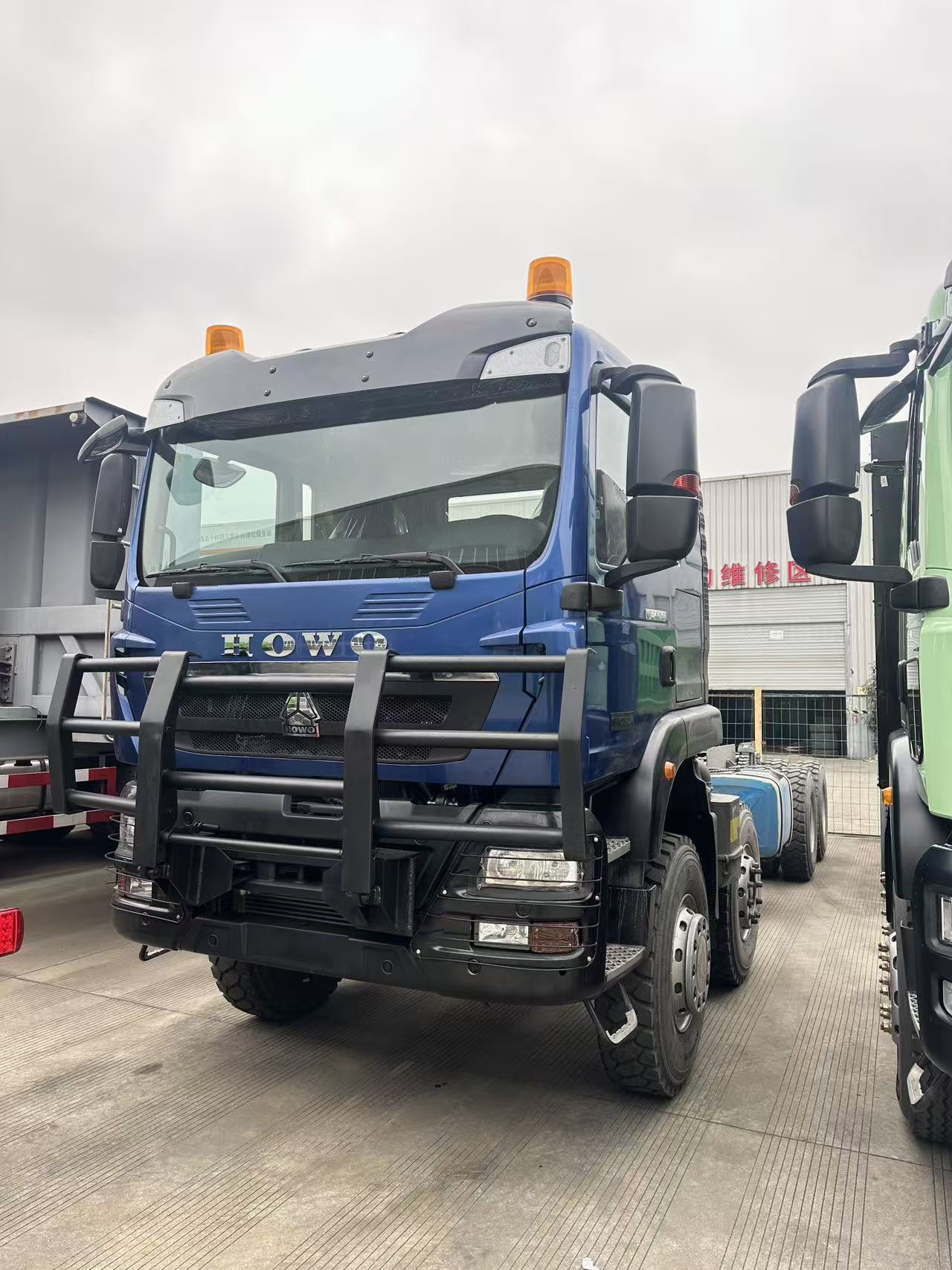 Tech Trend
Analyzing the performance data of export-grade Sinotruk HOWO TX 8x4 dump trucks equipped with reinforced diaphragm clutch assemblies for heavy-haul operations.
Read Article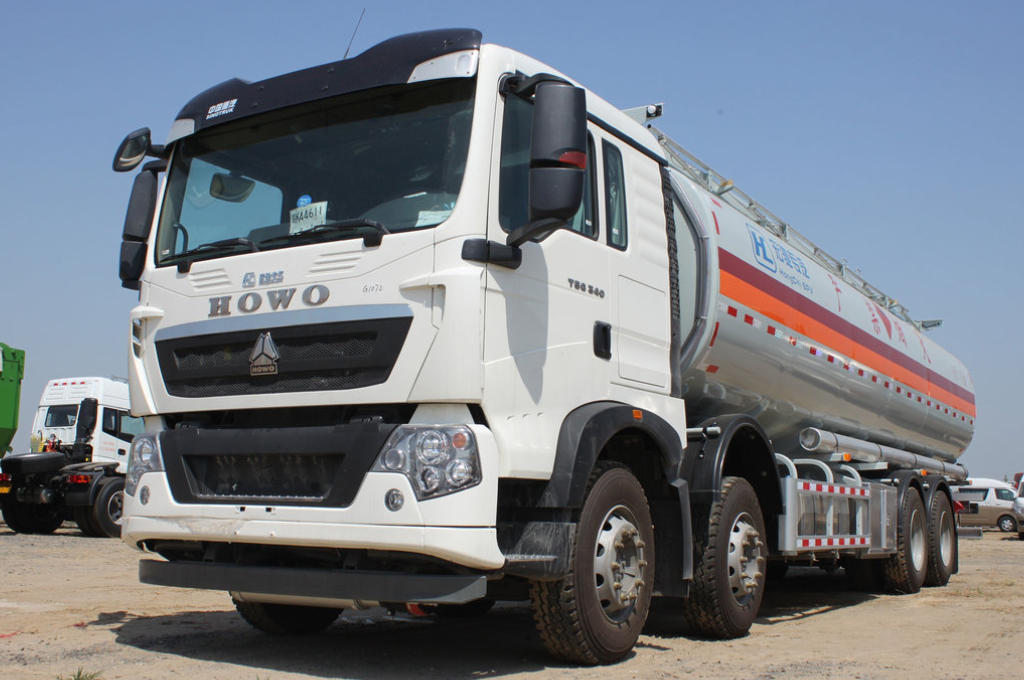 Driveline Design
Examining the relationship between clutch clamp load and transmission efficiency in specialized tanker configurations operating under fluid load dynamics.
Read Article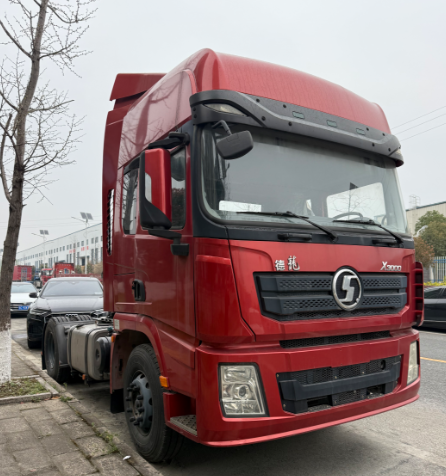 OEM Guide
A detailed look at the 430HP powertrain pairing in Shacman X3000 tractors and the selection process for clutch systems to handle high torque rise.
Read ArticleAnswers to common operational questions regarding heavy-duty clutch systems and driveline maintenance.
Key symptoms include an engine RPM increase without a matching increase in road speed, a burning smell from the bell housing during shifts, and reduced torque transfer on steep climbs. If slippage occurs, inspect the pressure plate clamping force and the friction disc thickness immediately to prevent damage to the flywheel.
Pull-type clutches use a linkage design where the release bearing pulls directly on the diaphragm spring fingers to disengage. This design provides more efficient leverage, which lowers the required pedal force and allows for higher pressure plate clamping forces compared to equivalent push-type clutches.
An unbalanced clutch assembly creates high-frequency vibrations at high engine speeds. This vibration can cause accelerated wear on the gearbox input shaft splines, damage the main bearings, and lead to early fatigue in the transmission housing. We maintain a dynamic balance tolerance within 80 g·mm to minimize these risks.
Organic friction materials are generally not recommended for mining tippers or heavy off-road vehicles. These applications involve repeated heavy launches under load, which generates heat that can cause organic linings to degrade quickly. Ceramic-metallic buttons or sintered metal linings are better suited for managing these high thermal demands.
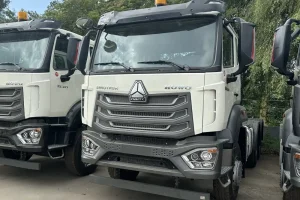
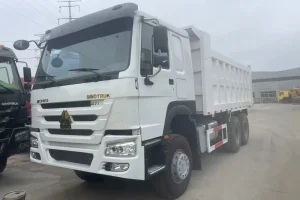
Our primary tractor heads and heavy-duty dump trucks are engineered to maintain high driveline reliability under challenging operating conditions.
Contact our engineering support team to request detailed data sheets, component options, and fleet pricing.