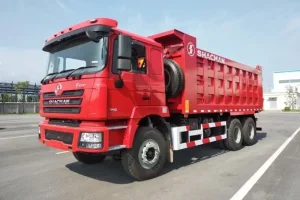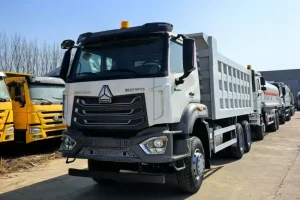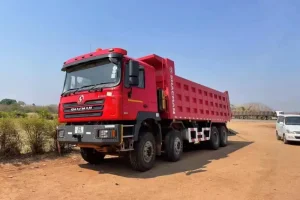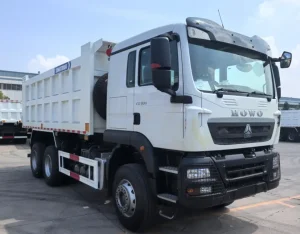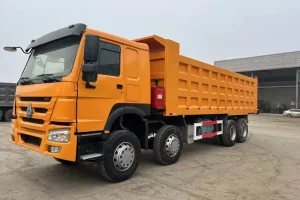
High-efficiency power, heavy payloads, and industry-leading performance parameters.
The global heavy-duty machinery market is experiencing a profound transition toward electrification. Driven by international climate mandates, ESG corporate governance, and fluctuating fossil fuel prices, multi-national logistics and mining corporations are restructuring their operations. Electric dumper trucks represent the frontier of this ecological conversion, combining carbon neutrality with high-capacity performance. By shifting from traditional internal combustion to advanced high-voltage electric motor architectures, operations reduce localized tailpipe emissions to zero, mitigating particulate matter and noise pollution in vulnerable geological zones and urban municipalities alike.
Recent studies in industrial total cost of ownership (TCO) show that while initial capital expenditures (CAPEX) for heavy electric platforms remain higher than diesel alternatives, operational expenditures (OPEX) decrease dramatically. Electric drivetrains exhibit minimal wear parameters compared to multi-speed mechanical transmissions and high-stress piston engines. In applications such as continuous cycle downhill haulage—common in open-pit mines—integrated regenerative braking systems capture massive gravitational energy, channeling it back into the high-capacity battery bank. This increases system range while mitigating brake drum wear and heat signature accumulation.
Understanding the dynamic shift requires analyzing performance metrics. The integration of high-density Lithium Iron Phosphate (LFP) chemistry ensures thermal runaway thresholds are maximized, offering safe operating metrics in harsh conditions. Below is an engineering comparison matrix depicting performance differences between typical diesel configurations and next-generation battery-swappable electric heavy vehicles.
| Performance Indicator | Conventional Diesel (e.g., 371-420HP) | Electric Heavy Dumper (LFP battery pack) | Operational Impact |
|---|---|---|---|
| Energy Conversion Efficiency | 30% - 35% (Thermal Loss) | 85% - 90% (Direct electrical drive) | Lower thermal footprint, reduced energy costs |
| Torque Characteristics | RPM-dependent curve peaking mid-range | Instant maximum torque at zero RPM | Excellent gradeability and initial launch under load |
| Braking System Longevity | Frequent pad and drum replacement (thermal stress) | Extended lifespans through active regenerators | Over 50% decrease in mechanical wear components |
| On-Site Noise Emission | 95 - 110 dB (A) | 65 - 75 dB (A) | Enhanced operator safety, compliant with urban limits |
| Daily Maintenance Overhead | High (Filters, oil changes, injector tuning) | Low (Diagnostic checks and coolant cooling checks) | Decreased unscheduled down-time |
Exposing the manufacturing superiority, vertically integrated supply chains, and technological scale.
China is home to the world's most robust lithium battery production ecosystem. Over 70% of global battery refining capacity and cell manufacturing occurs in Chinese industrial hubs. This enables close-proximity vertical integration, linking research institutes, pack assembly facilities, and vehicle builders like Sinotruk and Shacman. Procurement through these channels guarantees access to premium cells (LFP & NMC) at optimized unit pricing, with minimal logisitcal overhead.
Unlike standard charging layouts that risk production bottlenecks, Chinese manufacturers lead the commercialization of heavy battery swapping systems. Station designs enable a dumper platform to swap its depleted battery pack for a 100% charged block in under 5 minutes. This minimizes charging downtime, matching the operations workflow of diesel-fueled fleets and maintaining 24/7 productivity.
Leading Chinese exporters configure platforms in compliance with international certifications including CE, ADR, and ECE regulations. Robust testing tracks structural stress on mining cabs, battery impact tolerances, and electrical isolation integrity in humid or dusty mining sites. This keeps operations compliant with global standards, guaranteeing safety and long-term asset value.
Explore our advanced logistics capabilities and 360-degree assembly line overview.
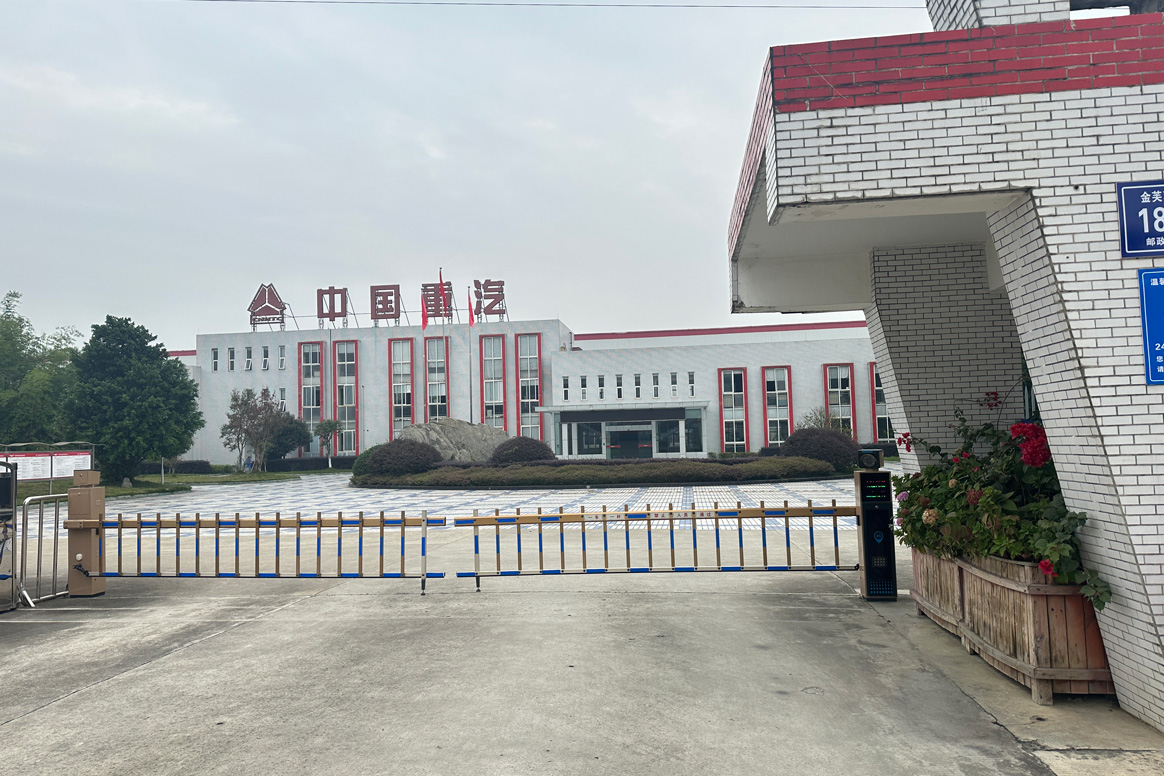
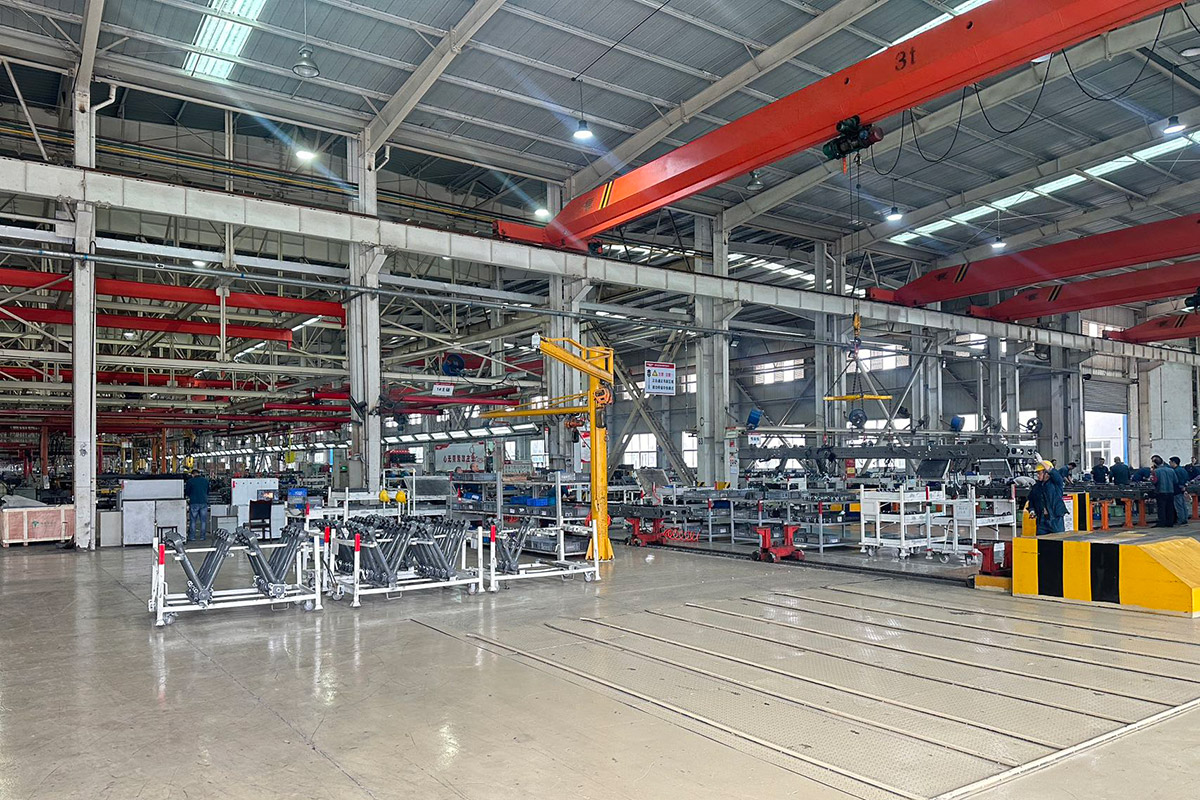
Founded in Deyang City, Sichuan Province, China, focusing on truck trading in China's domestic market in the start-up phase, and successfully establishing an initial customer network in the local market.
High efficiency power system, predictive power control, intelligent thermal management and outflow field optimization and other enhancements has made the X6000 series into a class leading vehicle platform.
View More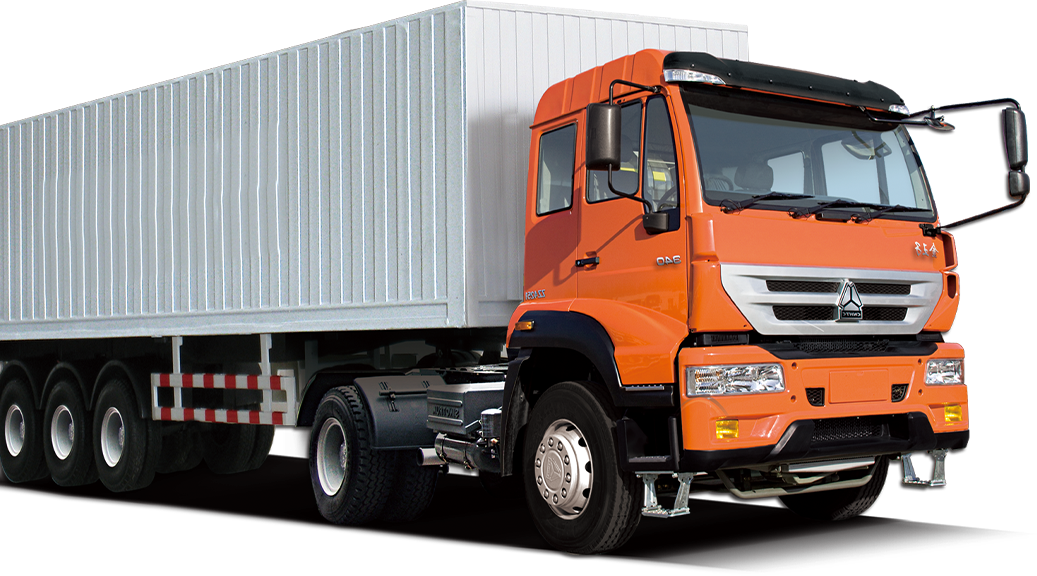
Deploying electric drive solutions across distinct commercial and industrial ecosystems.
In deep open-pit environments, heavy payloads run down slope to processing hubs. Implementing electric dumpers allows operators to harness regenerative braking, converting potential gravitational energy into electric energy. This charges battery packs on the descent, increasing overall round-trip runtime and reducing mechanical brake heat cycles.
Municipalities globally mandate strict noise and exhaust thresholds. Electric trucks operate silently below typical urban noise baselines and produce zero indoor greenhouse gases. This makes them highly suitable for underground excavation projects and nighttime civil development.
Industrial processing zones require predictable, high-frequency hauling cycles. Fixed routes simplify charging design layout, allowing the integration of high-powered automated charging portals. Automated vehicle systems operate continuously, delivering low operating costs per metric ton.
Join us and become our strategic partner in the global heavy transport sector.


Provides ODM/OEM services. Jingxin enjoys a good reputation in the global microwave industry, with its components mainly exported to overseas markets, 50% in Europe, 40% in North America, and 10% in others.

Demand Analysis: Thoroughly understand customers' transportation needs, such as cargo types, transportation routes, load requirements, etc., and recommend the most suitable truck models and configurations for them.

Technical Consultation and Training: Provide 24-hour technical consultation service for customers to answer technical questions encountered during vehicle use. Regularly organize online or offline training for drivers.

Vehicle Preparation and Inspection: Before vehicle delivery, conduct a comprehensive preparation and strict inspection of the truck, including exterior cleaning, performance debugging, safety testing, etc.

Warranty Policy Formulation: Formulate a clear and reasonable warranty policy, stipulating the warranty period, warranty scope, warranty conditions, etc., clearly publicize it to customers and strictly implement it.
Stay updated with our latest technology innovations and global project rollouts.
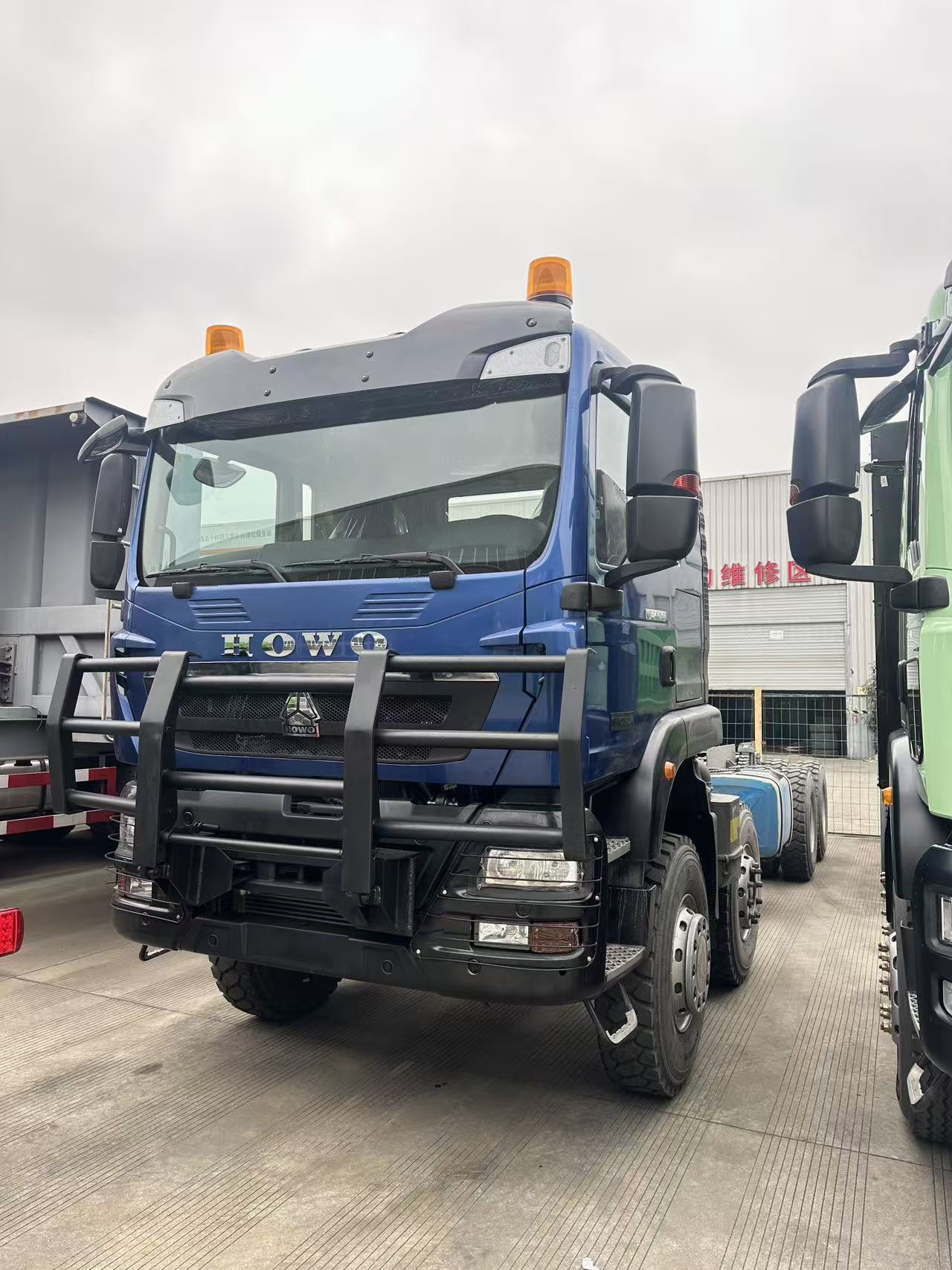
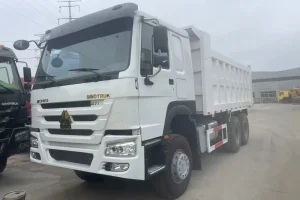
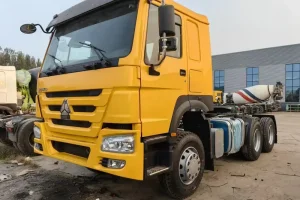
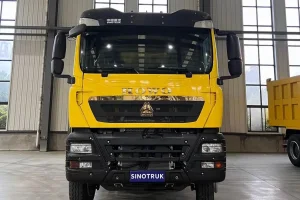
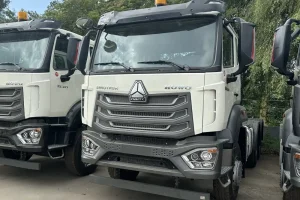
We supply genuine Sinotruk HOWO TX 8x4 dump trucks with factory chassis. 80% of our overseas orders choose this reliable chassis platform.
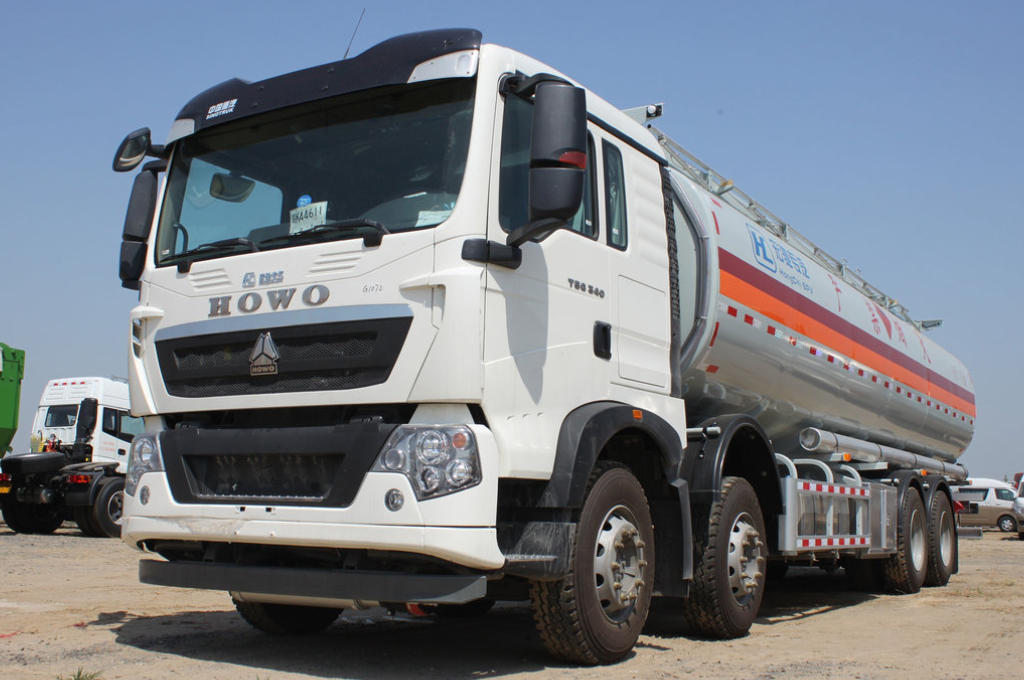
The HOWO TX 8×4 Fuel Tanker Truck delivers powerful performance, large‑volume tank capacity, and industry‑leading safety measures.
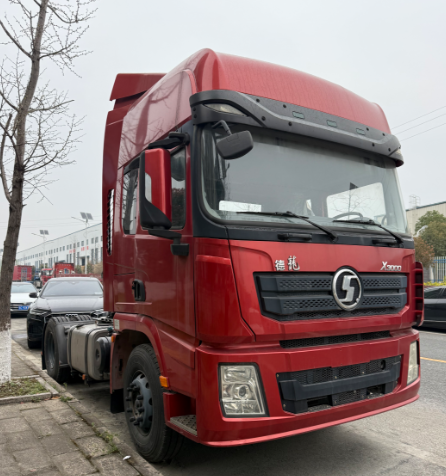
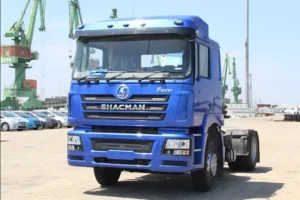
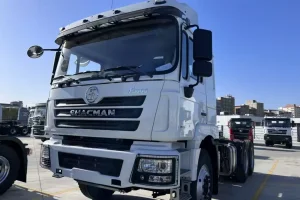
2023 Brand New Shacman X3000 4×2 Tractor Truck. Powered by 430HP Weichai WP12 engine, this heavy-duty truck ensures robust reliability.
Direct testimonials and operational performance updates from global logistics and mining operators.
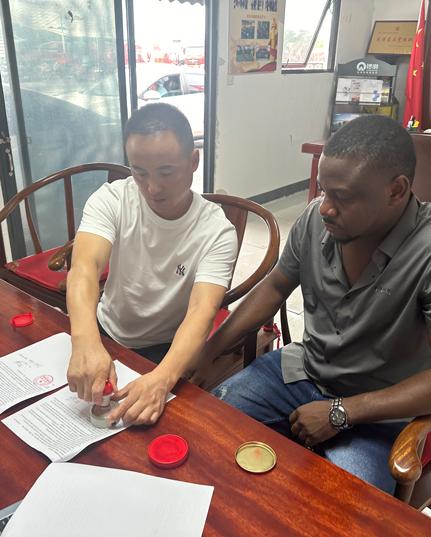
"As a driver and fleet manager involved in long-distance logistics transportation for many years, I am extremely demanding of my trucks. I chose them over a wide range of makes and models, and it was definitely one of the smartest business decisions I've made in recent years."
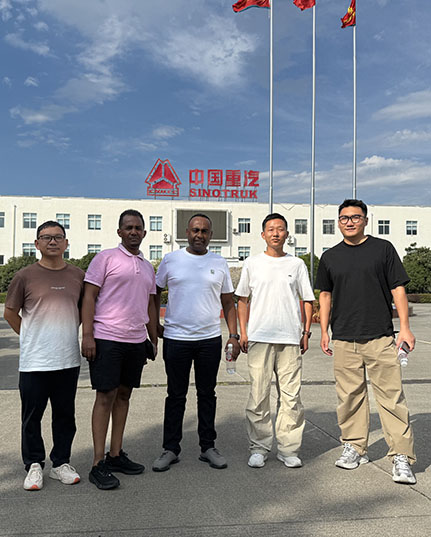
"As a Lagos-Dakar long-haul driver, I've tackled Africa's diverse roads. This truck's suspension and engine power handle potholes and dust like a champ—my go-to for cross-border hauls."
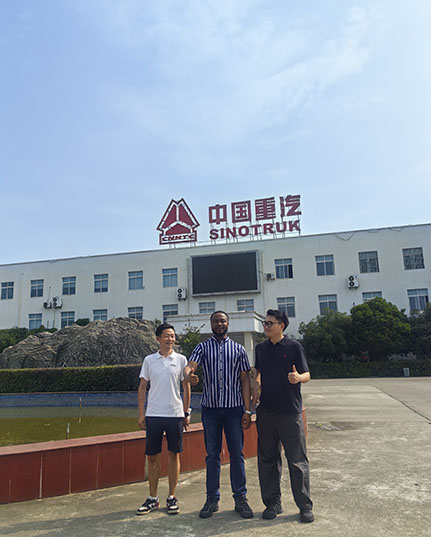
"Running a Nairobi logistics firm, we need trucks that survive Africa's heat and rough terrain. This model's durability and low maintenance costs keep our fleet moving."
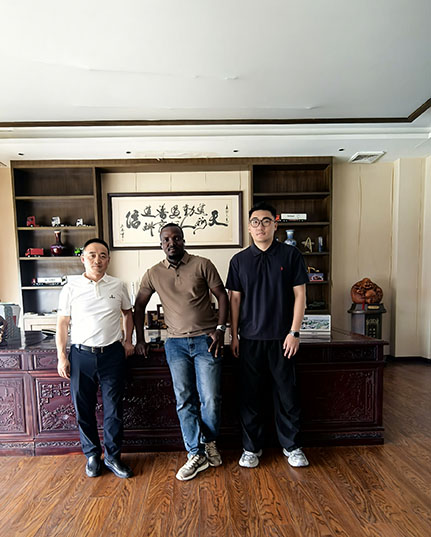
"Operating a mining supply business in Zambia, our trucks haul heavy equipment daily. This dump truck's torque and payload capacity make our operations efficient."
When selecting electric dumper trucks, procurement managers evaluate the return on investment (ROI) profile. Compared to traditional diesel trucks, electric platforms reduce recurring operational costs. The removal of common internal combustion failure points (such as high-pressure injection rails, SCR urea catalytic convertors, turbochargers, and complex multi-ratio automatic gearboxes) reduces maintenance overhead. This keeps vehicles operating and generating revenue for longer periods.
Energy cost variance also supports electrification. Electricity rates are typically more stable than retail diesel pricing, providing better operational cost predictability. High-output operations, such as municipal waste processing, urban tunneling, and open-pit mining, benefit from lower costs per ton. Utilizing onsite energy generation, such as industrial solar farms, further reduces operational fuel overhead.
To successfully integrate electric heavy trucks into existing operations, engineering teams look at configuration specifics. Standard setups incorporate modular battery architectures, allowing organizations to select energy capacities based on payload needs. Thermal management remains critical; vehicles feature active liquid cooling system loops to keep batteries within optimal temperature ranges during high-rate charging and heavy hill climbs.
Chassis designs incorporate structural steel to handle high-torque drives, keeping axles and suspension components aligned under heavy loads. Dual-motor architectures with electronic differentials balance wheel traction in challenging off-road conditions, delivering reliable gradeability without mechanical transfer cases.
Essential technical and procurement insights for electric heavy vehicle integration.
Examine our comprehensive lineup of tractor heads and heavy-duty tippers configured for global operations.