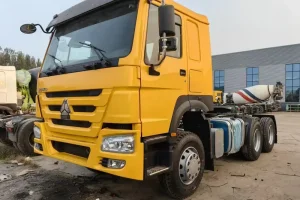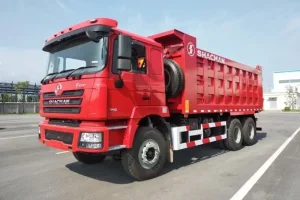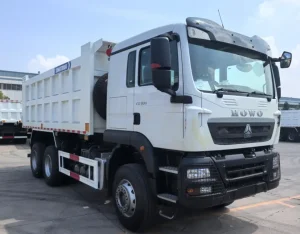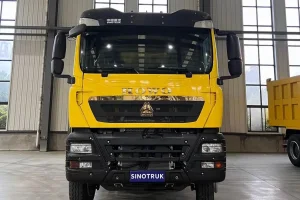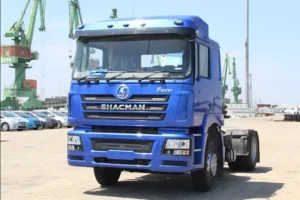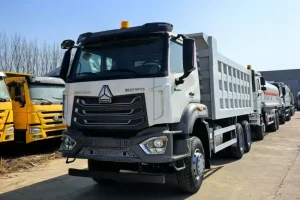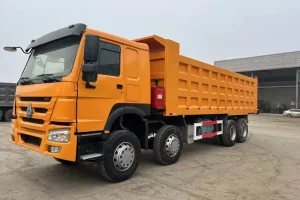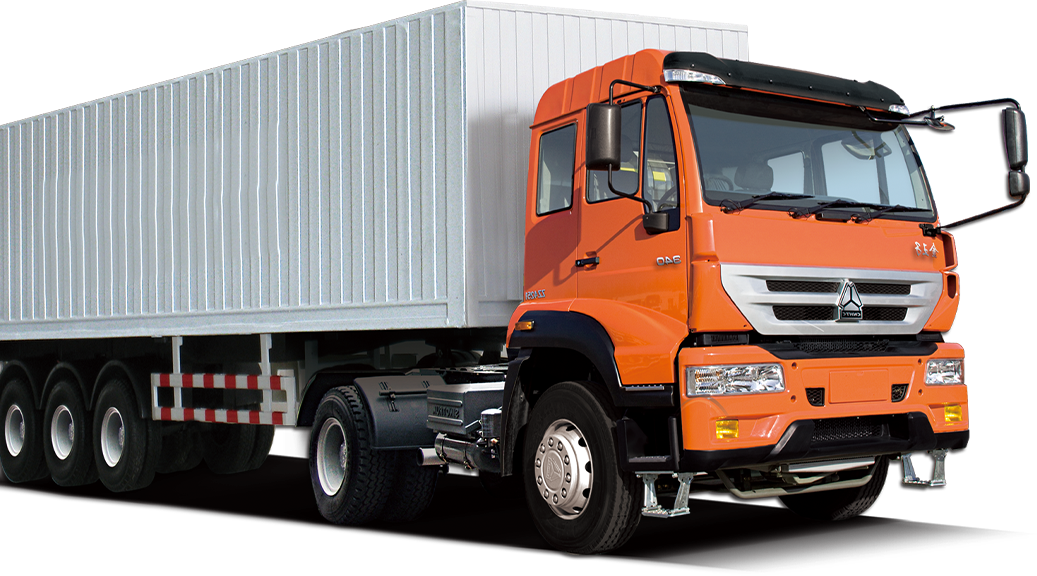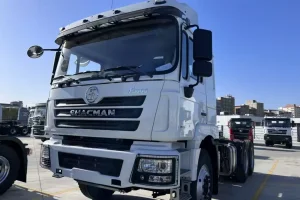
Explore our range of heavy-duty vehicles, tractor trucks, and tippers integrated with certified fuel tank systems.
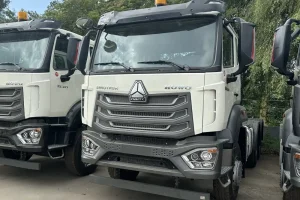
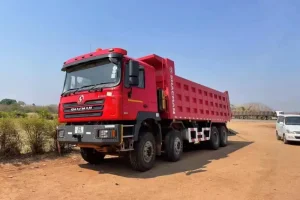
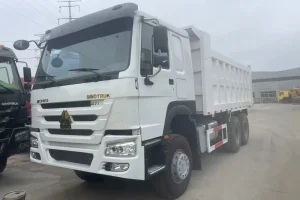
In the globalized logistics sector, commercial transport fleets rely heavily on heavy-duty vehicles with fuel configurations optimized for extended ranges. The fuel tank is not merely a container; it is a critical component engineered to withstand severe dynamic forces, internal pressure variations, and catastrophic impacts. Obtaining a CE Certification indicates that fuel storage systems comply with stringent European directives, ensuring safe containment under mechanical stress and extreme thermal exposures.
Specifically, compliance requires adhering to European standards such as UN ECE Regulation No. 34 (Prevention of Fire Risks). Exporters must undergo rigorous quality assessment protocols, checking for leakage resistance, pressure testing at minimum safety factors, and collision stability. For global purchasers, buying CE-certified fuel system trucks ensures high operation continuity, reduced legal liability, and seamless customs clearing.
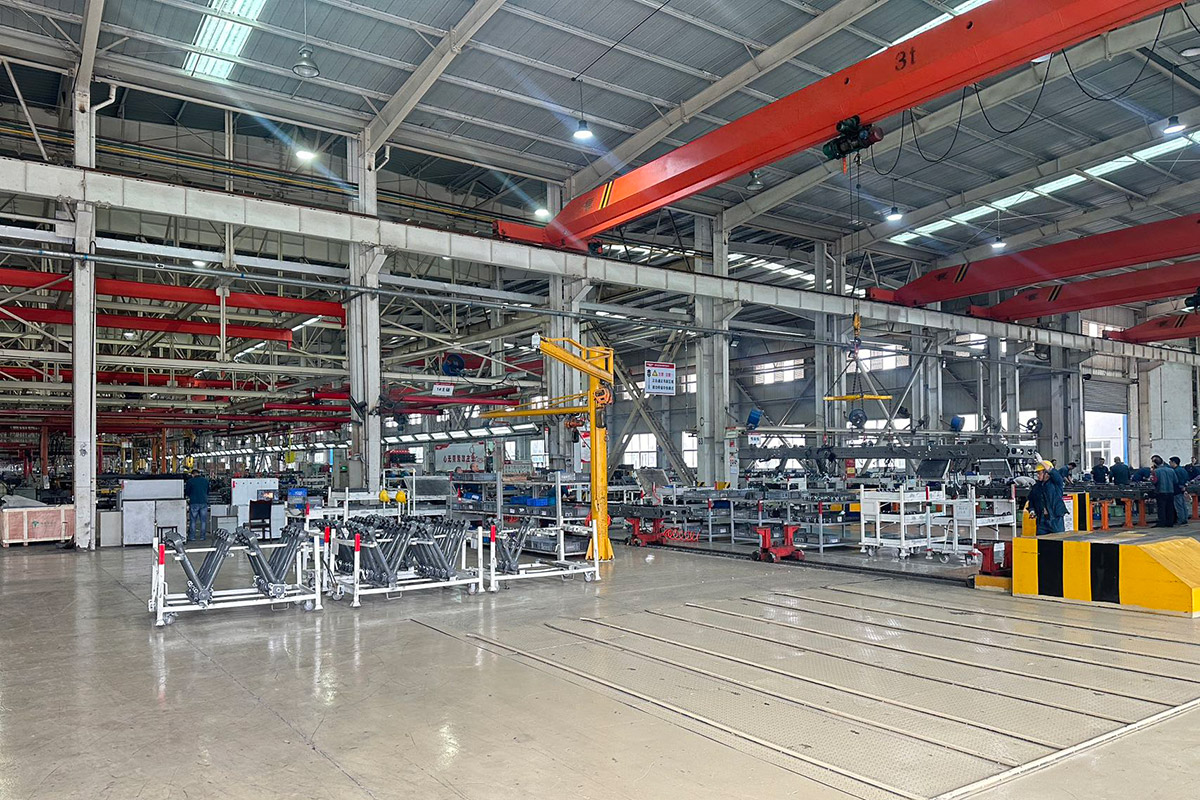
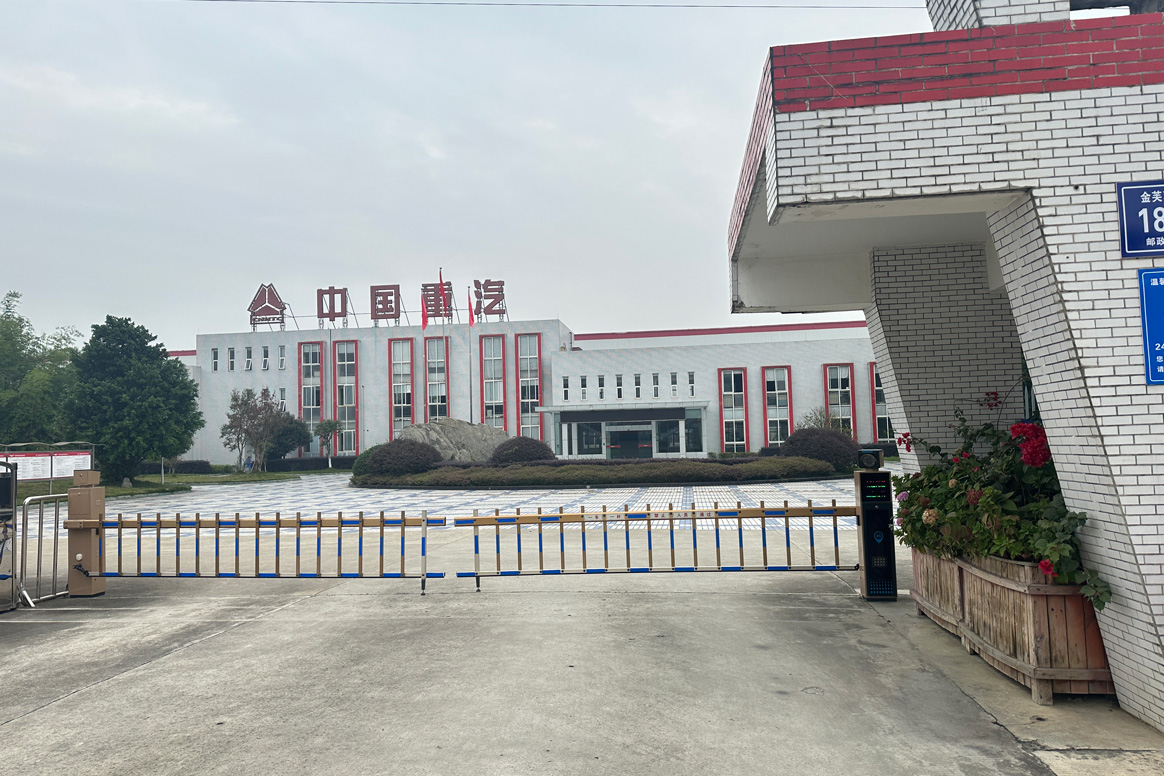
Deyang Hongkai Auto Trading Co., Ltd. is based in Sichuan Province, China. The company originated focusing on domestic truck distribution networks and quickly expanded into a premier global logistics vehicle partner. Our manufacturing and inspection facilities encompass sophisticated technologies dedicated to vehicle diagnostic optimization and compliance checks.
Our strategic partnerships with major brands like Sinotruk and Shacman allow us to distribute high-caliber trucks featuring advanced fuel delivery systems, optimizing operating costs across varying topographies.
Experience the synergy of high-efficiency powertrains, thermal management systems, and optimized structural components.
Integrating fuel tanks on platforms like the X6000 and Howo TX models requires balancing spatial constraints and weight distribution. Predictive power controls adjust drivetrain inputs to maximize fuel system efficiency.
Advanced thermal management keeps the diesel at optimal viscosities even in extreme sub-zero or high-temperature environments, preventing wax precipitation and maintaining continuous engine output.
Our configurations adapt fuel tanks for regional standards, shifting between lightweight aluminum modules for highway transport and steel reservoirs for heavy off-road work.
A technical examination of weight, corrosion resistance, and safety design factors in commercial fuel storage.
| Performance Parameters | Aluminum Alloy (AlMg3 / 5052-H32) | Carbon Steel (DD11 / Q235) | Stainless Steel (304 Grade) |
|---|---|---|---|
| Density (Specific Gravity) | ~2.7 g/cm³ (Lightweight benchmark) | ~7.85 g/cm³ (Heavy structural weight) | ~7.93 g/cm³ (Extreme durability, heavy weight) |
| Corrosion Resistance | Excellent (Self-passivating oxide layer) | Poor (Prone to oxidation if unlined) | Superior (Highest chemical endurance) |
| Internal Anti-Slosh Baffles | Required (Integrated mechanical panels) | Required (Standard welded plates) | Required (Premium welded baffles) |
| Manufacturing Flexibility | High (Allows complex geometries via extrusion) | Medium (Standard stamping/rolling) | Low (Difficult to press in intricate shapes) |
| Ideal Application Scenario | Long-distance logistics, payload optimization | Heavy mining tippers, budget fleet additions | Corrosive chemicals, food transport systems |
Before receiving CE certification, fuel tanks undergo Finite Element Analysis (FEA) simulation. The model simulates pressure spikes during rapid stops or rear-end collisions. Structural reinforcements are strategically placed along weld seams to absorb energy and prevent fuel dispersion.
Uncontrolled fuel movement within high-volume tanks (600L–1000L) can upset vehicle balance. Multi-chamber designs featuring internal perforated baffles dampen fluid movement, keeping the truck stable through quick maneuvers and tight corners.
The design landscape for commercial vehicle fuel storage is shifting rapidly under pressure from both climate regulations and efficiency requirements. Future fuel tanks will likely transition toward hybrid structures, combining composite materials with high-strength alloys. These new designs aim to cut tare weight further while satisfying tough safety requirements like the updated CE/ADR guidelines.
Another focus area is the integration of smart sensors directly into the fuel cell housing. These sensors do more than read levels; they track fuel density, detect water accumulation, and provide predictive maintenance alerts for fuel filters.
As green fuels like bio-diesel and hydrogen blends grow in popularity, designers are developing inert interior linings to prevent chemical breakdown and prolong fuel system service life.
Strategic relationships driving high standards in quality assurance, component integration, and international export.






Comprehensive OEM, ODM, and logistical services to facilitate smooth integration into your fleet operations.
Thorough alignment with your routes, load profile, and target safety regulations. We assist in matching vehicles with optimized fuel capacities.
24/7 technical support. We provide maintenance training for mechanics and supply schematic details for quick fuel line repairs.
Thorough physical and functional inspections are conducted on every vehicle before shipping. We clean, pressure-test, and debug fuel lines for direct deployment.
Straightforward warranty policies protecting key structural elements. We minimize downtime by quickly shipping genuine spare parts.
In-depth responses regarding manufacturing compliance, durability testing, and maintenance practices.
Direct reports from logistics networks, site operations, and drivers utilizing our heavy-duty platforms worldwide.
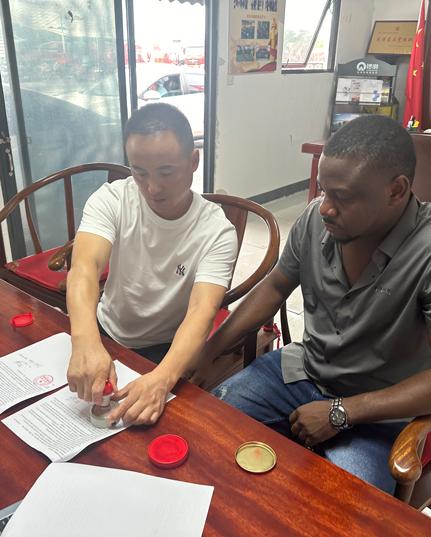
"As a driver who has been involved in long-distance logistics transportation for many years, I am extremely demanding of my trucks. I chose them over a wide range of makes and models, and it was definitely one of the smartest business decisions I've made in recent years."
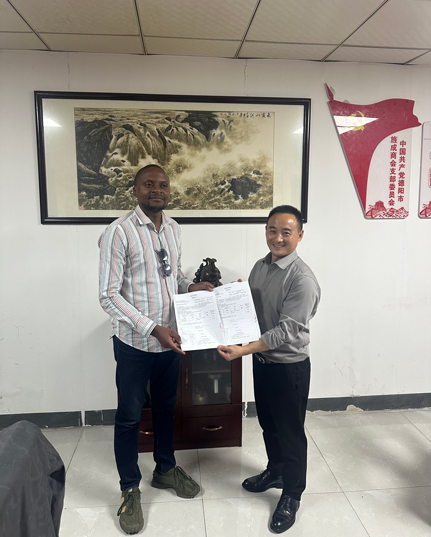
"Managing a logistics hub in Luanda, Angola, we need trucks that handle long distances. This truck's comfort and fuel efficiency make long hauls less tiring. The large capacity aluminum tanks withstand our remote highway routes with zero leakage."

"I run a small freight transportation company and recently acquired a number of them, and I can't help but give them a big thumbs up after using them with remarkable results! Their fuel economy has exceeded my expectations."
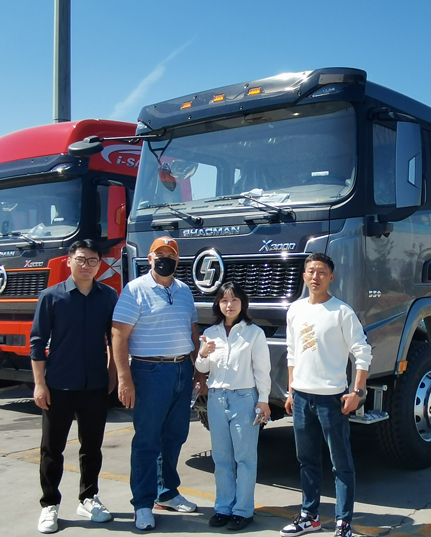
"As a truck driver who frequently runs mountain routes, the power performance of their truck is simply a blessing to me. It is equipped with an advanced powertrain that delivers more power and torque than I ever expected."

"Running a Nairobi logistics firm, we need trucks that survive Africa's heat and rough terrain. This model's durability and low maintenance costs keep our fleet moving. The fuel systems show zero structural fatigue even on washboard dirt roads."

"Operating a mining supply business in Zambia, our trucks haul heavy equipment daily. This dump truck's torque and payload capacity make our operations efficient. Clean fuel delivery ensures engine reliability under heavy loads."
Stay informed with current updates on heavy truck design, tank systems, and global export trends.
 NEWS INSIGHT
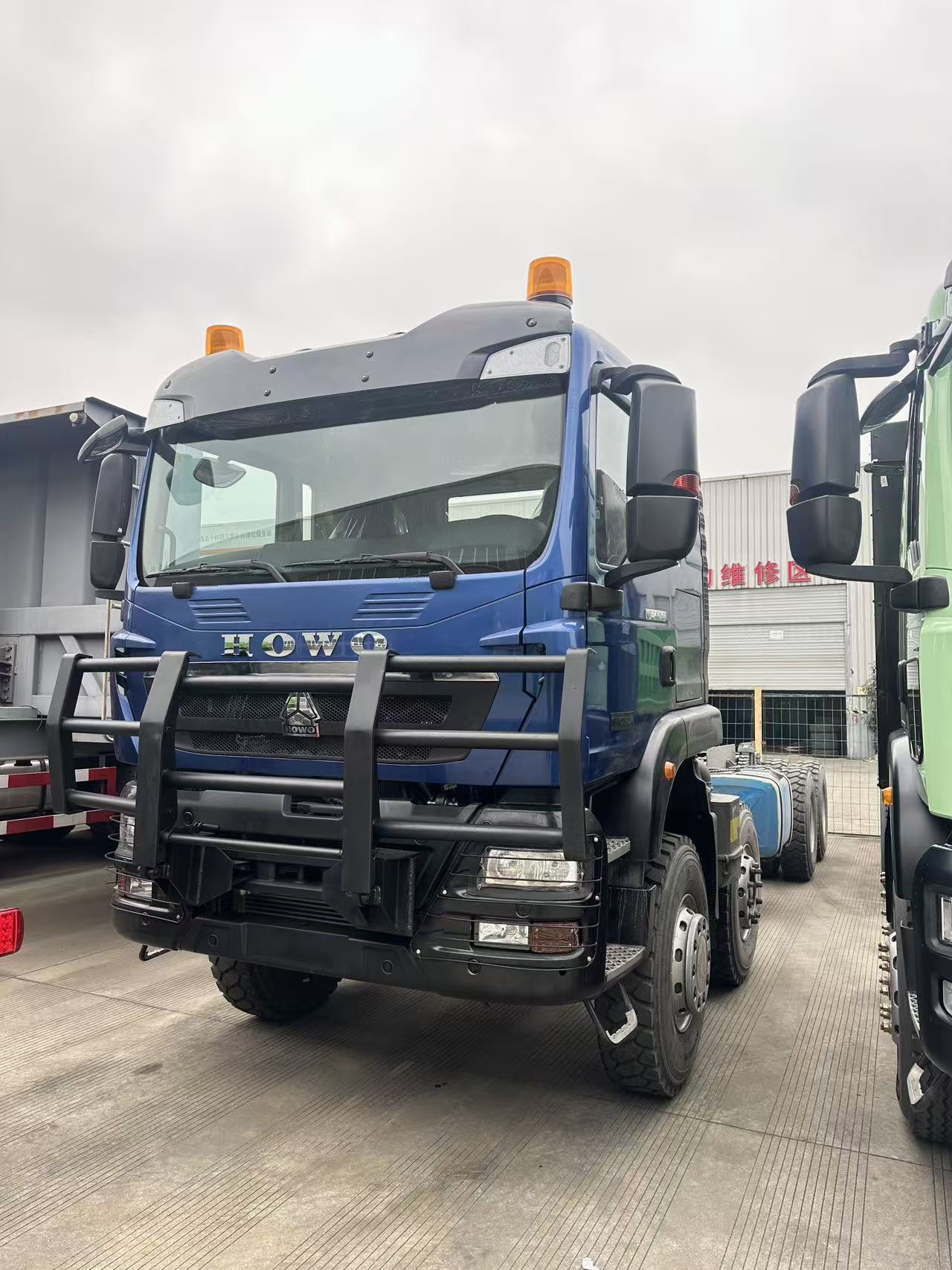
We supply genuine Sinotruk HOWO TX 8x4 dump trucks with factory chassis. 80% of our overseas orders choose this configuration for its durability...
 TECHNICAL REPORT
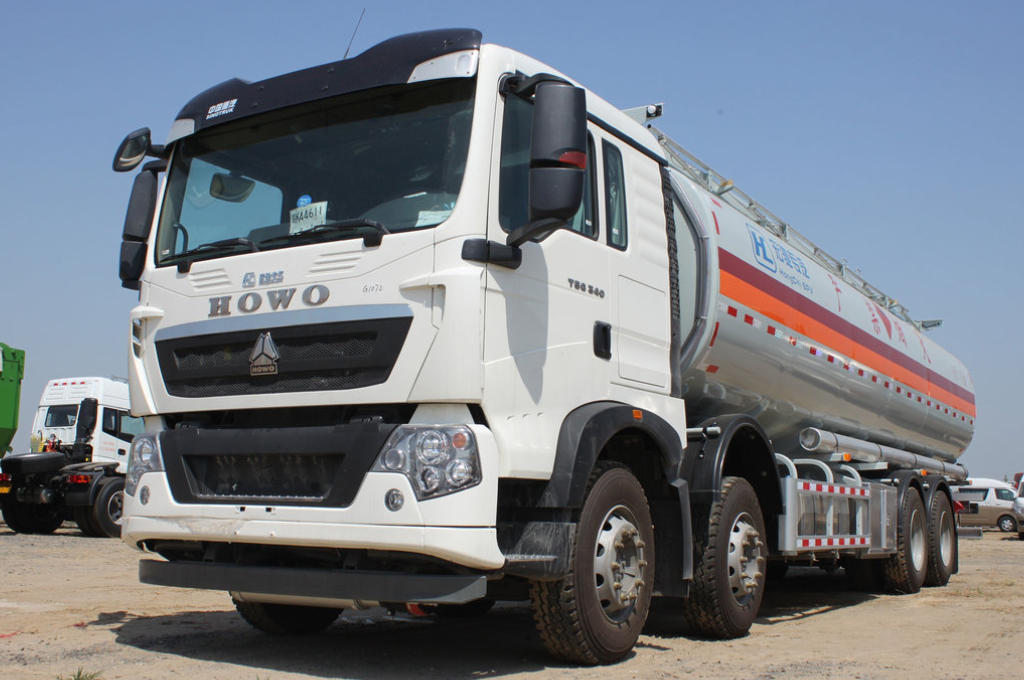
The HOWO TX 8×4 Fuel Tanker Truck delivers powerful performance, large‑volume tank capacity, and industry‑leading safety...
 PRODUCT RELEASE
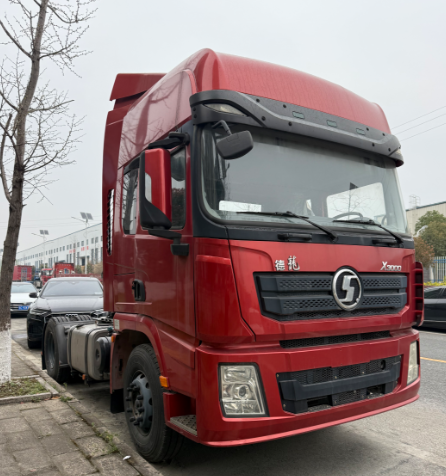
2023 Brand New Shacman X3000 4×2 Tractor Truck. Powered by a 430HP Weichai WP12 engine, this heavy-duty truck features an optimized...
Explore our heavy-duty configurations, including CE-certified fuel tankers and high-power tractor heads.