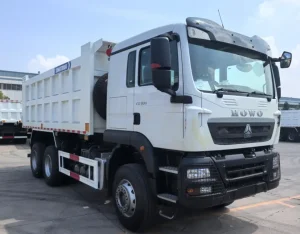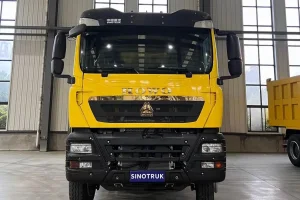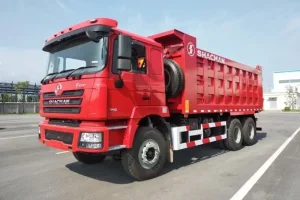
Explore our primary range of heavy commercial vehicles. Every unit is selected for robust operational durability and optimized air brake configurations engineered to conform to strict safety directives.
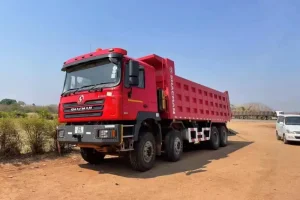
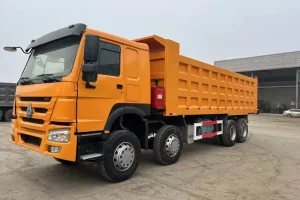
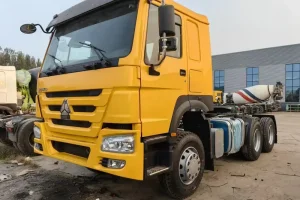
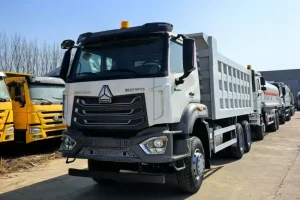
In modern commercial logistics, the absolute safety of heavy-duty vehicles remains the paramount engineering consideration. European markets, and other regions adopting the United Nations Economic Commission for Europe (UNECE) regulations, mandate strict adherence to certifications such as CE certification and ECE R13 regulation. Operating heavy-duty vehicles without standardized air brake system mechanisms introduces catastrophic liabilities for logistics operators, construction corporations, and transport agencies.
CE marking confirms that commercial chassis, auxiliary systems, and braking components meet rigorous safety, health, and environmental standards. For truck brake systems, this includes strict assessment of pressure dynamics, thermal dissipation, mechanical wear limits, and integration with intelligent controllers. A CE-compliant pneumatic brake configuration utilizes advanced dual-circuit air distribution lines to isolate potential failures, ensuring that if one circuit loses pressure, the auxiliary circuit retains emergency halting authority.
Moreover, modern CE requirements demand compatibility with Electronic Braking Systems (EBS) and Anti-lock Braking Systems (ABS). These systems dynamically manage individual wheel slip, avoiding tractor-trailer jackknifing under heavy deceleration. The pneumatic valves, air compressor assemblies, load-sensing valves, and slack adjusters must perform consistently under varied payload distributions, from empty backhauls to maximum gross combination weights (GCW) exceeding 60 tons.
Divided front and rear pneumatic piping loops ensure absolute stopping redundancy even in high-stress thermal events or physical rupture conditions.
Real-time digital communication between wheel-speed sensors and valves reduces response times by up to 150 milliseconds compared to analog setups.
Specially engineered alloy brake drums and ventilated discs mitigate heat fade during continuous descent in alpine and deep-mine terrains.
From regional origins to a globally trusted commercial vehicle and automotive system engineering enterprise, HONGKAI represents uncompromising heavy-duty machine supply.
Founded in Deyang City, Sichuan Province, China, the industrial heart of heavy manufacturing, Deyang Hongkai Auto Trading Co., Ltd. initially optimized domestic supply chains for severe-duty truck fleets. Understanding that safe vehicles rely heavily on stable chassis architectures, our technical engineering divisions evolved to supply robust truck chassis and complete braking integrations designed to excel in challenging global environments.
Innovative powertrain coordination, intelligent thermal controls, air flow optimization, and advanced aerodynamic cabin engineering merge to establish the premium grade of our fleet solutions.
China's industrial capacity combines deep ecosystem integration, cost-efficiency, and strict quality control processes.
Modern commercial automotive hubs in China, specifically around regions like Sichuan and Shandong, leverage clustered components ecosystems. In this setup, raw foundry materials, precision CNC machining centers, electronic sensor developers, and testing laboratories operate within a localized perimeter. This integration ensures rapid turnaround times from raw metal casting to final pressure validation of master brake cylinders and air tank valves.
Additionally, modern Chinese manufacturing utilizes highly automated robotic welding and assembly lines. With precision tooling, tolerances are kept down to the micron level, minimizing human error in critical brake caliper assembly operations.
Reputable manufacturers in China operate in compliance with IATF 16949—the global automotive industry quality management system. Before export, individual braking components undergo extensive test cycles:
The heavy transportation industry is undergoing a transition towards electrification and automated safety. The integration of Electronic Braking Systems (EBS) alongside Autonomous Emergency Braking Systems (AEBS) is now standard in new commercial vehicle platforms. Future-proof braking configurations include regenerative brake coordination for hybrid/electric platforms, lightweight aluminum alloy air tanks to decrease overall tare weight, and dynamic wear sensors that relay pads' structural integrity directly to fleet management telematics dashboards.
Real experiences from transport fleets, mining operators, and commercial vehicle maintenance supervisors using our solutions across challenging terrains.
"As a heavy logistics operator in the United States, keeping transit times predictable is key, but vehicle safety is paramount. The dual-circuit EBS pneumatic layout on these platforms handles high-mountain passes and steep highway descents without thermal fade. A highly profitable commercial asset choice."

"Running logistics routes across Angola and South Africa requires vehicles that withstand high temperatures and dusty road conditions. The high-capacity air dryers and robust drum brake housings prevent contamination inside the air valves, keeping maintenance costs low."

"We acquired multiple tipper trucks for copper ore transport in Zambia. With constant payloads of 40 tons, reliable engine retarders and responsive pneumatic service brakes are critical. These trucks deliver excellent performance."

We provide engineered commercial chassis modifications and air brake component customizations, exporting to active markets throughout North America, Europe, and developing logistics corridors globally.
Detailed analysis of your regional load legalities, average topography slope profiles, and ambient temperatures to determine the correct brake linings and valve configurations.
Custom branding, specific valve mount dimensions, specialized piping orientations, and software tuning for electronic control modules.
Comprehensive verification of system airtightness, torque calibration on drum assembly fasteners, and initial operational checkups before the units leave the factory gate.
24-hour engineering lines for troubleshooting, schematic analysis, and provisioning of original parts (valves, pads, chambers).
We cooperate closely with leading engine, axle, and transmission brands to integrate premium assemblies into our vehicle platforms.





Discover recent news updates, engineering practices, and mechanical checklists curated by our vehicle performance teams.
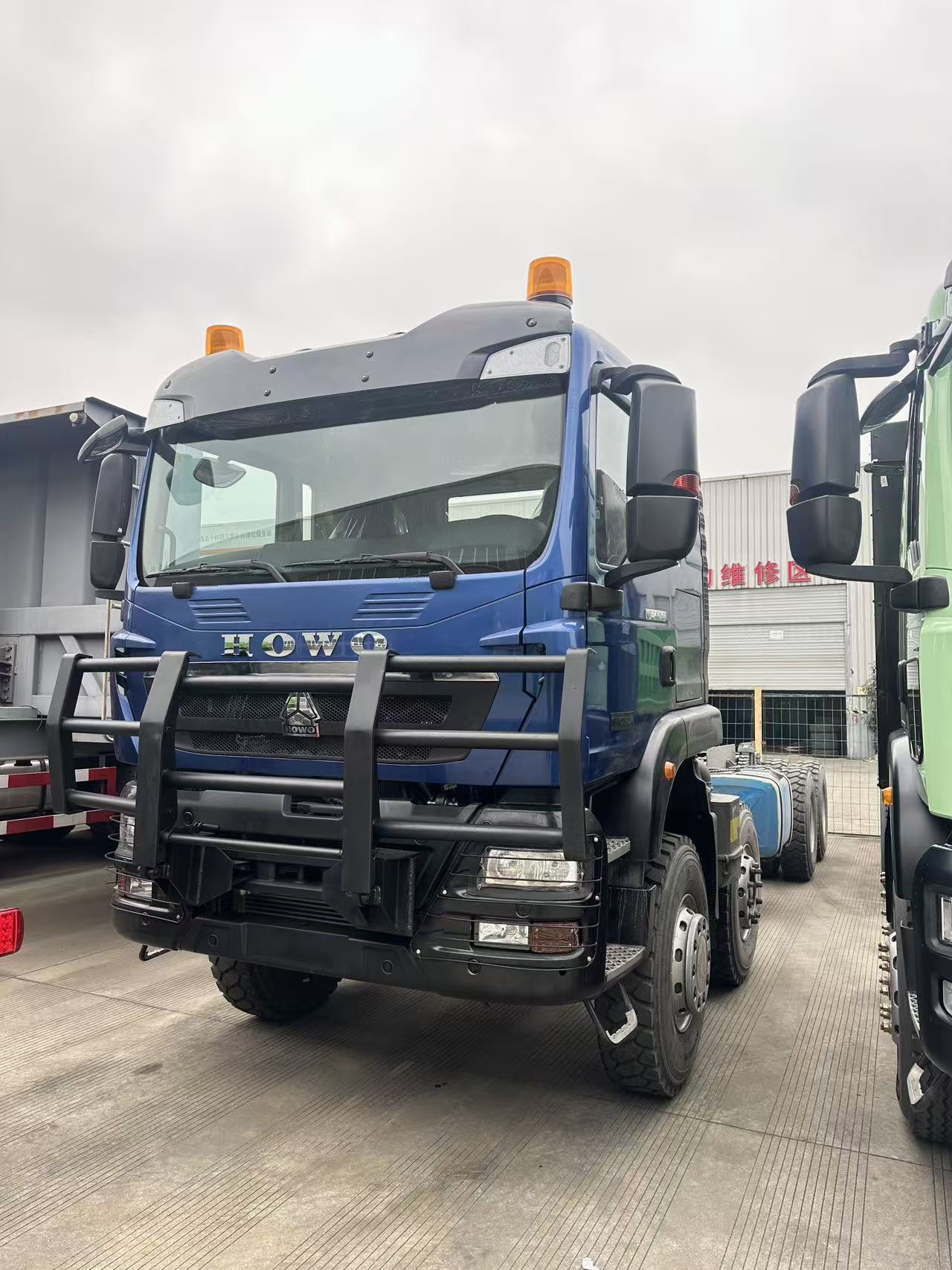
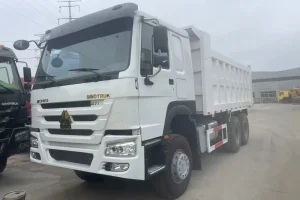
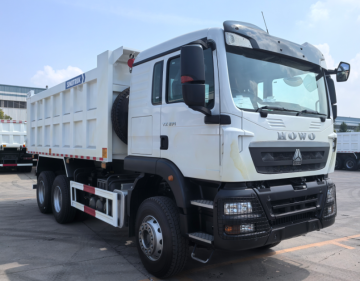
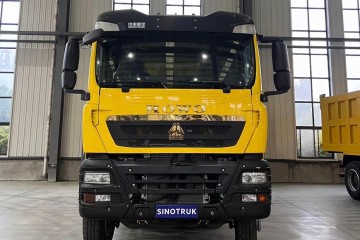
We supply genuine Sinotruk HOWO TX 8x4 dump trucks with factory chassis. 80% of our overseas orders choose this reliable mechanical braking architecture.
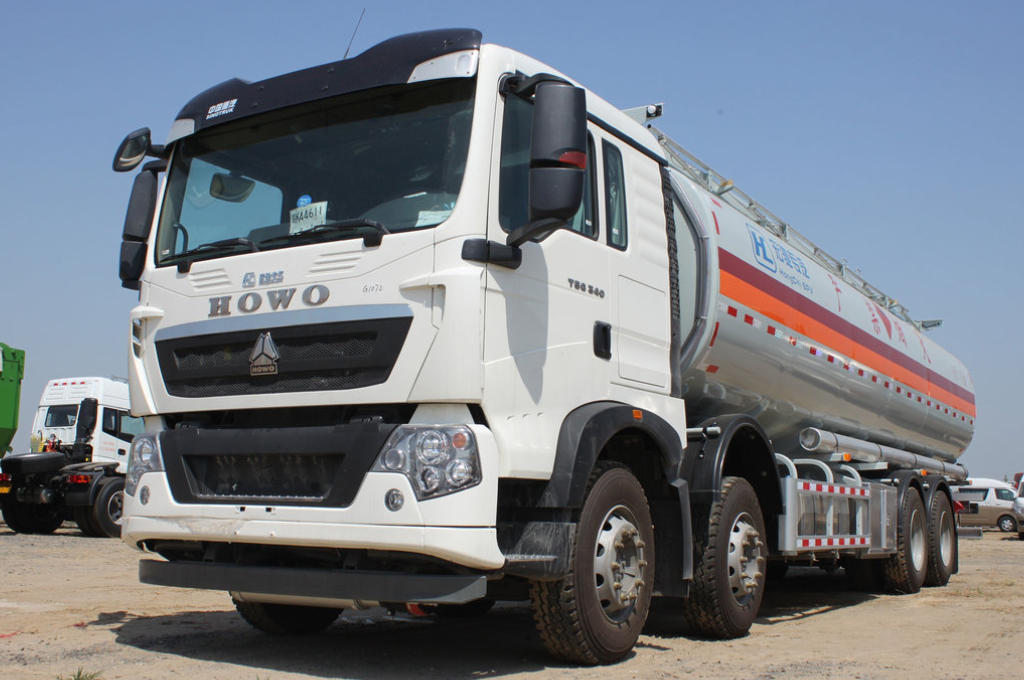
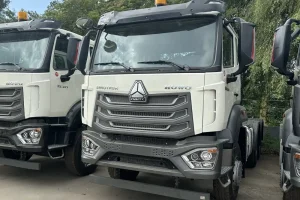
The HOWO TX 8×4 Fuel Tanker Truck delivers powerful performance, large‑volume tank capacity, and industry‑leading safety with specialized pressure relief and shutoff valves.
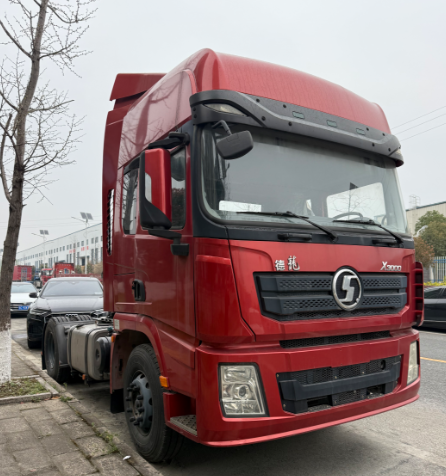
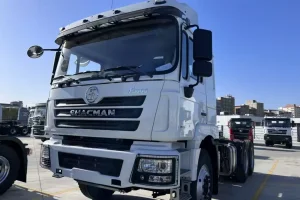
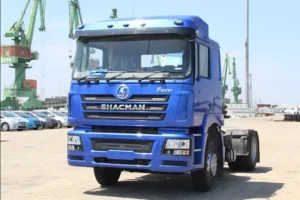
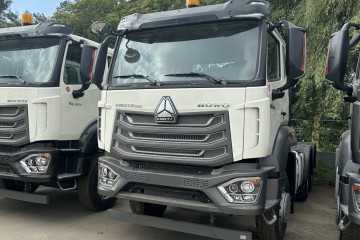
2023 Brand New Shacman X3000 4×2 Tractor Truck. Powered by 430HP Weichai WP12 engine, this heavy-duty truck features state-of-the-art dual line drum systems.
Common technical inquiries regarding compliance, pneumatic designs, and procurement logistics answered by our Senior Quality Director.
CE Certification requires verification that the braking architecture satisfies European mechanical, thermal, and electronic safety directives. Specifically, the system must show redundant dual pneumatic loops, anti-lock controls (ABS/EBS), automatic slack adjustment, and minimal pneumatic lag. The validation process includes dynamic friction tests under maximum thermal load to verify performance under high operating temperatures.
A dual-circuit system uses separate circuits for the front and rear axles, each charged by isolated reservoirs. If a rupture occurs in the front air circuit, a check valve isolates the leak. This allows the rear reservoir to retain full operating pressure to safely bring the commercial vehicle to a stop.
Water vapor in pneumatic lines can cause internal oxidation of copper and steel elements, leading to valve sticking. In freezing conditions, frozen water inside the line blocks airflow, causing braking delays. A high-efficiency heated desiccant air dryer removes moisture and oil aerosol, protecting internal seals and ensuring consistent valve operation.
Automatic slack adjusters dynamically adjust the clearance between the brake shoe lining and the drum to compensate for pad wear. While they adjust automatically, they should be inspected and lubricated with specialized high-temperature grease every 20,000 miles (approximately 32,000 km) or during scheduled chassis servicing to verify internal gear integrity.
Yes. Our engineering division offers specialized EBS configuration mapping. Depending on the tractor-trailer axle layout, we calibrate the electronic distribution systems (supporting 4S/4M or 6S/6M configurations) to manage wheel-lock conditions across complex multi-axle configurations.
Examine our broader range of commercial vehicle assets. Click to request technical blueprints, brake line schematics, and detailed FOB/CIF pricing proposals.