
Why Choose Wheel Lug Bolts for Safe Vehicle Assembly?

Time:2026-09-21 Author:Charlotte
0%

Wheel Lug Bolts are small components with a major responsibility: maintaining wheel attachment under braking, cornering, vibration, and changing road conditions. Their safety value comes from controlled clamping force, accurate thread engagement, and correct seating against the wheel. A clean mating surface matters. So does the tightening sequence.

Industry evidence shows why wheel fastening deserves engineering attention. The U.S. National Highway Traffic Safety Administration’s Tire-Related Crash Data, covering 2000–2009, identified approximately 11,000 tire-related crashes annually. That report does not attribute every incident to fasteners. However, it demonstrates how wheel and tire conditions can influence road safety. ISO 898-1 also defines mechanical property requirements for carbon-steel and alloy-steel fasteners. These requirements support material selection, strength verification, and production consistency.

Wheel Lug Bolts can simplify assembly by combining a defined thread design with a replaceable fastening element. They may also support lighter hub layouts and efficient service procedures. Still, the bolt alone cannot guarantee safety. Technicians must inspect threads, remove corrosion, follow the vehicle manufacturer’s torque specification, and recheck fastening after wheel installation. Torque is only an indirect measure of clamp load. Friction changes can make the same torque produce different results.

That detail is easy to overlook. Real workshops are imperfect. Tools drift, surfaces collect paint, and hurried installations happen. For this reason, reputable manufacturers validate Wheel Lug Bolts through dimensional checks, tensile testing, fatigue assessment, and application-specific testing. Choosing the correct bolt is not merely a purchasing decision. It is part of a complete wheel assembly system, where design evidence, installation discipline, and continual review work together.
Why Choose Wheel Lug Bolts for Safe Vehicle Assembly?

Wheel Lug Bolts: Definition, Structure, and Main Applications

Why Choose Wheel Lug Bolts for Safe Vehicle Assembly?

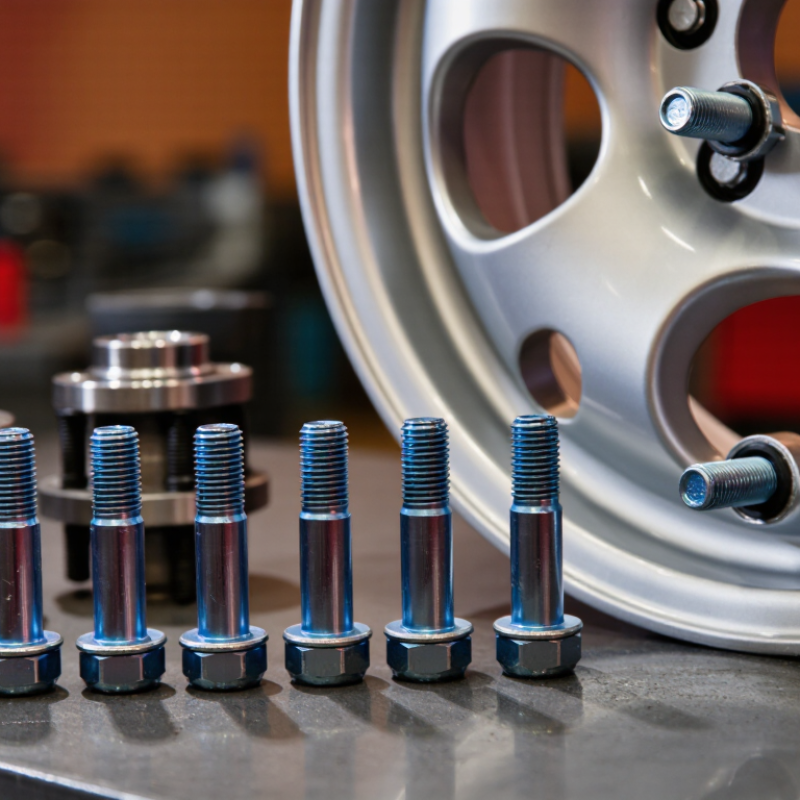
Wheel lug bolts secure the wheel directly to the threaded hub. Unlike studs with separate nuts, each bolt combines the fastener head, shank, threads, and seating surface. The seat may be conical, spherical, or flanged. It must match the wheel precisely. That contact area transfers clamping force around the hub. A wrong seat can damage the wheel, even when the bolt appears tight.

Their compact design supports quick assembly and reduces loose hardware during service. Common applications include passenger cars, light commercial vehicles, alloy wheels, and space-limited hub assemblies. Engineers select diameter, thread pitch, strength class, and corrosion protection according to vehicle loads. ISO 898-1 defines mechanical requirements for carbon-steel and alloy-steel fasteners. Correct torque remains essential. Over-tightening can stretch threads or distort the wheel. Under-tightening can allow movement and fretting.

The risk is not theoretical. NHTSA’s analysis of 2016–2020 crash data estimated about 664 tire-related fatalities each year. Lug bolts are not responsible for every event, but wheel fastening deserves disciplined inspection. Technicians should clean mating surfaces, check thread condition, and use a calibrated torque wrench. Rechecking after wheel service is sensible. Still, workshop practice is often less consistent than design engineers expect. That weakness needs attention. A clean thread matters. So does the correct seating geometry.

How Lug Bolts Secure Wheels to Vehicle Hubs

Wheel lug bolts secure a wheel by clamping it firmly against the vehicle hub. Unlike separate wheel nuts and studs, each bolt passes through the wheel and threads directly into the hub. This connection must be clean, accurate, and evenly tightened. The bolt’s seating surface centers the wheel, while its threads create controlled clamping force. When installed correctly, the wheel and hub act like one solid assembly. That stability supports predictable braking, steering, and cornering.

A reliable installation starts with inspecting the bolt threads, seating faces, and hub holes. Remove rust, dirt, and loose paint, but do not add lubricant unless the vehicle’s service instructions allow it. Lubrication can change the final clamping force. Hand-start every bolt to prevent cross-threading. Then tighten them in a diagonal pattern with a calibrated torque wrench. I have seen rushed installations leave one bolt noticeably tighter than another. It feels secure, but uneven pressure can create movement, vibration, or damaged threads. Torque matters more than forceful tightening.

Tips: Keep the wheel flat against the hub before tightening. Use the specified bolt length and seat design. Check torque again after a short drive, especially after wheel service. Listen for vibration or clicking. Do not ignore small signs. A second inspection may reveal a problem before it becomes expensive.

Why Choose Wheel Lug Bolts for Safe Vehicle Assembly?

How Lug Bolts Secure Wheels to Vehicle Hubs

Lug bolts secure the wheel by clamping it firmly against the vehicle hub. The ranges shown are representative service values for common metric thread sizes; actual requirements vary with vehicle design, fastener grade, wheel material, and seating type. Always use the vehicle manufacturer’s specified torque and tighten in a star pattern to achieve even clamping.

Safety Advantages of Using Wheel Lug Bolts

Wheel lug bolts are more than simple hardware; they are a direct link between the wheel and hub. In practical workshop inspections, correct bolts provide stable clamping force when installed with specified torque. That force helps prevent wheel movement, uneven seating, and vibration during driving. The result is simple. A properly secured wheel stays aligned with the rotating assembly.

Lug bolts also offer a clear installation path. Each bolt must match the hub thread, seating surface, length, and wheel design. When these details are correct, technicians can inspect exposed threads and confirm engagement more easily. Torque tools improve consistency, while clean threads reduce false readings caused by dirt or corrosion. This matters during tire changes, where speed can tempt people to skip a careful cross-pattern tightening sequence. Professional service practice follows the vehicle’s repair instructions, not guesswork.

However, lug bolts are not automatically safe. I have seen rushed work leave one bolt under-tightened or a seating surface contaminated. That is an uncomfortable reminder: reliable assembly depends on procedure, not hardware alone. Recheck torque after initial driving when service guidance requires it. Replace damaged or stretched fasteners rather than forcing them into service. Small errors can become serious at highway speed. Safety improves when every bolt, thread, and contact surface receives attention.

Proper Installation Steps for Reliable Wheel Assembly

Why Choose Wheel Lug Bolts for Safe Vehicle Assembly?

Proper Installation Steps for Reliable Wheel Assembly

Wheel lug bolts provide a direct connection between the wheel, hub, and brake assembly. Their design supports accurate seating when the threads and contact surfaces are clean. Before installation, inspect each bolt for damaged threads, stretched sections, or corrosion. Check the wheel’s bolt holes and hub face as well. Small debris can create uneven clamping pressure.

Keep the vehicle securely supported. Never rely on a jack alone. Place each bolt into the hole by hand, then turn it several rotations. It should move smoothly. Stop immediately if resistance appears. Cross-threading can damage expensive components and may remain hidden after tightening. Do not use an impact tool for initial engagement. A socket and steady hand provide better control.

Tighten the bolts in a diagonal, star-shaped pattern. Use the vehicle maker’s specified torque value, not a convenient estimate. A calibrated torque wrench is essential. Tighten in two or three stages. Lower the vehicle until the tire touches the ground, then apply the final torque. Recheck the setting after a short drive, especially when new wheels or bolts were fitted. This step is often skipped. That is a weakness in otherwise careful work. Record the torque and inspection date for reliable maintenance history.

How to Select and Maintain Suitable Wheel Lug Bolts

Why Choose Wheel Lug Bolts for Safe Vehicle Assembly?

Selecting suitable wheel lug bolts begins with exact fitment, not appearance. Confirm thread diameter, pitch, bolt length, seat shape, strength grade, and coating. A rounded seat can look correct but clamp poorly. The vehicle service manual should control the required torque. Do not copy a torque value from another model.

NHTSA’s Traffic Safety Facts 2017 recorded 738 deaths in tire-related crashes. That figure does not identify lug-bolt failures, but it shows why wheel security deserves careful attention. During installation, clean the hub face and bolt seats with a dry brush. Remove rust, dirt, and old lubricant. Keep threads dry unless the manufacturer specifies otherwise. Tighten bolts in a crisscross pattern, then use a calibrated torque wrench. An impact tool is useful for speed, not final tightening.

Check for damaged threads, stretched bolts, cracked seats, or corrosion. Replace questionable hardware. A clean-looking bolt can still be unsafe. After driving, listen for clicking, vibration, or steering changes. Many service procedures require rechecking torque after roughly 50–100 kilometers, but the vehicle manual has priority. I have seen rushed installations pass a visual check and fail under load. That is easy to underestimate. Temperature changes, repeated wheel removal, and poor tool calibration also deserve attention. Keep a simple maintenance record with the date, mileage, torque setting, and wheel position.

FAQS

What are wheel lug bolts?

Wheel lug bolts fasten a wheel directly to the threaded hub. Each bolt includes a head, shank, threads, and seating surface. They replace separate studs and nuts in many vehicle assemblies. Compact hardware helps in tight spaces.

How do lug bolts secure a wheel?

The bolt passes through the wheel and threads into the hub. Its seating surface positions the wheel and creates clamping force. Even tightening helps the wheel and hub act as one assembly. Clean contact matters.

Why must the bolt seat match the wheel?

The seat may be conical, spherical, or flanged. It must match the wheel’s seating design precisely. A wrong shape can damage the wheel or reduce clamping stability. It may still appear tight.

How should suitable lug bolts be selected?

Confirm thread diameter, pitch, length, seat shape, strength grade, and corrosion protection. Use the vehicle service manual for torque requirements. Do not select bolts by appearance alone. Fitment is more important.

What is the correct installation method?

Keep the wheel flat against the hub. Start every bolt by hand to prevent cross-threading. Tighten bolts in a diagonal pattern. Finish with a calibrated torque wrench, not only an impact tool.

Should lug bolt threads be lubricated?

Keep threads dry unless the service instructions permit lubrication. Lubricant can change the final clamping force. Clean rust, dirt, and old lubricant from contact surfaces. This detail is easy to miss.

What problems can incorrect tightening cause?

Over-tightening may stretch threads or distort the wheel. Under-tightening can allow movement, vibration, or fretting. Uneven pressure may damage threads during driving. Force is not a substitute for measured torque.

When should lug bolts and torque be checked?

Inspect threads, seats, corrosion, cracks, and stretching during wheel service. Recheck torque after about 50–100 kilometers when the manual recommends it. Listen for clicking, vibration, or steering changes. Do not ignore small signs.

Conclusion

Wheel Lug Bolts are essential fastening components designed to secure vehicle wheels firmly to their hubs. Their threaded structure allows them to pass through the wheel and engage directly with the hub, creating strong clamping force and maintaining proper wheel alignment during driving. By distributing pressure evenly and resisting loosening caused by vibration, they contribute to stable handling, reliable braking, and overall vehicle safety.

For dependable wheel assembly, Wheel Lug Bolts should be selected according to the vehicle’s thread size, seat shape, length, strength rating, and wheel specifications. Proper installation includes cleaning the contact surfaces, hand-starting the bolts to prevent cross-threading, tightening them in a balanced sequence, and applying the recommended torque with a calibrated tool. Regular inspections can help identify corrosion, damaged threads, or abnormal wear, while rechecking torque after wheel service supports long-term performance and safer operation.

Charlotte

Charlotte

Charlotte is a seasoned marketing professional with a deep understanding of the company's portfolio and a passion for elevating its presence in the market. With a keen eye for detail and a commitment to excellence, she ensures that our professional blog is regularly updated with insightful articles......