
Choosing among Cat articulated dump trucks requires more than comparing payload numbers. Site access, haul distance, ground conditions, and service support can change the best choice completely. The Cat 725, 730, 735, and 745 models each serve different production needs. Their articulated frames help them turn through uneven ground, while large tires maintain traction beside muddy cuts and rough haul roads.
Construction-equipment historian Keith Haddock offers a useful perspective: “The right truck is not always the largest truck; it is the one that matches the site.” That principle guides this comparison of Cat Articulated Dump Truck models. A 725 may suit smaller projects and restricted working areas. The 730 can provide a practical balance between payload and maneuverability. The 735 and 745 target demanding quarry, mining, and major earthmoving operations. Bigger is not automatically better.
Real performance depends on the operator, loading tool, road design, and maintenance discipline. A clean radiator, correct tire pressure, and well-planned haul route can influence productivity more than brochure figures suggest. That detail is easy to overlook.
This guide examines payload, engine performance, cab visibility, traction, fuel use, technology, and ownership support. It also considers less obvious questions. Can the truck reverse safely near a congested work zone? Will local technicians support it quickly? Does the site justify higher capacity? Some comparisons remain imperfect because conditions differ from project to project. Still, these models reveal how Caterpillar designs articulated haulers for specific working environments, not one universal job.
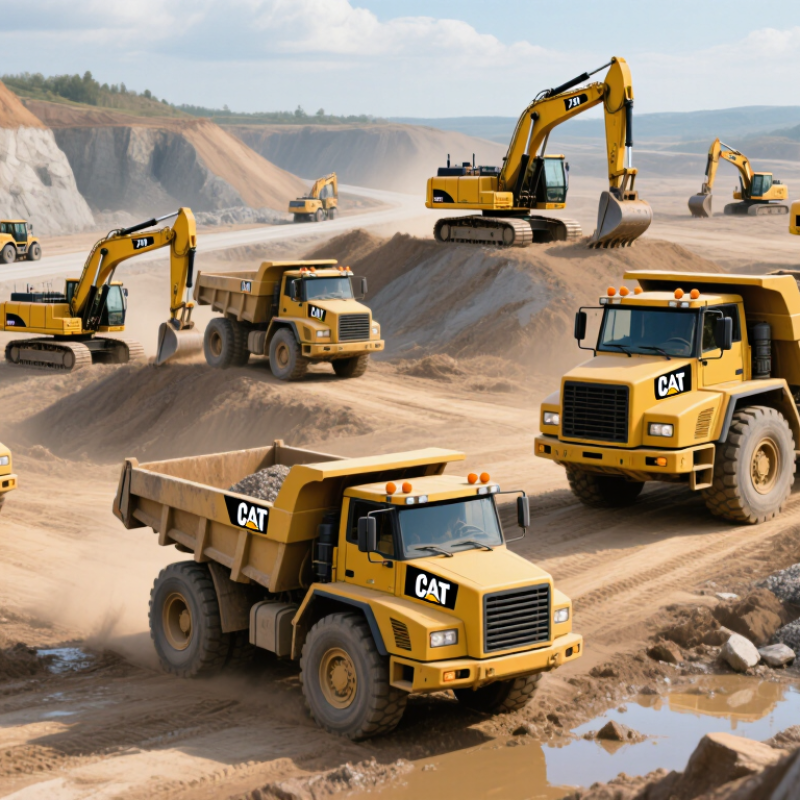
An articulated dump truck is a heavy machine built for moving loose material across rough ground. Unlike a rigid-frame hauler, it bends at a central articulation joint. This design lets the front and rear sections follow uneven paths with less frame stress.
The operator turns through hydraulic cylinders, not a conventional steering axle. When the steering wheel moves, hydraulic pressure changes the cylinder position. The joint then guides the truck around corners, across ruts, and along narrow haul roads. A diesel engine powers the transmission and axles, while differential locks help maintain traction on mud, gravel, or steep grades. The tipping body lifts with hydraulic rams and releases soil, rock, or sand quickly.
Top articulated dump truck models usually fall into compact, mid-size, and large classes. Compact units suit landscaping, restricted sites, and lighter loads. Mid-size machines offer a practical balance between payload and maneuverability. Large models carry more material but require wider roads, stronger ground, and careful site planning. On a wet haul route, tire condition and operator judgment can matter more than maximum horsepower.
Payload ratings need careful checking. Real production changes with moisture, slope, loading time, and travel distance. No model performs perfectly everywhere. A machine that looks efficient on paper may waste fuel on short, stop-and-go cycles. Experienced managers compare cycle data, maintenance access, visibility, braking response, and local support before choosing. I would also recheck the job conditions after the first week, because early assumptions are often wrong.
The top articulated dump truck choices are usually defined by site conditions, not brochure size. In quarry work, a 30-ton class model often balances payload, turning room, and fuel use. A 40-ton class machine suits longer, well-maintained haul roads. It needs firm ground and enough loading space. Smaller 25-ton models remain practical on tight residential or mixed-use sites. They are easier to position. That matters more than peak capacity.
Experienced operators usually inspect frame articulation, traction controls, suspension travel, and retarder performance. A six-wheel-drive configuration helps on wet clay and steep ramps, while automatic traction management reduces wheel spin. Check the rated payload against local material density. Wet aggregate can overload a truck before the body looks full. Cab visibility, step access, and seat adjustment also affect daily productivity. Small details become large costs.
Model selection should include service access, parts availability, and documented fuel figures from comparable cycles. Ask for test results on your actual haul distance, gradient, and loading method. Published figures can be optimistic. I would not choose the largest model automatically; it may queue beneath a loader and waste fuel. I have also seen operators underestimate tire damage on rocky turns. That mistake is expensive, and easy to repeat. A slightly smaller truck may deliver steadier cycle times, safer maneuvering, and better utilization across changing jobs.
| Model | Rated Payload | Heaped Body Capacity | Maximum Speed | Best-Suited Applications | Key Selection Advantage | Choice Rating |
|---|---|---|---|---|---|---|
| 725 | 15.3 metric tonnes | 9.4 m³ | 64 km/h | General earthmoving, residential development, utility work, and projects with restricted access. | Compact size and strong maneuverability make it suitable for smaller sites and mixed haul routes. | ★★★★☆ |
| 730 | 28 metric tonnes | 16.9 m³ | 55 km/h | High-volume earthmoving, road construction, quarry support, and large commercial sites. | Balanced payload, body volume, and operating flexibility for a broad range of hauling duties. | ★★★★★ |
| 735 | 36 metric tonnes | 20.4 m³ | 63 km/h | Large-scale site preparation, mine-support work, dam construction, and long-shift production hauling. | Higher payload capacity improves productivity where haul roads and loading equipment support larger loads. | ★★★★★ |
| 745 | 41 metric tonnes | 25.2 m³ | 55 km/h | Major infrastructure projects, large quarries, mining support, and high-volume overburden removal. | Highest payload in this comparison for operations focused on maximum material movement per cycle. | ★★★★★ |
Articulated dump truck models should be compared by payload, cycle time, traction, and operating cost. Off-Highway Research’s 2024 market review covers common payload classes from 25 to 45 metric tonnes. A 25-tonne hauler suits narrow quarry roads and moderate earthmoving jobs. A 40-tonne model carries more material per trip. However, its wider body may reduce maneuverability on tight ramps. Bigger is not always faster.
Payload alone can mislead fleet buyers. Suppose a 30-tonne truck completes 12 cycles hourly. It moves about 360 tonnes per hour. A 40-tonne truck completing only nine cycles moves the same volume. Haul distance, gradient, road surface, and loading time decide the result. On a wet 1.5-kilometre route, traction control and balanced weight distribution may matter more than engine output. Real sites are messier.
Fuel use and tire wear also change the ownership calculation. The same 2024 industry review highlights productivity and total operating cost as major equipment-selection factors. Managers should compare payload utilization, not rated capacity alone. A truck carrying 36 tonnes may perform poorly if loading delays or wheel slip reduce daily cycles. More capacity can become dead weight. That judgment is often imperfect. Weather, operator technique, and changing haul roads can overturn a spreadsheet forecast.
The 725, 730, 735, and 745 articulated dump trucks serve different production needs. Their payload ratings vary by generation, but the 725 generally suits smaller quarry and road projects. It is easier to position around tight loading areas. The 730 adds capacity while retaining useful maneuverability. Its balanced size often helps mixed fleets. However, operators should not choose it by payload alone. Ground conditions can change daily.
The 735 is built for heavier earthmoving cycles and deeper haul roads. Its larger body reduces trips, but loading equipment must match its capacity. The 745 carries the highest payload of this group, making it effective on long, well-maintained haul routes. Its powertrain, articulated frame, and traction controls support difficult gradients. Still, a full body needs firm ground and disciplined speed. More capacity can expose weak site planning.
From field inspections, automatic traction control is especially valuable on wet ramps. Retarding systems also reduce brake heat during long descents. Cab visibility, seat adjustment, and control layout affect fatigue more than brochures suggest. I would not call one model universally best. Fuel use, tire wear, and cycle distance can reverse the expected choice. One detail is often missed. Matching the truck to the loader bucket prevents waiting, underloading, and unnecessary structural stress. Specifications should be checked against the exact production year and local operating conditions.
Rated payload increases across the range, making each model suitable for a different hauling requirement.
Choosing the right articulated dump truck model starts with the jobsite, not the brochure. Estimate payload from daily material volumes, haul distance, road width, and ground conditions. Smaller models suit narrow quarry routes and soft terrain. Larger units can reduce trips, but they may struggle on tight turns or weak haul roads. Check rated payload carefully. Overloading increases tire wear, braking distance, and frame stress.
Engine power matters, yet traction and balance often matter more. A six-wheel-drive configuration can improve control on mud, loose rock, and steep ramps. Review articulation angle, turning radius, ground clearance, transmission settings, and retarder performance. Ask for service records and realistic fuel data. Test the truck with your actual material if possible. A machine that performs well on a dry demonstration pad may behave differently after heavy rain. That detail is easy to miss.
Tips: Compare ownership cost over several years, including tires, scheduled maintenance, operator training, and downtime. Confirm parts availability and technician support in your region. Inspect the cab’s visibility, seat adjustment, controls, and noise level; operator fatigue affects productivity. Do not choose by payload alone. I may favor a larger model too quickly. In practice, a slightly smaller truck can deliver better results when access, ground pressure, and loading equipment are limited. Get independent inspection data before making the final decision.
Match the truck to haul distance, road width, material density, and loading space. A 25-ton class model suits tight or mixed-use sites. A 30-ton class model often balances payload and maneuverability. Larger trucks need firm ground and wider turning areas. Bigger is not always better.
Smaller trucks work well on narrow quarry routes and residential projects. They are easier to position near buildings, loaders, and sharp turns. They may also reduce tire damage on rocky corners. I sometimes favor capacity too quickly. Actual access can matter more.
Six-wheel drive improves control on mud, loose rock, and steep ramps. Automatic traction management can reduce wheel spin. Suspension travel helps the truck remain stable over uneven ground. A strong retarder supports controlled descents. Wet clay reveals weaknesses.
Material density changes the truck’s real load. Wet aggregate may overload the vehicle before the body looks full. Overloading can increase tire wear, braking distance, and frame stress. Check local material weights before setting loading targets. A full-looking body proves little.
Check visibility, step access, seat adjustment, controls, and noise levels. Clear sightlines help operators position safely beside loaders and stockpiles. A comfortable seat may reduce fatigue during long cycles. Small cab problems become daily costs. Operators notice them first.
The loader bucket should fill the truck efficiently without excessive waiting. A poor match can cause underloading, queueing, or repeated passes. Too many small bucket loads waste time. Oversized buckets may increase impact and structural stress. Balance matters.
Ask for fuel figures from comparable haul distances, gradients, and materials. Request service records, parts information, and technician support details. Published figures can appear optimistic. A practical test is stronger evidence. Use your real route.
Compare tires, scheduled maintenance, operator training, repairs, and downtime. Rocky turns can damage tires faster than expected. Poor service access may extend routine maintenance. A smaller truck may deliver steadier cycles across changing jobs. My first estimate may be wrong.
A Cat Articulated Dump Truck is a heavy-duty hauler designed to move large volumes of soil, rock, and construction materials across challenging terrain. Its articulated frame and flexible steering joint help maintain stability and maneuverability on uneven or confined job sites. These trucks typically combine high ground clearance, powerful traction, and automated transmission systems to support efficient loading, hauling, and dumping cycles.
Among the most recognized models, the 725, 730, 735, and 745 offer different balances of payload capacity, operating weight, and hauling performance. Smaller models may be easier to maneuver and more economical for moderate workloads, while larger models are better suited to high-volume earthmoving and longer haul routes. Buyers should compare payload requirements, terrain conditions, fuel efficiency, operator comfort, maintenance access, technology features, and total operating costs before choosing the model that best matches their project.
