
China Top 10 Trophy Truck Suspension Manufacturers

Time:2026-10-16 Author:Amelia
0%

China’s trophy truck sector is gaining attention as off-road racing demands stronger, lighter, and more adjustable components. Trophy Truck Suspension systems must control extreme wheel travel, repeated desert impacts, and high-speed landings. They also need precise damping across changing terrain.

Market estimates require caution. Grand View Research reports continued growth in the global automotive shock absorber market, driven by performance and replacement demand. ResearchAndMarkets also identifies off-road vehicles as a developing performance segment. However, published figures differ by definition, region, and product category. No single report fully measures China’s Trophy Truck Suspension manufacturing capacity.

This guide examines ten Chinese manufacturers through practical criteria. These include damper design, material quality, machining accuracy, testing capability, customization, export experience, and after-sales support. A useful supplier should explain its valving choices clearly. It should also provide dyno data, fatigue-test information, and service guidance.

As off-road suspension specialist John “J.C.” Jones has stated, “A suspension system is only as good as its ability to stay consistent under abuse.” That principle matters more than attractive photographs or impressive claims. A desert truck may hit a whoop section with its tires loaded, hot, and partially airborne. Small damping errors then become visible through bottoming, steering instability, or uneven tire contact.

This list is not absolute. Factory scale does not always equal race-proven performance. Some smaller Chinese manufacturers may offer better customization, but their documentation can remain incomplete. Buyers should verify test records, coatings, seals, replacement parts, and independent customer results before choosing a long-term partner.
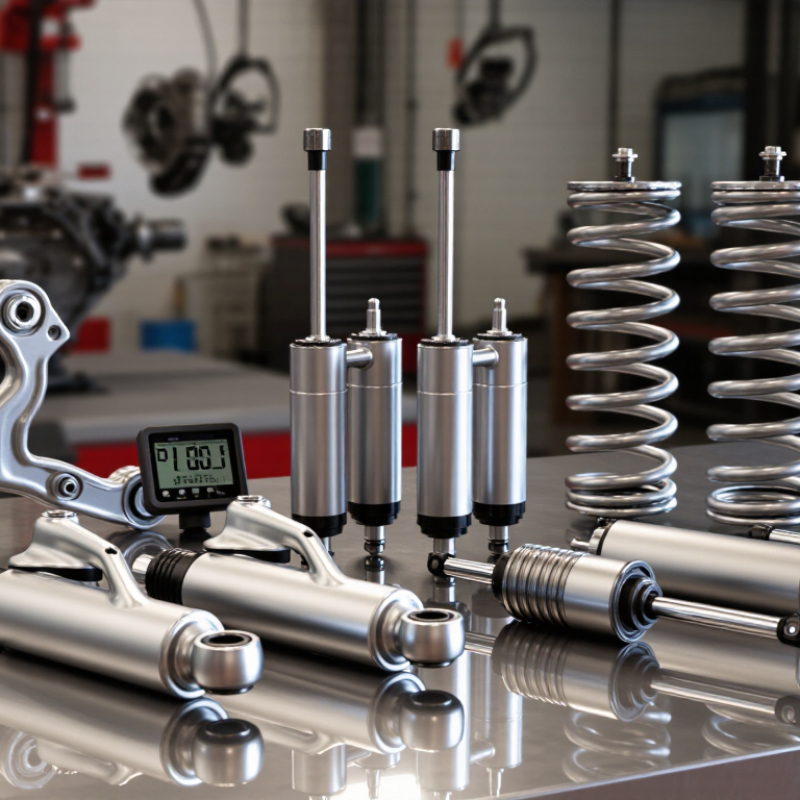
China Top 10 Trophy Truck Suspension Manufacturers

Trophy Truck Suspension: Design, Function, and Performance Requirements

Trophy truck suspension must control violent impacts while keeping the tires connected to uneven desert terrain. Its design combines long travel, strong geometry, reliable damping, and carefully managed wheel movement. Coilover springs support the vehicle, while bypass dampers control compression and rebound through changing flow zones. Hydraulic bump stops help absorb the final inches of travel. Small details matter.

Performance depends on more than maximum suspension travel. Engineers examine camber change, toe movement, suspension leverage, and chassis loading during testing. A well-designed system keeps steering predictable when one wheel hits a deep rut. It also limits harsh bottoming over repeated jumps. In practical workshop testing, technicians measure ride height, shock temperatures, and damper behavior after each run. Heat reveals problems that a short inspection can miss.

Durability is equally important. Mounts need proper weld quality, accurate alignment, and enough material around high-stress points. Bushings and spherical joints require regular inspection because dust, heat, and impact loads accelerate wear. No setup is perfect. A softer tune may improve grip but reduce control during hard landings. A stiffer tune may protect the chassis yet make rough sections less forgiving. I have seen teams focus too heavily on travel numbers and overlook driver feedback. That is a costly mistake. Suspension selection should balance terrain, vehicle weight, driving style, service access, and verified test data.

How to Assess Chinese Trophy Truck Suspension Manufacturers

When assessing Chinese trophy truck suspension manufacturers, begin with evidence, not polished catalogs. Request factory photographs, production records, and recent testing data. Inspect weld consistency, tube alignment, machining marks, and surface finishing. Small details matter.

Ask which steel or aluminum grades are used. Confirm material certificates and batch traceability. Review shock dyno results under repeated high-load cycles. A serious manufacturer should explain damping changes clearly. They should also provide fatigue testing, dimensional tolerances, and documented quality checks. Request a sample unit before placing a large order. Measure mounting points yourself.

Communication reveals technical maturity. Can the engineering team discuss spring rates, suspension travel, heat management, and terrain differences? Vague answers deserve caution. Ask how they handle failures, replacement parts, and design revisions. Written inspection standards improve accountability. Independent testing can strengthen confidence.

Price comparisons can mislead. Low-cost components may hide weaker bushings or inconsistent heat treatment. No supplier is flawless. I would still question impressive claims without raw data. A factory may pass one test and struggle after dust, heat, and repeated impacts. Visit the facility when possible, or hire a qualified local inspector. Verify production capacity, export documentation, and after-sales responsiveness before approval.

China’s Top 10 Trophy Truck Suspension Manufacturers

China’s Top 10 Trophy Truck Suspension Manufacturers should be assessed through testing, not catalog claims. Grand View Research estimates the global off-road vehicle market will continue expanding through 2030, increasing demand for stronger and more adjustable suspension systems. That growth matters in China, where manufacturers increasingly combine CNC machining, reservoir shock absorbers, and vehicle-specific suspension geometry.

A credible top-ten evaluation should examine:
  • Wheel travel
  • Damping consistency
  • Weld penetration
  • Fatigue resistance

The 2024 ISO 16750 road-vehicle testing framework offers useful guidance for vibration, shock, and environmental checks. However, trophy trucks face harsher impacts than ordinary road vehicles. Testing must include repeated landings, high-temperature cycling, dust exposure, and hydraulic pressure monitoring.

What buyers should verify

Buyers should request dyno curves, material certificates, corrosion results, and service records before selecting among China’s top ten manufacturers.

The China Association of Automobile Manufacturers reported continued growth in domestic vehicle production during 2024, supporting a broader supply chain for precision components. Yet production volume does not prove racing durability. Some published test figures remain difficult to compare. That is a weakness. A suspension can look impressive on a display stand and still fade after several hard miles. Real desert experience remains essential.

Key Products, Technologies, and Customization Capabilities

China’s top ten trophy truck suspension manufacturers typically offer coilover shocks, bypass shocks, remote reservoirs, control arms, trailing arms, and steering components.

Their strongest products combine long travel with controlled damping. A reliable supplier should explain spring rates, shaft diameter, oil volume, and expected vehicle weight clearly.

Modern factories use CNC machining, CAD modeling, finite element analysis, and shock dynamometers. These tools help engineers study bending loads, heat buildup, and rebound control.

Some manufacturers use multi-stage bypass systems for separate low-speed and high-speed damping. Reservoir fins can improve cooling during repeated desert impacts.

Weld quality matters too. Clean joints reduce fatigue risks around mounting points.

Customization often includes shock length, mounting width, spring selection, valving, reservoir placement, and corrosion protection. Engineers may adjust settings for sand, rocks, racing speed, or a heavier cabin.

Good manufacturers request wheel travel measurements, axle loads, tire size, and driving conditions before quoting. That shows practical experience.

However, catalog specifications can be incomplete. A dyno curve may not predict every trail condition. Prototype testing remains necessary. Some suppliers also need better documentation and slower, clearer communication. Buyers should review test records, material certificates, inspection photos, and replacement-part support before approving a production order.

Purchasing, Installation, Testing, and After-Sales Support

China’s top 10 trophy truck suspension manufacturers should be judged beyond catalog price. MarketsandMarkets’ 2024 report estimates the automotive suspension market will grow steadily through 2029, increasing pressure on suppliers to prove durability. Purchasing teams should request load ratings, material certificates, fatigue results, and traceable production records. A lower quotation can hide costly machining revisions or delayed spare parts.

Installation needs equal discipline. Confirm mounting dimensions before shipping. Check shock length, travel, bump-stop clearance, and steering interference on the actual chassis. Use calibrated torque tools and record every fastener setting. After installation, measure ride height and alignment with the truck carrying its normal operating load. Small errors become obvious in desert whoops. Sometimes, the supplied setup is not ideal. That deserves honest review.

Testing should combine dyno data with controlled field runs. SAE J266 testing principles can support repeatable damper evaluation, while ISO 9001-based quality systems help control documentation and corrective actions. Inspect oil temperature, shaft scoring, weld areas, and fastener movement after each session. An internal test report is useful, but independent verification is stronger. I would not treat one successful run as proof.

After-sales support should include service intervals, seal kits, setup guidance, and a clear warranty process. Response time matters when a truck is waiting in a workshop. Ask whether the manufacturer provides failure analysis, revised drawings, and replacement parts by specification. Digital support is helpful, but photos and measurements still prevent confusion. The paperwork may feel excessive. It often prevents repeat failures.

FAQS

How should trophy truck suspension manufacturers be evaluated?

Evaluate wheel travel, damping consistency, weld quality, and fatigue resistance. Catalog claims are not enough. Real testing matters.

Which tests are important for desert suspension systems?

Test repeated landings, high-temperature cycling, dust exposure, and hydraulic pressure changes. Inspect the suspension after every session. One successful run proves little.

What documents should buyers request before ordering?

Request load ratings, material certificates, fatigue results, and traceable production records. Dyno curves and service records also help. Missing paperwork deserves caution.

Why can a low suspension quotation become expensive?

A low price may hide machining revisions, setup changes, or delayed spare parts. The cheapest offer is not always economical.

What should be checked before installation?

Confirm mounting dimensions, shock length, wheel travel, bump-stop clearance, and steering space. Check them on the actual chassis. Small differences matter.

How should the suspension be installed correctly?

Use calibrated torque tools and record each fastener setting. Measure ride height and alignment with the truck carrying its normal load. Guesswork can create problems.

How can suspension performance be verified after installation?

Combine dyno results with controlled field runs. Check oil temperature, shaft scoring, weld areas, and fastener movement afterward. Independent verification is stronger.

What after-sales support should a manufacturer provide?

Support should include service intervals, seal kits, setup guidance, replacement parts, and a clear warranty process. Failure analysis is valuable. Response time matters.

What should buyers do when the supplied setup feels unsuitable?

Record ride height, alignment, temperatures, and handling symptoms. Ask for revised settings or drawings. The original setup may not be ideal. Honest review prevents repeated failures.

Conclusion

This article provides a practical overview of Trophy Truck Suspension, explaining how suspension geometry, shock absorbers, spring rates, travel range, and chassis compatibility influence handling, durability, and high-speed off-road performance. It also outlines the key design requirements for demanding desert environments, including impact control, heat management, ground clearance, adjustable damping, and resistance to dust, mud, and repeated stress.

The guide introduces ten leading Chinese manufacturers based on engineering capability, product quality, customization options, production standards, and technical support, without focusing on brand names. It compares their major products, manufacturing technologies, testing procedures, and ability to develop solutions for different vehicle platforms. In addition, the article offers practical advice on evaluating suppliers, confirming specifications, planning purchases, completing installation, conducting safety inspections and performance tests, and securing reliable after-sales service and replacement support.

Amelia

Amelia

Amelia is a seasoned marketing professional with a wealth of expertise in our company’s core offerings. With an unwavering passion for driving growth and innovation, she plays a pivotal role in shaping our marketing strategies and enhancing brand visibility. A key aspect of her responsibilities......