
Choosing the right Truck Rear Bumper is not simply an appearance decision. It affects protection, towing convenience, clearance, and daily driving confidence. A shiny bumper may look impressive, yet it can fail your real needs if its mounting points are weak or its hitch access feels awkward.
Truck equipment specialist Mark Williams explains, “The best bumper is the one that protects your truck without compromising how you use it.” That principle deserves attention. A work truck carrying tools needs a different design from a weekend pickup used for camping. Think about your routine. Do you load heavy equipment? Park near concrete barriers? Tow a trailer after dark? These details should guide your choice.
Start with construction quality. Look for thick steel, clean welds, reinforced brackets, and a finish that resists road salt. Check the bumper’s weight, sensor compatibility, license-plate position, and departure angle. A built-in hitch can be practical, but only when it matches the truck’s rated towing equipment. Some models add recovery points, steps, lighting, or swing-out tire carriers. Useful features can also add weight and maintenance.
Fitment matters more than aggressive styling. Measure carefully. Verify the truck’s year, cab configuration, exhaust placement, and parking-sensor layout. Installation may appear simple, but uneven gaps often reveal poor alignment or missing support.
There is no perfect bumper.
You may still compromise.
The thoughtful buyer compares protection, cost, appearance, and everyday usability before ordering. This guide will help you ask better questions, avoid expensive mismatches, and choose a Truck Rear Bumper that performs beyond the showroom.
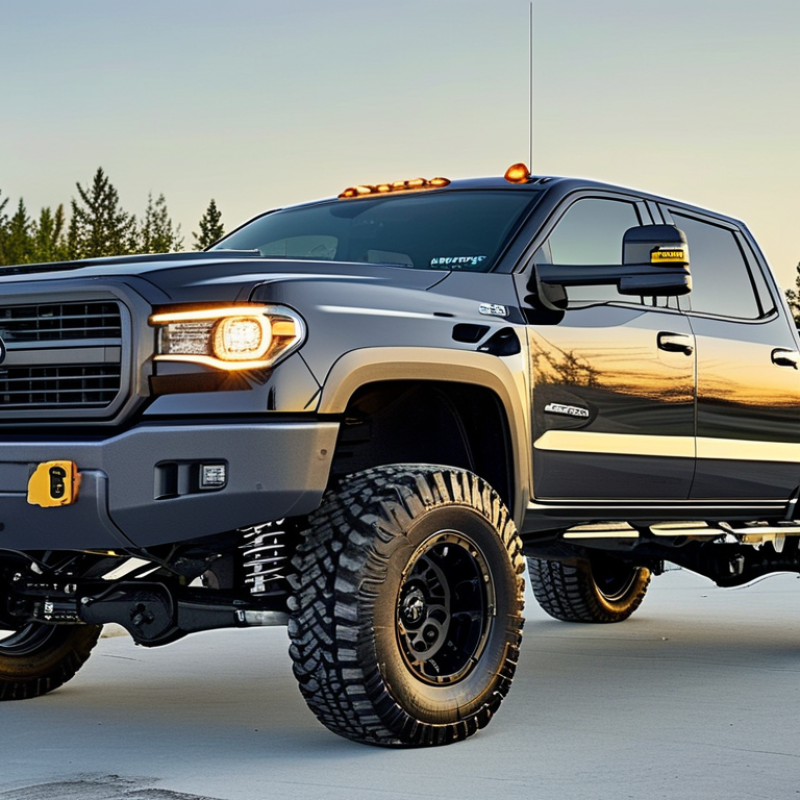
Start with the truck’s actual job, not its appearance. A daily work truck may need parking protection, while a towing truck needs stronger recovery points. Measure the frame width, hitch height, exhaust position, sensor locations, and ground clearance. Record the truck’s payload and towing ratings from the owner’s manual. Do not assume a heavier bumper improves every setup. Extra steel can reduce payload and worsen fuel economy.
Rear-end impacts deserve serious attention. The National Highway Traffic Safety Administration’s Traffic Safety Facts identifies rear-end crashes as about 23% of all reported crashes. This supports choosing a bumper with dependable impact coverage and properly positioned lighting.
Check whether the design protects the corners, license plate, trailer wiring, and backup sensors. Small details matter. A sensor blocked by thick steel may trigger warnings or lose accuracy.
My first bumper checklist was too simple. I focused on thickness and ignored installation access. That was a mistake. A practical evaluation should include corrosion resistance, mounting hardware, weld quality, departure angle, and serviceability.
The U.S. Department of Transportation’s Federal Motor Carrier Safety Administration also emphasizes secure equipment and safe vehicle operation in its inspection guidance. Choose recovery points rated for your vehicle, not merely attractive hooks. Ask a qualified installer to verify frame fitment and clearance before purchase. A clean finish is useful, but predictable performance matters more.
: Steel offers strong impact resistance for work, loading, and rough trails. Aluminum weighs less and resists rust, but severe impacts may deform it. Composite materials resist corrosion, though durability depends on design and climate. Weight matters.
Plate designs provide broad rear coverage. Tubular designs usually weigh less and improve ground clearance. Integrated steps help you reach the cargo bed. Check tailgate movement before installation.
Match protection to real risks. Heavy-duty construction may be unnecessary for mostly highway driving. Extra weight can affect fuel use, handling, and parking. More protection is not always better.
Check towing capacity and tongue-weight limits. Both ratings must exceed your trailer’s loaded weight. Confirm the hitch size, frame mounts, recovery points, and safety-chain mounts. Inspect trailer wiring and exhaust clearance.
Confirm visibility for the license plate and rear lighting. Check parking sensors, cameras, and factory safety systems. A poorly aligned bumper can reduce sensor performance. Measure twice.
Examine steel thickness, weld consistency, mounting points, and corrosion protection. Ask for documented weight and load ratings. Read the installation instructions carefully. A glossy finish proves little.
Include shipping, fitting, wiring changes, repainting, and future rust treatment. A heavier bumper may increase long-term fuel costs. A cheaper, thinner option may fail sooner. That trade-off is uncomfortable.
Rules may cover bumper height, width, lighting, reflectors, plates, and towing equipment. Requirements vary by location and vehicle class. Ask a qualified installer or local transport authority for written guidance. Physical fit does not guarantee legal compliance.
Yes. Inspect bolts, wiring, brackets, sensor alignment, and frame connections. Open the tailgate and connect a trailer. Check ground clearance and exhaust spacing. I once preferred the heaviest option, but daily handling changed my view.
Choosing the best Truck Rear Bumper starts with understanding how your vehicle is used and what protection it needs. Consider whether you mainly drive on highways, work sites, or rough terrain, then compare materials, construction styles, and protection levels. A strong bumper should match your vehicle’s size and purpose while offering practical features such as impact resistance, recovery points, parking sensor compatibility, or towing support when appropriate.
Before purchasing, confirm precise fitment and compatibility with your truck’s frame, lighting, sensors, exhaust, and other equipment. Review whether professional installation or a simpler bolt-on option is more suitable for your skills and vehicle. Towing capacity, visibility, safety equipment, and applicable local requirements should also guide your decision. Finally, balance durability, appearance, maintenance needs, and total cost rather than choosing based on price alone. The ideal Truck Rear Bumper provides dependable protection, useful functionality, and a clean appearance while remaining within your overall budget.
