
Choosing the right Mining Dump Truck is crucial for success in the mining industry. According to industry expert John Smith, "Selecting the appropriate truck can significantly impact efficiency and safety." His insight underscores the importance of careful consideration in this selection process.
When evaluating options, one must assess factors such as payload capacity, terrain adaptability, and serviceability. Mining Dump Trucks vary widely in features and capabilities. Each project presents unique challenges that can affect performance. Understanding these variations is essential for making informed decisions.
Consideration for fuel efficiency and maintenance costs is also vital. A truck may seem ideal initially, but long-term costs can affect budget. Reflecting on past experiences can lead to better choices. Ultimately, a well-chosen Mining Dump Truck can enhance productivity while reducing operational risks. A thoughtful approach invites contemplation on what truly meets your needs.
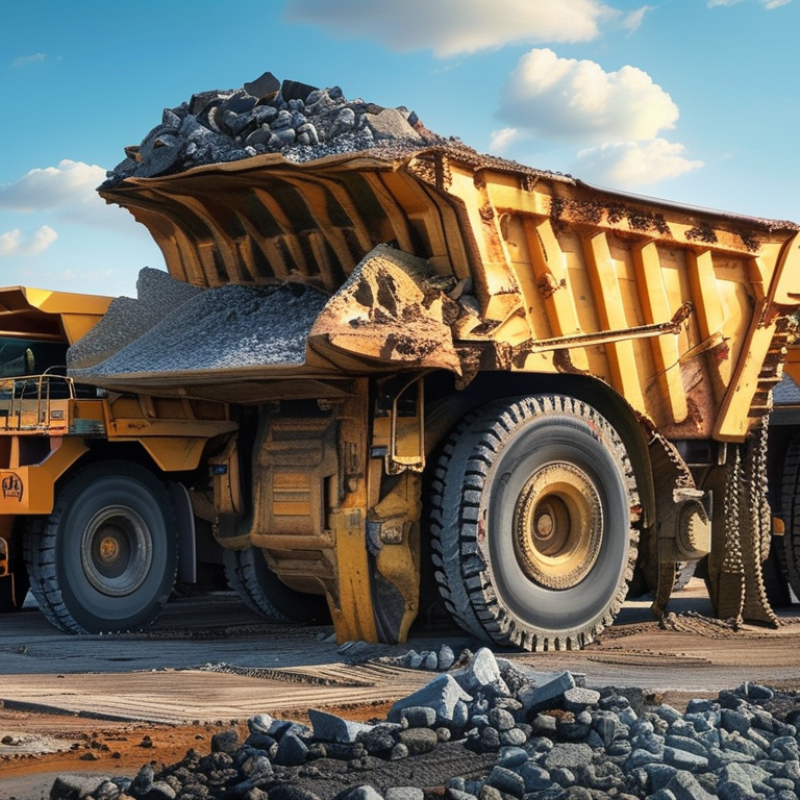
Mining dump trucks play a crucial role in the mining industry. They are designed to transport heavy loads of materials, such as rocks and minerals. Understanding their purpose helps in selecting the right model. Each truck varies in size, capacity, and power. Knowing your specific needs can make a significant difference in efficiency.
When it comes to functionality, these trucks are built for durability. They can operate in harsh environments with rough terrains and extreme temperatures. A good understanding of working conditions is essential. Factors like load weight and distance affect performance. It’s worth considering how often you will use the truck and for what types of materials.
Choosing the right mining dump truck isn’t always straightforward. Buyers often overlook maintenance needs or operator training. A truck that works well today might struggle tomorrow if not cared for properly. The best option is to seek expert advice and gather opinions from experienced operators. This can lead to informed decisions that ultimately enhance productivity and safety in mining operations.
This chart compares the payload capacities of various mining dump trucks, helping you understand which truck may best suit your operational needs based on its carrying capacity.
Choosing the right mining dump truck requires careful consideration of various factors. Load capacity is crucial. A truck's capacity is often categorized by tons. Many reports indicate that trucks with capacities ranging from 40 to 80 tons are preferred for heavy mining tasks. This range balances power and maneuverability, making them versatile choices in the field.
Engine performance plays a vital role as well. A powerful engine ensures that the truck can handle steep terrains and heavy loads. Modern trucks often feature turbocharged engines that enhance fuel efficiency while maximizing torque. According to industry data, trucks with an engine output of at least 400 horsepower are optimal for rough mining conditions.
Another factor is the truck’s design for operator comfort and safety. Features like ergonomic seating and advanced braking systems can greatly reduce fatigue and improve safety in hazardous environments. Studies show that operators who work in comfortable settings are 20% more productive. While these considerations are essential, always revisit your choices. The mining landscape evolves, and reflecting on your equipment's performance is necessary for long-term success.
When selecting a mining dump truck, it's crucial to understand the different types available. Mining dump trucks can be classified into two main categories: rigid and articulated. Rigid trucks provide stability and higher payload capacity, ideal for flat terrains. They excel in heavy-duty tasks. Conversely, articulated trucks offer greater maneuverability. Their flexibility allows them to navigate tighter spaces and uneven terrains effectively.
Each type has its advantages and drawbacks. Rigid trucks can struggle on steep slopes, limiting their usefulness in certain mines. Articulated trucks, while versatile, typically have lower load capacities. Depending on your site conditions, one may be better suited for your operations than the other. Assessing factors like load size, terrain type, and expected lifespan is essential.
The choice isn't always clear-cut. Sometimes, a mixture of both types may serve your needs best. For example, using rigid trucks for heavy hauling and articulated for delicate maneuvers might maximize efficiency. Understanding these subtleties can enhance your mining operation, saving time and costs in the long run.
When selecting a mining dump truck, understanding load specifications and truck capacity is crucial. Mining dump trucks come in various sizes, each designed for specific applications. Research indicates that larger trucks, with a capacity exceeding 200 tons, are becoming more common in large-scale operations due to their efficiency in transporting bulk materials. However, these trucks require extensive maintenance and can have high operational costs.
It's important to assess the specific needs of your mining operation. For instance, if your site has narrow haul roads or steep gradients, a smaller truck might be more effective despite its lower capacity. Studies show that trucks with a payload capacity between 45 to 90 tons work best in constricted environments. These trucks also provide flexibility and can reduce fuel consumption, making them a cost-effective solution in the long term.
Analyzing the loading capacity of your trucks helps in operational planning. Overloading can lead to equipment breakdown and safety hazards. According to industry surveys, around 30% of mining accidents are linked to equipment failures due to improper load management. Ensuring your truck's specifications align with your operational demands is essential for maximizing productivity and maintaining safety standards in your mining operations.
| Truck Model | Payload Capacity (tons) | Volume Capacity (m³) | Engine Power (HP) | Fuel Type | Operational Weight (tons) |
|---|---|---|---|---|---|
| Model A | 40 | 22 | 500 | Diesel | 55 |
| Model B | 60 | 30 | 800 | Diesel | 65 |
| Model C | 50 | 28 | 700 | Diesel | 60 |
| Model D | 70 | 35 | 900 | Diesel | 70 |
When selecting a mining dump truck, understanding maintenance and operating costs is crucial. According to a recent study by the Mining Industry Association, maintenance can account for 30% of a truck’s total lifecycle costs. This emphasizes the importance of choosing a truck designed for durability and ease of service. Simple maintenance routines can greatly reduce downtime.
Operating costs must also be taken into account. The average fuel consumption of heavy-duty mining dump trucks ranges from 4 to 7 gallons per hour, depending on the load. Assessing fuel efficiency is vital for long-term savings, especially given rising fuel prices. Meanwhile, operators often overlook the impact of tire wear and replacement costs, which can be significant. Some reports suggest that tires alone can cost upwards of $50,000 annually for larger trucks.
Additionally, consider the availability of parts and service support in your region. A reliable supply chain can mitigate potential delays. However, some mining sites report extended waits for parts, leading to costly downtime. Each of these factors plays a key role in the overall cost statement of your mining operation. Careful selection based on these criteria can lead to more sustainable operational performance.
: Load capacity is crucial. Trucks commonly range from 40 to 80 tons for heavy mining tasks.
A powerful engine is vital for handling steep terrains and heavy loads efficiently.
An engine output of at least 400 horsepower is ideal for rough mining conditions.
Comfortable settings improve productivity by 20%. Ergonomic seating can help reduce fatigue.
Smaller trucks may be more effective in narrow haul roads despite lower capacities.
Understanding load specifications and specific operational needs is essential for successful operations.
Overloading can lead to equipment breakdowns. Approximately 30% of mining accidents stem from this issue.
Not always. Larger trucks can have high maintenance costs and may not suit all sites.
Smaller trucks provide flexibility and can reduce fuel consumption, making them a long-term cost-effective solution.
Yes. Reflecting on equipment performance helps adapt to evolving mining landscapes.
Choosing the right Mining Dump Truck is crucial for efficient operation in mining environments. These trucks are specifically designed to transport large amounts of material, and understanding their purpose is the first step in making the best choice. Key factors to consider include the truck's load capacity, maneuverability in rugged terrains, and specific operational needs.
When comparing different types of Mining Dump Trucks, it is important to evaluate their capacity alongside load specifications to ensure they meet the demands of your mining operations. Additionally, maintenance and operating costs are vital considerations, as they can significantly affect the overall efficiency and profitability of your project. By carefully assessing these aspects, you can select a Mining Dump Truck that optimally fits your requirements.
