
Choosing the right Super Dump Truck is not simply a matter of comparing payload figures. Global buyers must examine terrain, haul distance, road access, climate, fuel quality, and local service support. A truck that performs well on a wide Canadian site may struggle on narrow roads or steep quarry routes elsewhere.
Construction-equipment historian Keith Haddock has described dump trucks as “the workhorses of the construction site.” That practical view still matters. These machines carry the project’s daily rhythm. Their engines pull through mud, their hydraulic systems lift heavy bodies, and their frames absorb repeated impacts. Small differences become expensive over time.
This guide reviews seven Super Dump Truck options for international buyers. It considers payload, maneuverability, fuel efficiency, operator visibility, maintenance access, safety systems, and dealer coverage. It also examines less obvious details, such as tire availability and hydraulic response in cold weather.
No ranking is perfect.
Specifications can look impressive on paper. Real performance depends on the jobsite, operator skill, maintenance discipline, and load conditions. Some models offer greater power but consume more fuel. Others provide strong efficiency but may lack nearby technical support. That trade-off deserves honest attention.
Buyers should verify regional certifications, warranty terms, spare-parts access, and total operating cost before signing an order. A Super Dump Truck is a long-term production tool, not merely a large vehicle. The best choice may not be the biggest one. It may be the machine that keeps moving after rain, dust, and ordinary wear expose every weakness.
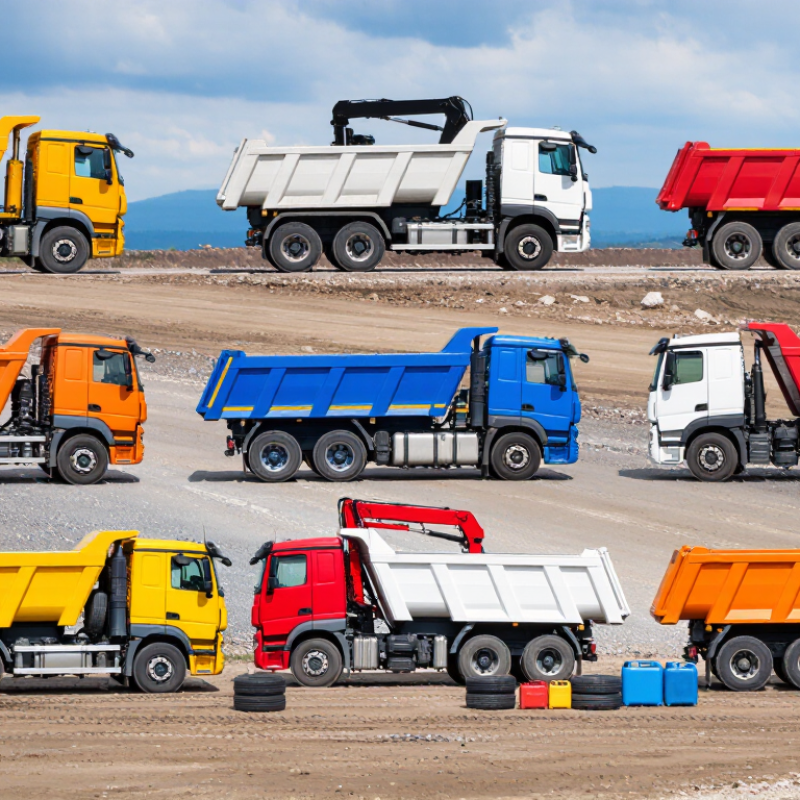
7 Best Super Dump Trucks for Global Buyers?
Defining Super Dump Trucks: 26–32 t Payload and 80,000 lb GVWR
A super dump truck usually targets a payload of 26–32 metric tonnes. Its GVWR can reach 80,000 pounds, or about 36.3 metric tonnes. GVWR includes the truck, dump body, fuel, operator, equipment, and cargo. It is not the payload alone.
This distinction matters on real job sites. A steel body may add several tonnes before loading begins. A larger engine can improve hill performance, but it may reduce available cargo capacity. Buyers should verify certified axle ratings, body volume, tire limits, and suspension design. Local road rules also change the practical payload, even when the chassis appears capable.
On gravel roads, traction and ground clearance often matter more than brochure figures. A 26-ton payload can become risky on steep, wet haul routes without suitable tires and weight distribution. I would inspect frame welds, hydraulic cylinders, tailgate alignment, and brake condition before purchase. Small defects become expensive under repeated loading.
The “best” model depends on material density, haul distance, climate, and maintenance access. Quarry stone loads differently from demolition debris. That sounds obvious, yet buyers still compare trucks using payload alone. A careful trial with actual material is worth more than a polished specification sheet.
It usually carries 26–32 metric tonnes of payload. Its GVWR may reach 80,000 pounds. GVWR includes the truck, fuel, operator, equipment, and cargo. Payload is not the same as GVWR. This distinction matters.
The practical payload depends on axle ratings, tire limits, suspension design, and local road rules. A truck may appear capable but still face lower legal limits. Confirm certified weights before loading. Brochure numbers can mislead.
A 6×4 can suit urban aggregate work and smaller bodies. An 8×4 usually offers higher volume and better axle distribution. Larger bodies may reach 25–35 cubic meters. The best choice depends on terrain, material, and route limits.
Around 400–500 horsepower may suit ordinary routes. Near 600 horsepower helps on steep quarry roads and mixed terrain. Lower power can reduce fuel use on flatter routes. More power does not automatically create more profit.
No. Payload limits still control useful revenue. Wet clay can fill a body quickly and overload the axles. Quarry stone and demolition debris also load differently. Weigh actual materials during a site trial.
Inspect frame welds, hydraulic cylinders, tailgate alignment, tires, suspension, and brakes. Look underneath for cracks, leaks, and uneven wear. Request certified axle records and brake-test results. Small faults become costly under repeated loading.
Check stability control, emergency braking, reversing alarms, and blind-zone cameras. Verify cab strength and braking performance against local requirements. Electronic aids may fail in mud or heavy rain. Human checks still matter.
Steep, wet haul roads require suitable tires, traction, ground clearance, and balanced loading. A 26-tonne payload may become unsafe in poor conditions. Flat roads may favor fuel efficiency. My advice is not perfect; local testing remains essential.
A Super Dump Truck is designed for demanding construction, mining, and infrastructure work, typically offering a payload of 26–32 tonnes and an approximate gross vehicle weight rating of 80,000 lb. This guide compares seven global configurations, focusing on 6×4 and 8×4 drivetrains, engine outputs between 400 and 600 hp, body volume, maneuverability, and operating efficiency. European heavy-duty models are assessed within common 40–44 tonne gross-weight frameworks, with attention to braking, stability, visibility, emissions, and workplace safety. North American-style super dumps are reviewed for their 80,000 lb GVWR, trailing-axle arrangements, weight distribution, and legally permitted payload.
For global buyers, the best choice depends on more than power and capacity. Fuel economy, expected five-year total cost of ownership, service accessibility, parts availability, uptime support, operator comfort, and local road regulations should all be evaluated. A well-matched truck can improve hauling productivity while reducing maintenance interruptions and long-term operating expenses.
