
Choosing the 2026 best Attp Truck Parts requires more than comparing prices or attractive product photos. Truck owners need dependable components that perform under heat, vibration, heavy loads, and long working hours. A reliable part should match the truck’s make, model, engine system, and operating conditions. Small differences matter. A filter, brake component, suspension part, or electrical item can affect safety, fuel efficiency, and maintenance costs.
This article outline examines Attp Truck Parts through practical performance, material quality, fitment accuracy, supplier support, and warranty coverage. It also considers feedback from mechanics, fleet managers, and experienced drivers. Their daily observations often reveal problems that laboratory descriptions miss. A part may look strong but fail after repeated exposure to dust, water, or rough roads. Real conditions test everything.
No shortlist is perfect.
The 2026 market may include improved designs, but newer does not always mean better. Some products offer useful upgrades, while others create compatibility concerns or complicated installation requirements. Careful verification remains essential. Buyers should check technical specifications, certification information, return policies, and trusted reviews before making a decision. Professional installation can also prevent avoidable damage.
The following sections will compare leading options and explain where each part may fit best. They will highlight practical strengths, possible weaknesses, and warning signs. Honest evaluation matters more than exaggerated claims. A strong truck part should support safe operation, predictable maintenance, and long-term value.
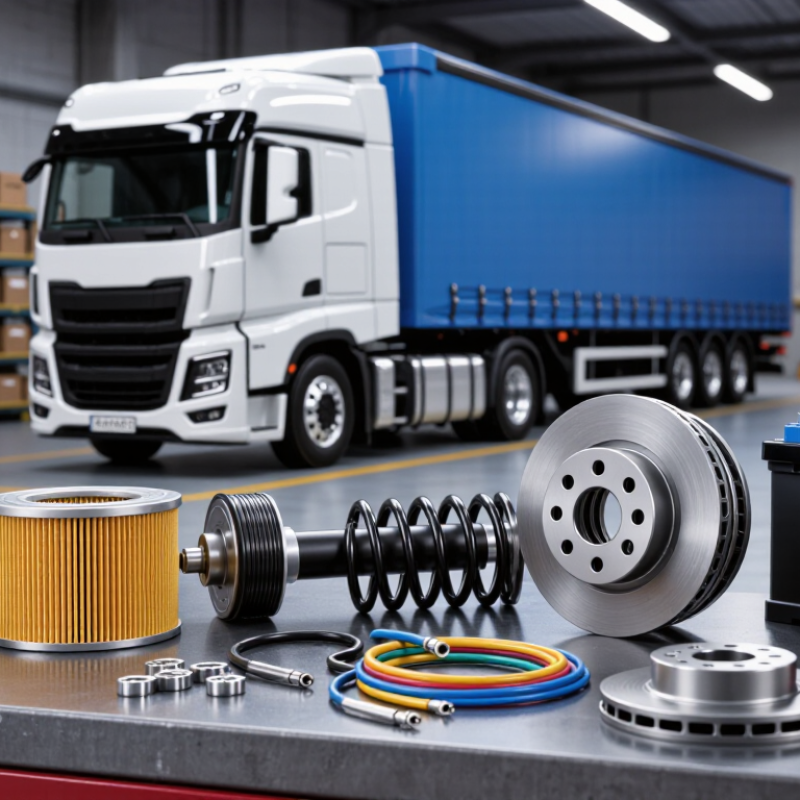
What Are the 2026 Best ATTP Truck Parts?
Understanding ATTP Truck Parts and Their Main Applications
ATTP truck parts are replacement and upgrade components designed for demanding commercial vehicles. They support braking, suspension, steering, engine cooling, and load management. In real workshop conditions, the best part is not always the most expensive one. It must match the truck’s model, axle rating, operating environment, and maintenance history. A brake component for urban deliveries may differ from one used on steep construction routes. Check dimensions carefully. Confirm material specifications and temperature ratings before installation.
Common applications include brake pads, wheel hubs, suspension bushings, air filters, belts, lighting units, and electrical sensors. Fleet technicians often inspect these parts during scheduled servicing, not only after a failure. That practice reduces unexpected downtime. I have found that small fitment errors can cause vibration, uneven tire wear, or repeated repairs. It is easy to overlook connector quality or seal thickness. That deserves more attention. Reliable selection also requires traceable product information, clear installation instructions, and consistent quality testing. Parts should be checked against technical records and professional advice when compatibility is uncertain. Even experienced mechanics occasionally choose a component by appearance alone. That shortcut can be costly. In 2026, practical value will likely depend on durability, accurate fit, service access, and evidence from actual operating conditions. Availability matters too, especially for vehicles working far from major repair centers.
| Part Category | Main Function | Common Applications | Preferred Materials or Construction | Typical Replacement Indicators | Key Selection Criteria for 2026 |
|---|---|---|---|---|---|
| Brake Pads and Linings | Convert kinetic energy into heat and slow or stop the vehicle. | Heavy-duty trucks, trailers, buses, and vocational vehicles operating on highways or in urban traffic. | Application-specific friction material bonded or riveted to a backing plate or shoe. | Reduced lining thickness, uneven wear, cracking, overheating, noise, or longer stopping distance. | Correct axle and brake-system compatibility, stable friction performance, heat resistance, and regulatory compliance. |
| Brake Rotors and Drums | Provide the friction surface for disc or drum braking systems and dissipate heat. | Steer axles, drive axles, trailer axles, and other commercial vehicle braking positions. | Heat-resistant cast iron with accurate machining and appropriate corrosion protection. | Deep scoring, cracks, excessive thickness loss, out-of-round drums, or severe heat spotting. | Measured dimensions, load rating, heat management, surface finish, and correct fitment. |
| Air Brake Compressors and Components | Generate and control compressed air used by braking and pneumatic systems. | Air brakes, suspension controls, air-operated accessories, and trailer systems. | Precision-machined housings, wear-resistant internal components, and heat-resistant seals. | Slow pressure build-up, excessive oil carryover, air leaks, unusual noise, or low system pressure. | Correct pressure output, mounting configuration, lubricant compatibility, sealing quality, and serviceability. |
| Air and Fuel Filters | Remove contaminants from intake air, fuel, and pneumatic circuits. | Diesel engines, fuel systems, air-brake systems, and dusty or high-mileage operating environments. | Pleated synthetic or cellulose media, sealed end caps, and durable filter housings. | Restricted airflow, reduced fuel flow, increased consumption, warning indicators, or visible contamination. | Filtration efficiency, dirt-holding capacity, pressure drop, sealing accuracy, and maintenance interval. |
| Oil Filters | Capture particles and contaminants from engine lubrication oil. | Diesel engines used in long-haul, construction, agricultural, and delivery operations. | High-strength steel canister, pleated filter media, anti-drainback valve, and pressure-relief valve where required. | Scheduled service interval reached, damaged housing, oil bypass concerns, or abnormal oil contamination. | Correct micron performance, flow capacity, pressure rating, gasket quality, and engine-specific fit. |
| Radiators and Cooling Components | Transfer engine heat to coolant and maintain operating temperature. | Heavy-duty diesel trucks, off-road vehicles, emergency vehicles, and high-load applications. | Aluminum or copper-brass cores with durable tanks, tubes, fins, and vibration-resistant joints. | Coolant leaks, overheating, blocked fins, corrosion, damaged tubes, or repeated coolant loss. | Heat-transfer capacity, core dimensions, corrosion resistance, pressure testing, and compatibility with coolant type. |
| Water Pumps and Thermostats | Circulate coolant and regulate engine operating temperature. | Engine cooling systems in highway trucks, refuse vehicles, buses, and vocational equipment. | Corrosion-resistant impellers, precision bearings, durable seals, and calibrated thermostatic elements. | Coolant leakage, bearing noise, overheating, temperature fluctuation, or poor cabin heat. | Flow rate, temperature rating, seal durability, gasket fit, and compatibility with the cooling circuit. |
| Clutch Kits and Release Bearings | Engage and disengage engine power from a manual transmission. | Manual-transmission trucks, heavy towing, delivery fleets, and construction vehicles. | High-strength pressure plates, wear-resistant friction linings, springs, and sealed bearings. | Clutch slip, shudder, difficult gear engagement, abnormal release noise, or excessive pedal effort. | Torque capacity, flywheel compatibility, driven-plate dimensions, release mechanism, and duty cycle. |
| Suspension Bushings and Air Springs | Support vehicle weight, reduce vibration, and maintain ride height and axle alignment. | Tractor-trailers, buses, delivery trucks, and vehicles carrying variable loads. | Heavy-duty elastomers, reinforced rubber, engineered polymer compounds, and corrosion-resistant hardware. | Cracking, deformation, air leakage, uneven ride height, abnormal tire wear, or excessive vibration. | Load capacity, ride-height specification, environmental resistance, alignment requirements, and installation accuracy. |
| Steering and Tie-Rod Components | Transmit steering input and maintain accurate wheel control. | Front axles of highway trucks, buses, refuse vehicles, and heavy vocational vehicles. | Forged steel components, hardened studs, durable ball-and-socket joints, and protective boots. | Excessive play, wandering, uneven tire wear, loose joints, damaged boots, or steering vibration. | Axle compatibility, load rating, joint tolerance, corrosion protection, and post-installation alignment. |
| Wheel Hubs and Bearings | Support wheel rotation and transfer vehicle loads through the axle assembly. | Steer, drive, and trailer axles subject to high radial and axial loads. | Heat-treated bearing steel, precision races, sealed assemblies, and accurately machined hubs. | Grinding noise, excessive end play, overheating, grease leakage, or uneven hub temperature. | Rated load, dimensional accuracy, preload or end-play specification, seal quality, and lubrication requirements. |
| Electrical and Lighting Components | Supply, control, and distribute electrical power and visibility signals. | Starting systems, charging systems, trailer lighting, safety lighting, and fleet accessories. | Weather-resistant connectors, insulated wiring, durable housings, and vibration-resistant terminals. | Dim or failed lamps, intermittent connections, charging problems, blown fuses, or corroded terminals. | Voltage and current rating, connector configuration, environmental sealing, vibration resistance, and legal lighting requirements. |
Selection note: The correct ATTP truck part should be verified against the vehicle identification number, axle or engine specification, operating conditions, load profile, and applicable safety requirements before installation.
Match the part to the truck model, axle rating, operating temperature, and duty cycle. Check dimensions and load ratings carefully. Appearance is not enough.
Common items include brake pads, rotors, wheel hubs, suspension bushings, belts, filters, lights, and sensors. Inspect them during scheduled service. Do not wait for failure.
Consider axle loads, road surfaces, and towing demands. Check control-arm welds, bushing pressure, mounting holes, and corrosion protection. Small gaps can cause steering problems.
Rotors should resist heat distortion during repeated braking. Pads need stable friction in wet, dusty, and hot conditions. Calipers and fluid also require inspection. One new part cannot fix every problem.
Inspect tie rods, drag links, ball joints, fittings, and protective boots. Use the specified torque settings. Complete a professional wheel alignment afterward. Recheck tire wear.
Look for clean machining, even coatings, undamaged threads, and secure seals. Check electronic connectors and hydraulic pressure compatibility. Do not force a part into position.
Record mileage, inspection dates, unusual noise, vibration, and uneven wear. These details reveal gradual problems. Paperwork feels dull, but it helps.
Yes. Rough roads, heavy dust, frequent braking, and high loads can accelerate wear. Inspect critical components more often. Clean exposed surfaces and lubricate only where specified.
Review compatibility, installation methods, operating loads, and maintenance intervals. Check for corrosion behind seals or one-sided wear. Replacing the same part blindly may miss the real cause.
Attp Truck Parts are essential components designed to support the performance, safety, and durability of heavy-duty trucks in demanding working conditions. This guide explains their main applications, from engine and drivetrain systems to suspension, braking, and steering assemblies. It also outlines the key factors to consider when evaluating parts in 2026, including material quality, dimensional accuracy, load capacity, heat resistance, compatibility, and expected service life. Selecting dependable components can help improve vehicle efficiency, handling, and reliability while reducing unexpected downtime.
The article also highlights important engine and drivetrain parts, along with suspension, brake, and steering components that contribute to stable and safe truck operation. To achieve long-term value, buyers should match each part to the vehicle’s specifications, operating environment, and maintenance requirements. Regular inspections, proper installation, timely lubrication, and replacement of worn components are equally important. With careful selection and consistent maintenance, Attp Truck Parts can support dependable performance and extend the service life of heavy-duty vehicles.
